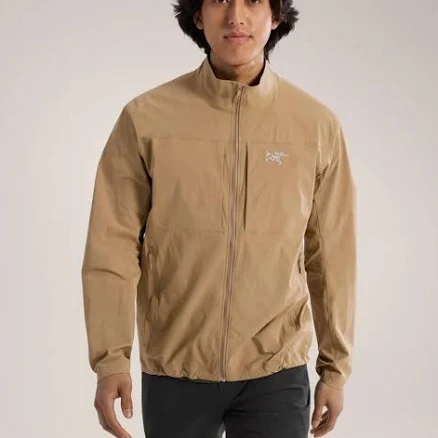
Arc'teryx Gamma Lightweight Jacket Men's
Avoid or contact Arc'teryx directly, PFAS status in water-repellent coating finish is undisclosed.
Arc'teryx's nylon shell includes a water-repellent finish, but the brand makes no public statement on whether it contains PFAS. No PFAS-free claim or third-party verification exists.
Still want this one anyway? Check the price on Amazon. We’d swap it.
Material
Nylon with water-repellent coating (water-repellent coating) treatment
Lab data
No public lab test
You may also be interested in
Top-graded picks in the categories readers replace first, every one scored on the same rubric.

- polypropylene filter housing, carbon/sediment cartridge
- We found no PFAS statement from the brand
- Bacterial growth in spent cartridges
3 hazards checked on this product, all on its full breakdown.

Aquasure
Premier Series 75 GPD Under Sink Reverse Osmosis Water Filtration System
- RO membrane, carbon filters, stainless steel housing
- We found no PFAS statement from the brand
- Bacterial and microbial growth in housing and filters
4 hazards checked on this product, all on its full breakdown.

Avocado
Vegan Mattress
- organic cotton, natural latex, coconut coir, recycled steel coils
- The brand calls it PFAS-free, which we have not verified
- Heavy metals
2 hazards checked on this product, all on its full breakdown.
What Arc'teryx Gamma Lightweight Jacket Men's is made of, ingredients and materials
The Gamma Lightweight uses nylon as its primary fabric with a water-repellent coating (water-repellent coating) topical treatment. Nylon itself is a stable synthetic polymer with low inherent toxicity in finished garments, but the water-repellent coating finish is the critical variable, many commercial water-repellent coating treatments historically relied on long-chain PFAS (perfluorocarbons) for water and oil repellency, though the industry has begun shifting to shorter-chain or fluorine-free alternatives. Arc'teryx has not publicly disclosed whether this jacket's water-repellent coating uses legacy PFAS, newer fluorine-free compounds, or a proprietary blend, making the chemical profile uncertain.
What’s concerning
Category baseline
The starting point for this type of product, before anything specific to this product is counted.
No PFAS disclosure
No public statement from the brand about PFAS in this product.
Waterproof / stain-resistant treatment
Water-repellent coating treatments have historically used PFAS.
PFAS
Arc'teryx's water-repellent coating treatment chemistry is undisclosed. Legacy nylon water-repellent coating formulations commonly contained long-chain PFAS; whether this product uses such formulations, newer alternatives, or PFAS-free chemistry cannot be determined from public information.
Source, ATSDR ↗water-repellent coating degradation and microfiber shedding
Repeated washing and reapplication of water-repellent coating treatments can accelerate nylon fiber breakdown and microfiber release into wash water. No product-specific data exists, but this is a general concern for all synthetic softshells with topical hydrophobic coatings.
What’s reassuring
Formaldehyde / VOCs
Nylon fabrics can be finished with formaldehyde-based resins for wrinkle resistance or dimensional stability. No formaldehyde contamination has been reported for Arc'teryx softshells; modern finishes typically use lower-formaldehyde or non-formaldehyde processes in premium brands.
Source, ATSDR ↗Heavy metals
Premium outdoor brands typically use restricted azo dyes and comply with REACH chemical limits. No heavy metal or carcinogenic dye issues have been documented for Arc'teryx garments in public safety databases.
Source, FDA ↗Antimony in polyester blends
This jacket is primarily nylon, not polyester, so antimony catalyst residue is not a relevant concern. If any polyester-blend variants exist, antimony levels would depend on dye-bath chemistry, which Arc'teryx does not publicly disclose.
How is this PFAS grade calculated?
The brand's record and disclosure
Arc'teryx is owned by Salomon (part of Amer Sports) and maintains a reputation for high-performance outdoor gear with attention to durability and materials. However, the company has not issued a public PFAS commitment or chemical disclosure policy comparable to brands like Patagonia or The North Face, which have pledged to eliminate long-chain PFAS from their supply chains. No recalls, formaldehyde resin issues, or heavy metal contamination have been reported for Arc'teryx softshells in public records. Direct contact with the brand remains the most reliable way to clarify water-repellent coating chemistry for this specific product line.
How it compares in its category
Nylon softshells are standard across premium outdoor brands (including competitors like Patagonia, The North Face, and Salewa) and offer excellent abrasion resistance and breathability. Arc'teryx's construction quality and seam design typically exceed mass-market equivalents, reducing premature degradation. The critical differentiator in this category is now water-repellent coating transparency, competitors increasingly publish PFAS elimination timelines or certifications (e.g., BLUESIGN), whereas Arc'teryx remains opaque on this front, making direct comparison difficult without brand contact.
If you buy it
Wash only with mild soap and water; avoid hot water or high heat (dryers above 130F) as excessive heat can degrade both nylon and water-repellent coating finishes. Do not dry clean, as solvents can strip or alter the water-repellent layer. Re-treat with water-repellent coating products every 1-2 years depending on use frequency; each retreatment introduces new chemical exposure, so choose fluorine-free or low-PFAS commercial products if possible. Inspect seams and high-stress areas annually for pilling or coating damage, which signals the need to retire the jacket.
What is not known about PFAS in this product?
- Basis
- Model estimate, 45% confidence, not a lab result
- Lab test
- None on record for this exact product
- Brand statement
- Arc'teryx has made a specific claim
Formulations change between production runs, so check the current label. How we grade.
What are the PFAS-free alternatives to Arc'teryx Gamma Lightweight Jacket Men's?
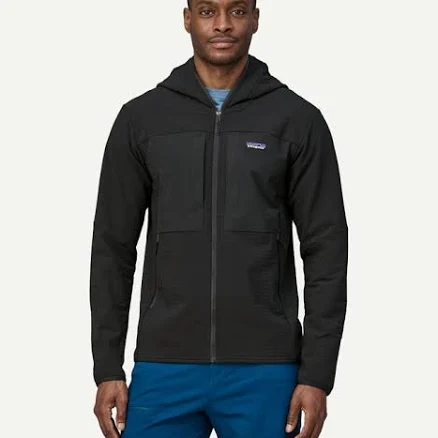
- Polyester shell with water-repellent coating treatment
- The brand calls it PFAS-free, which we have not verified
- PFAS
3 hazards checked on this product, all on its full breakdown.
Find an alternative on Amazon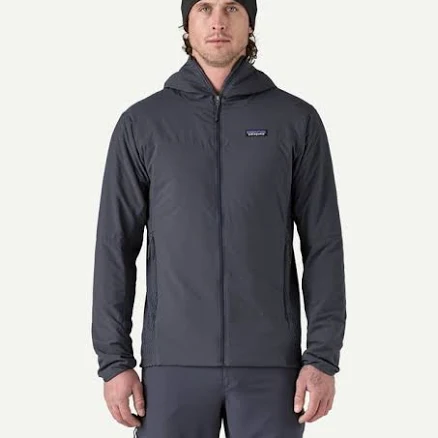
- Polyester ripstop with water-repellent coating finish (nylon stretch side)
- The brand calls it PFAS-free, which we have not verified
- water-repellent coating chemistry (unidentified)
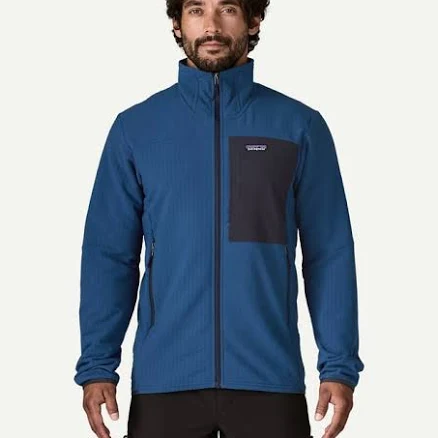
- Polyester with water-repellent coating (water-repellent coating) treatment
- The brand calls it PFAS-free, which we have not verified
- water-repellent coating chemistry, unspecified fluorocarbon alternative
3 hazards checked on this product, all on its full breakdown.
Find an alternative on AmazonMore softshell jackets grades
How we score, every product runs through the same public 0-100 rubric based on materials, coatings, brand disclosure, lab findings, and recalls. See the full methodology → Spotted a mistake? Report an error.