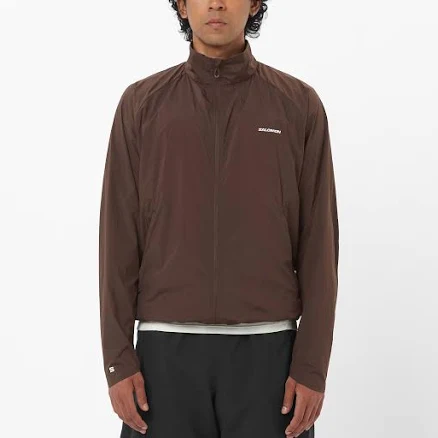
Salomon Men's Shkout Fly Windbreaker
Avoid until Salomon discloses water-repellent coating chemistry, windbreakers typically use PFAS.
The polyester shell includes a water-repellent treatment likely based on fluorocarbon chemistry, but Salomon makes no public disclosure of whether the water-repellent coating is PFAS-free. Most windbreakers in this category still use legacy PFAS.
Still want this one anyway? Check the price on Amazon. We’d swap it.
Material
Polyester shell with water-repellent coating (water-repellent coating) finish, likely fluorocarbon-based
Lab data
No public lab test
You may also be interested in
Top-graded picks in the categories readers replace first, every one scored on the same rubric.

- polypropylene filter housing, carbon/sediment cartridge
- We found no PFAS statement from the brand
- Bacterial growth in spent cartridges
3 hazards checked on this product, all on its full breakdown.

Aquasure
Premier Series 75 GPD Under Sink Reverse Osmosis Water Filtration System
- RO membrane, carbon filters, stainless steel housing
- We found no PFAS statement from the brand
- Bacterial and microbial growth in housing and filters
4 hazards checked on this product, all on its full breakdown.

Avocado
Vegan Mattress
- organic cotton, natural latex, coconut coir, recycled steel coils
- The brand calls it PFAS-free, which we have not verified
- Heavy metals
2 hazards checked on this product, all on its full breakdown.
What Salomon Men's Shkout Fly Windbreaker is made of, ingredients and materials
The Shkout Fly uses a polyester shell with a water-repellent coating (water-repellent coating) finish. water-repellent coating coatings in this product class are historically fluorocarbon-based (PFAS), though Salomon has not publicly specified the chemistry of this jacket. Polyester itself is stable under normal wear; the chemical risk lies entirely in the water-repellent coating treatment and any dyes or finishes applied during manufacturing.
What’s concerning
Category baseline
The starting point for this type of product, before anything specific to this product is counted.
No PFAS disclosure
No public statement from the brand about PFAS in this product.
Waterproof / stain-resistant treatment
Water-repellent coating treatments have historically used PFAS.
PFAS
Polyester softshell jackets at this tier almost universally use fluorocarbon water-repellent coating unless explicitly labeled otherwise. Salomon's non-disclosure and lack of public commitment make PFAS presence probable, though not lab-confirmed for this specific SKU.
Source, ATSDR ↗Formaldehyde / VOCs
Synthetic finishes and wrinkle-resistance treatments may contain formaldehyde releasers. Salomon does not publish finish specifications. Exposure during wear is minimal; washing reduces residual formaldehyde.
Source, ATSDR ↗VOC off-gassing from finishes
New polyester garments may release volatile organic compounds (VOCs) from water-repellent coating and dyes, particularly when stored warm. Airing the jacket outdoors for 24 to 48 hours before first wear reduces exposure.
What’s reassuring
Azo dyes in polyester
Polyester textiles can be dyed with azo compounds, some of which are restricted under OEKO-TEX and EU regulations. No specific recalls or concerns are on record for Salomon apparel, and the brand does not disclose dye chemistry.
Antimony in polyester
Antimony trioxide is a common polyester catalyst; modern manufacturing limits leaching. No health incidents or recalls specific to Salomon outerwear suggest this is not a practical concern in this product.
How is this PFAS grade calculated?
The brand's record and disclosure
Salomon has not published a public commitment to PFAS-free water-repellent coating or disclosed the specific water-repellent chemistry used in their apparel lines. The brand is owned by Amer Sports, which has made limited commitments on fluorochemical phase-out compared to some competitors (e.g., Patagonia, Arc'teryx). No major recalls or public hazard disclosures are on record for this specific model.
How it compares in its category
Most mainstream softshell windbreakers in this price and performance range use fluorocarbon water-repellent coating. Competitors offering verified PFAS-free or explicitly low-fluorine alternatives include some Patagonia models and a subset of Arc'teryx jackets. Salomon's silence on water-repellent coating chemistry is typical of the broader outdoor apparel industry but increasingly seen as a gap relative to brands with public commitments.
If you buy it
Launder infrequently; machine washing degrades water-repellent coating but does not significantly increase PFAS leaching into skin. Avoid high heat (tumble dry low or air dry). If you prioritize avoiding potential PFAS exposure, request Salomon's water-repellent coating certification or choose a brand with transparent fluorine-free claims. Jacket durability under normal use is not compromised by the chemical composition; the concern is environmental and systemic rather than acute use-phase risk.
What is not known about PFAS in this product?
- Basis
- Model estimate, 45% confidence, not a lab result
- Lab test
- None on record for this exact product
- Brand statement
- Salomon has made a specific claim
Formulations change between production runs, so check the current label. How we grade.
What are the PFAS-free alternatives to Salomon Men's Shkout Fly Windbreaker?
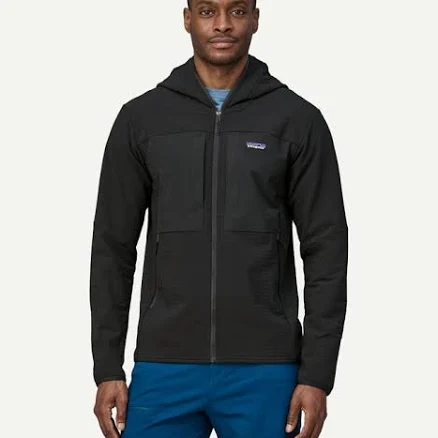
- Polyester shell with water-repellent coating treatment
- The brand calls it PFAS-free, which we have not verified
- PFAS
3 hazards checked on this product, all on its full breakdown.
Find an alternative on Amazon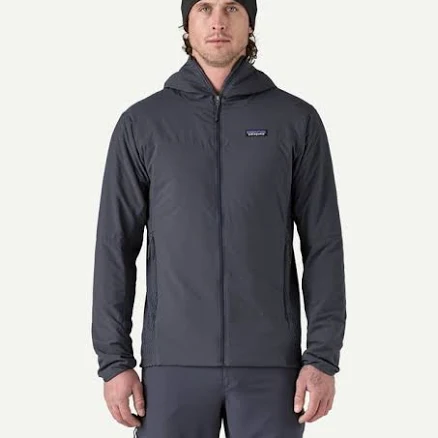
- Polyester ripstop with water-repellent coating finish (nylon stretch side)
- The brand calls it PFAS-free, which we have not verified
- water-repellent coating chemistry (unidentified)
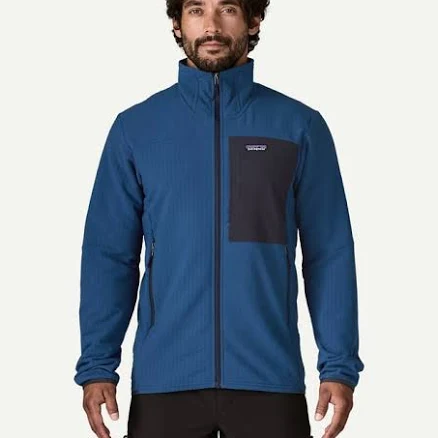
- Polyester with water-repellent coating (water-repellent coating) treatment
- The brand calls it PFAS-free, which we have not verified
- water-repellent coating chemistry, unspecified fluorocarbon alternative
3 hazards checked on this product, all on its full breakdown.
Find an alternative on AmazonMore softshell jackets grades
How we score, every product runs through the same public 0-100 rubric based on materials, coatings, brand disclosure, lab findings, and recalls. See the full methodology → Spotted a mistake? Report an error.