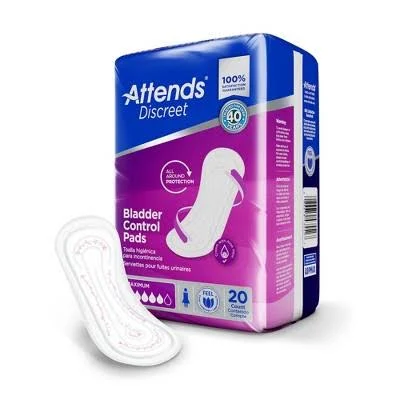
Attends · Incontinence Pads & Protection
Attends Discreet Maximum Bladder Control Pad
Waterproof source unclear; avoid until PFAS-free status confirmed.
Attends offers no information about what keeps this pad waterproof or whether PFAS is involved. Incontinence pad backings frequently use treatments that may contain legacy PFAS.
The better-graded swap
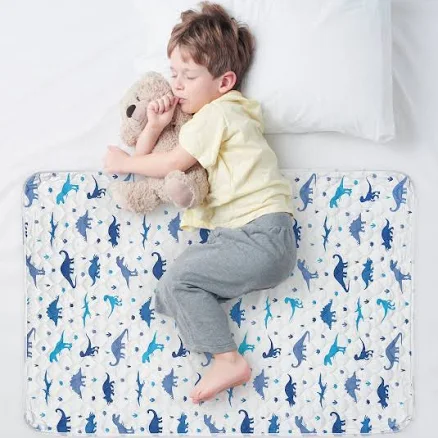
Organic Bamboo Incontinence Pads - White Dinosaur
70/100 safety
Same rubric that flunked this product. The swap earned Good.
Still want this one anyway? Check the price on Amazon. We’d swap it.
Material
nonwoven layers, absorbent core, waterproof backing
Brand disclosure
Brand is silent on PFAS
Lab data
No public lab test
What Attends Discreet Maximum Bladder Control is made of, ingredients and materials
Attends Discreet Maximum uses layers of nonwoven polypropylene, a superabsorbent polymer core (typically sodium polyacrylate), and a waterproof backing to contain liquid. The waterproof layer is the critical unknown, many manufacturers use Teflon-type coating-containing laminates or polyethylene films, some of which incorporate PFAS-based water and oil repellents to improve durability and leakage prevention. The nonwoven and absorbent core materials themselves carry minimal established toxicity risk under normal use, but the backing composition directly determines overall safety.
What’s concerning
Category baseline
The starting point for this type of product, before anything specific to this product is counted.
No PFAS disclosure
No public statement from the brand about PFAS in this product.
Waterproof / stain-resistant treatment
Water-repellent coating treatments have historically used PFAS.
PFAS
Attends has not disclosed the chemistry of the waterproof layer. Many incontinence pad manufacturers use PFAS-based water repellents in polyethylene or polyurethane backings; without testing or certification, exposure to PFAS through prolonged skin contact is a plausible but unconfirmed risk.
Source, ATSDR ↗Bacterial and fungal growth in use
The warm, moist environment under an incontinence pad can foster bacterial and yeast proliferation if pads are not changed frequently. This is a use-condition risk, not a product defect, but poor pad permeability or backing degradation can accelerate maceration and secondary infections.
What’s reassuring
Skin irritation and contact sensitization
No widespread allergic reactions or dermatological complaints specific to Attends Maximum pads are documented. Nonwoven polypropylene is generally hypoallergenic, but adhesives or fragrance (if present) may irritate sensitive skin in a small subset of users.
Sodium polyacrylate absorbent core safety
The superabsorbent polymer core is non-toxic under normal dermal contact and does not leach into skin. No systemic absorption or poisoning cases are recorded for incontinence pad use; the material is also used in diapers for infants without established safety issues.
Heavy metals
No published testing or recalls for lead, cadmium, or azo dye contamination in Attends pads. The nonwoven and core are typically colorless or white, minimizing pigment risk; the waterproof backing may contain minor ink marking but at negligible exposure levels.
Source, FDA ↗The full breakdown
The brand's record and disclosure
Attends (SCA/Essity group) has not publicly disclosed PFAS content or manufacturing standards for incontinence products as of available records. The brand does not advertise third-party certifications (such as OEKO-TEX or Cradle to Cradle) for bladder-control pads. No major recalls or safety controversies specific to this product line are documented, but the silence on waterproofing chemistry is notable given industry-wide PFAS concerns in absorbent hygiene products.
How it compares in its category
Incontinence pads occupy a less-scrutinized segment than menstrual products; fewer brands publish PFAS testing or removal data. Competitors like Always Discreet and Tena also lack transparent PFAS disclosure. Some smaller brands market PFAS-free or plant-based waterproofing, though claims are inconsistently verified. Attends positions itself on affordability and absorbency rather than material transparency, making direct comparison difficult.
If you buy it
Change pads regularly (typically every 3-4 hours) to prevent skin maceration and bacterial overgrowth in the moist environment. Do not heat or expose to direct flame; nonwoven materials have low melting points. Store in a cool, dry place away from moisture to prevent mold on backing. If any rash, irritation, or odor develops, discontinue and consider a PFAS-confirmed alternative before reorder.
What we don’t know
- Basis
- Model estimate, 35% confidence, not a lab result
- Lab test
- None on record for this exact product
- Brand statement
- Attends has made none
Formulations change between production runs, so check the current label. How we grade.
Better-graded alternatives in Incontinence Pads & Protection
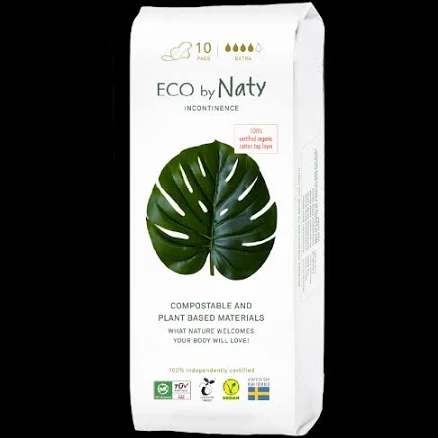
Eco By Naty
Incontinence Pads
- Bamboo-derived viscose, cotton, plant-based absorbent core
- We found no PFAS statement from the brand
- Heavy metals
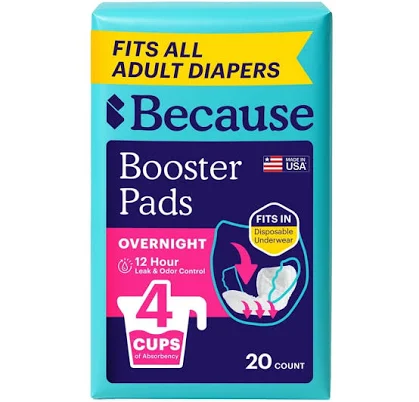
Because Market
Because Booster Pads
- Cellulose, superabsorbent polymer, cotton blend
- We found no PFAS statement from the brand
- Absorbent material degradation and bacterial growth
2 hazards checked on this product. See all of them.
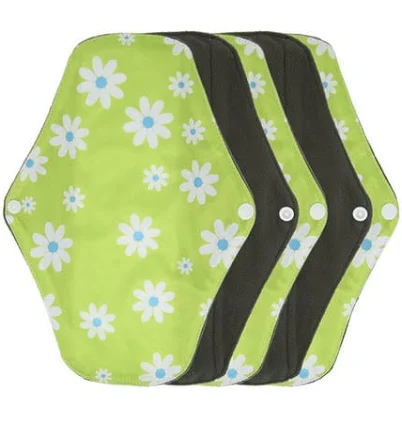
5pcs Bamboo Charcoal Washable Incontinence Pads
- bamboo charcoal textile, washable cotton-blend absorbent layer
- We found no PFAS statement from the brand
- Azo dyes and synthetic colorants
4 hazards checked on this product. See all of them.
More incontinence pads & protection grades
How we score, every product runs through the same public 0-100 rubric based on materials, coatings, brand disclosure, lab findings, and recalls. See the full methodology → Spotted a mistake? Report an error.