Tranquility · Incontinence Pads & Protection
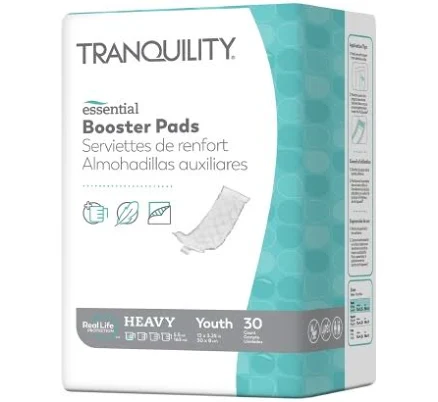
PBE Tranquility Essential Incontinence Booster Pad
Avoid until the brand discloses waterproof treatment composition.
Incontinence pads typically use waterproof backings that may contain PFAS, but BetterCare provides no material transparency. No lab data or certifications exist to assess the actual risk.
The better-graded swap
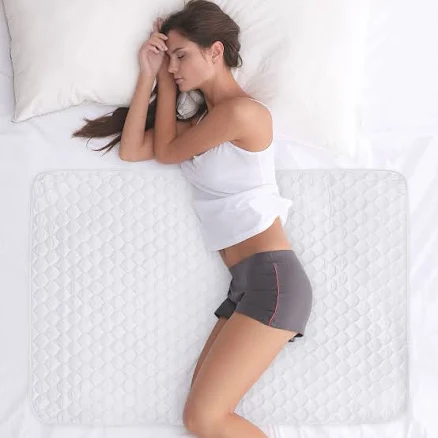
Organic Bamboo Incontinence Pads - White
70/100 safety
Same rubric that flunked this product. The swap earned Good.
Still want this one anyway? Check the price on Amazon. We’d swap it.
Material
Absorbent core with unspecified waterproof backing
Brand disclosure
Brand is silent on PFAS
Lab data
No public lab test
What PBE Tranquility Essential Incontinence is made of, ingredients and materials
This product combines an absorbent core (likely wood pulp, superabsorbent polymer, or blended cellulose) with an unspecified waterproof backing layer. The backing is the critical unknown, modern incontinence products typically use polyurethane, polyethylene, or laminated films, many treated with water-resistant coatings that may contain PFAS or other synthetic compounds. Without material disclosure, you cannot assess leachate risk to skin or chemical off-gassing, especially relevant for a product worn directly against sensitive genital and perianal tissue for extended periods.
What’s concerning
Category baseline
The starting point for this type of product, before anything specific to this product is counted.
No PFAS disclosure
No public statement from the brand about PFAS in this product.
Waterproof / stain-resistant treatment
Water-repellent coating treatments have historically used PFAS.
Waterproof backing leachates and skin irritation
Unspecified backing material may contain polyurethane, polyethylene, or synthetic polymers with residual monomers, plasticizers, or crosslinking agents that can migrate onto skin under moisture and warmth. Genital and perianal skin is highly permeable and prone to contact sensitization.
Formaldehyde / VOCs
Cellulose-based absorbent layers sometimes use formaldehyde-releasing resins (such as urea-formaldehyde) to enhance wet-strength. BetterCare's silent material specification does not exclude this risk.
Source, ATSDR ↗Microplastic shedding from backing during use
If backing is polyethylene or polypropylene film rather than woven nonwoven, mechanical friction during wear or removal may generate microplastic particles that come into contact with mucous membranes or are absorbed systemically via damaged skin.
What’s reassuring
Absorbent core polymer additives (SAP purity)
No specific contamination reports for this product exist; however, superabsorbent polymers in incontinence pads may contain residual acrylic acid, styrene, or other polymerization byproducts. BetterCare has not disclosed SAP source or purification standards.
Fragrance additives and dermal allergens
Product name includes 'Tranquility Essential,' which may suggest added fragrance or essential oil components; these can trigger allergic contact dermatitis or vulvovaginal irritation with prolonged intimate contact, though no specific formulation data is available.
The full breakdown
The brand's record and disclosure
BetterCare has not published material safety data sheets or manufacturing transparency statements readily available to consumers. The brand's silence on waterproof treatment composition is a significant red flag in the absorbent hygiene category, where PFAS and flame retardant use are common industry practices. No independent certifications (such as Oeko-Tex, GOTS, or Nordic Swan) appear linked to this specific product line, limiting third-party verification of chemical inputs.
How it compares in its category
Incontinence boosters and pads occupy a less-regulated space than menstrual products, with fewer brands proactively disclosing backing materials. Competitors such as Depend, Tena, and some store brands have begun publishing PFAS-avoidance commitments or material certifications in response to regulatory pressure and consumer demand. BetterCare's lack of comparable transparency places it at a disadvantage relative to category leaders and suggests either resource constraints or lower priority on chemical disclosure.
If you buy it
Inspect the backing for any visible degradation, discoloration, or plastic odor before use; discard if the backing is cracked or peeling. Avoid prolonged skin contact with the outer layer if you have sensitive skin or history of contact dermatitis. Replace pads on a regular schedule (typically every 3-4 hours for daytime, every 8 hours for overnight) to minimize maceration and chemical accumulation on skin. Request material safety documentation from the manufacturer before purchasing in bulk; brand responsiveness to such requests is a useful indicator of supply-chain transparency.
What we don’t know
- Basis
- Model estimate, 45% confidence, not a lab result
- Lab test
- None on record for this exact product
- Brand statement
- Tranquility has made none
Formulations change between production runs, so check the current label. How we grade.
Better-graded alternatives in Incontinence Pads & Protection
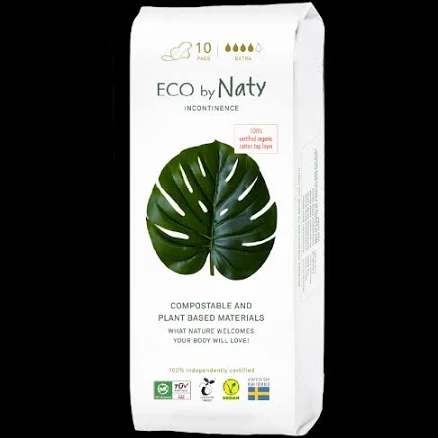
Eco By Naty
Incontinence Pads
- Bamboo-derived viscose, cotton, plant-based absorbent core
- We found no PFAS statement from the brand
- Heavy metals
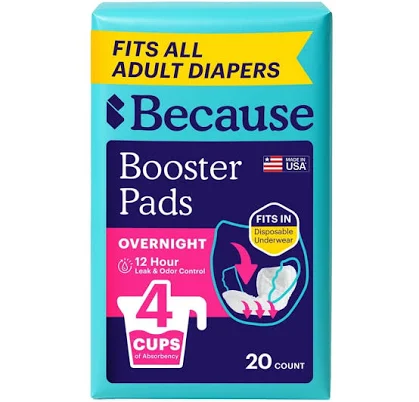
Because Market
Because Booster Pads
- Cellulose, superabsorbent polymer, cotton blend
- We found no PFAS statement from the brand
- Absorbent material degradation and bacterial growth
2 hazards checked on this product. See all of them.
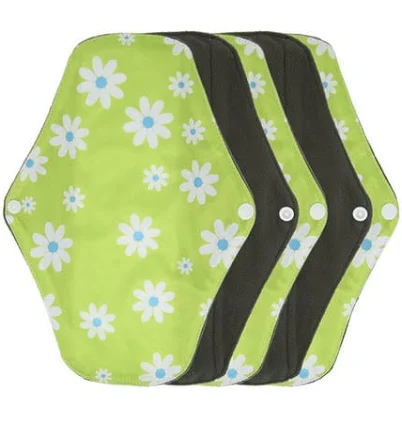
5pcs Bamboo Charcoal Washable Incontinence Pads
- bamboo charcoal textile, washable cotton-blend absorbent layer
- We found no PFAS statement from the brand
- Azo dyes and synthetic colorants
4 hazards checked on this product. See all of them.
More incontinence pads & protection grades
How we score, every product runs through the same public 0-100 rubric based on materials, coatings, brand disclosure, lab findings, and recalls. See the full methodology → Spotted a mistake? Report an error.