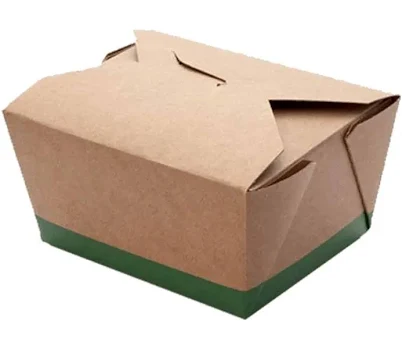
Custom Bio Pack Food Boxes, Eco-Friendly & Food-Safe Packaging Solutions
Skip until coating details are revealed; grease-resistant food packaging often relies on PFAS.
Bio-Pak's eco-friendly food boxes omit specifics on their water and grease-resistant coating, a common location for PFAS in food packaging. No certifications or PFAS testing are publicly listed.
The better-graded swap
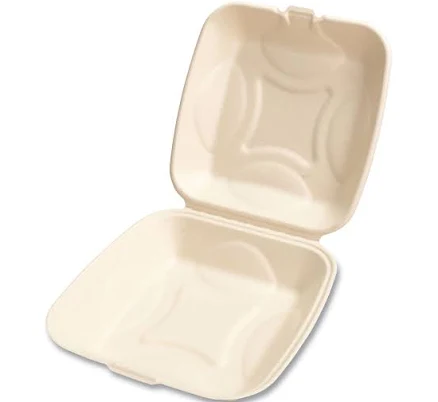
Bagasse
Bagasse PFAS-Free Food Containers
95/100 safety
Same rubric that flunked this product. The swap earned Excellent.
Still want this one anyway? Check the price on Amazon. We’d swap it.
Material
Unspecified coating on fiber-based food box (likely kraft/paper)
Brand disclosure
Brand is silent on PFAS
Lab data
No public lab test
You may also be interested in
Top-graded picks in the categories readers replace first, every one scored on the same rubric.

- polypropylene filter housing, carbon/sediment cartridge
- We found no PFAS statement from the brand
- Bacterial growth in spent cartridges
3 hazards checked on this product, all on its full breakdown.

Aquasure
Premier Series 75 GPD Under Sink Reverse Osmosis Water Filtration System
- RO membrane, carbon filters, stainless steel housing
- We found no PFAS statement from the brand
- Bacterial and microbial growth in housing and filters
4 hazards checked on this product, all on its full breakdown.

Avocado
Vegan Mattress
- organic cotton, natural latex, coconut coir, recycled steel coils
- The brand calls it PFAS-free, which we have not verified
- Heavy metals
2 hazards checked on this product, all on its full breakdown.
What Custom Bio Pack Food Boxes Solutions is made of, ingredients and materials
BioPac food boxes are fiber-based (likely kraft or recycled paper core) with an unspecified coating applied for grease and moisture resistance. The coating identity is critical, if it is a fluorochemical treatment (common in food-service packaging), PFAS contamination is probable. If it is wax, clay, or bio-based polymer, risk drops sharply. Without public disclosure of coating chemistry, the safety profile cannot be fully assessed.
What’s concerning
Category baseline
The starting point for this type of product, before anything specific to this product is counted.
Vague safety claims only
Uses vague language ("eco-friendly", "clean") without a specific PFAS statement.
Waterproof / stain-resistant treatment
Water-repellent coating treatments have historically used PFAS.
PFAS
Fluorochemical treatments are industry standard for grease-resistant food boxes; BioPac's silence on coating type strongly suggests either PFAS use or deliberate opacity. This is the dominant hazard for this product class.
Source, ATSDR ↗Coating degradation and microparticle release
If the coating is synthetic (Teflon-family coating, acrylic, or polyester-based), mechanical wear, heat cycling, or prolonged contact with acidic/oily foods may cause flaking or particulate shedding into food. No test data from the brand is public.
Ink and adhesive migration from printed surfaces
Food-contact surfaces of printed boxes can leach soy-based or solvent-based inks if the substrate or coating is compromised. BioPac has not disclosed ink type or FDA 175 compliance certifications (required for direct food contact).
What’s reassuring
Formaldehyde / VOCs
Fiber-based boxes may use formaldehyde-containing adhesives in the lamination process. No specific reports exist for BioPac, but industry standard is to use UF (urea-formaldehyde) resins. Ask the brand if low-formaldehyde or phenol-formaldehyde options are used.
Source, ATSDR ↗Bleach and chlorine residues in recycled fiber
If BioPac uses recycled paper, residual bleach or dioxins from industrial pulping are theoretically possible but heavily regulated and unlikely in certified food-grade materials. Confirm the supplier sources compliant recycled fiber.
How is this PFAS grade calculated?
The brand's record and disclosure
BioPac markets itself as eco-friendly and food-safe but has published no independent certifications (FDA, NSF, or third-party testing) visible in mainstream databases. The brand offers no public statement on PFAS use, coating composition, or migration testing. This silence is a yellow flag in an industry where competitors increasingly disclose fluorochemical-free status or provide migration data upon request.
How it compares in its category
Uncoated kraft boxes (e.g.from suppliers with explicit PFAS-free claims) represent a lower concern baseline. Coated paper boxes vary widely, some use wax or silicone (lower risk), others use aqueous Teflon-family coating or PFC-based greaseproof treatments (higher risk). BioPac's lack of specificity puts it in the middle-to-high-risk tier until evidence of PFAS avoidance is provided.
If you buy it
Contact the manufacturer directly and request a Safety Data Sheet (SDS) or technical specification for the coating; this is your only way to confirm PFAS absence. Use boxes only for room-temperature or chilled foods; heat (oven, microwave, prolonged hot storage) can increase migration of any unknown coating components. Store boxes in a cool, dry place to avoid humidity-driven coating breakdown. Do not assume 'eco-friendly' labeling equals chemical safety.
What is not known about PFAS in this product?
- Basis
- Model estimate, 35% confidence, not a lab result
- Lab test
- None on record for this exact product
- Brand statement
- BioPac has made none
Formulations change between production runs, so check the current label. How we grade.
What are the PFAS-free alternatives to Custom Bio Pack Food Boxes, Eco-Friendly & Food-Safe Packaging Solutions?
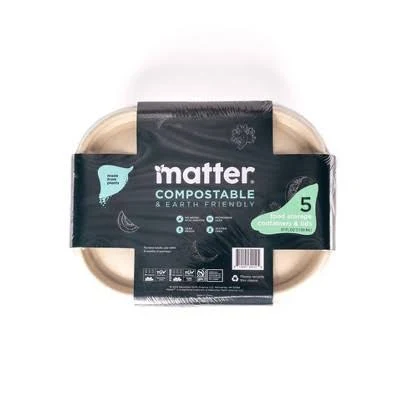
- Plant-based fiber pulp (compostable)
- A third party reports verifying it as PFAS-free
- Microbe/mold growth if stored damp
2 hazards checked on this product, all on its full breakdown.
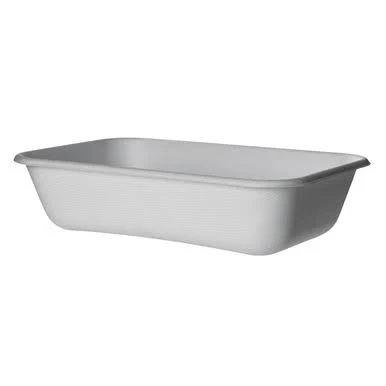
Eco-Products
Eco Products WorldView Compostable Take-Out Containers EP-SCRC32
- Plant-based fiber (compostable sugarcane bagasse)
- A third party reports verifying it as PFAS-free
- Bleaching agents and processing residues
3 hazards checked on this product, all on its full breakdown.
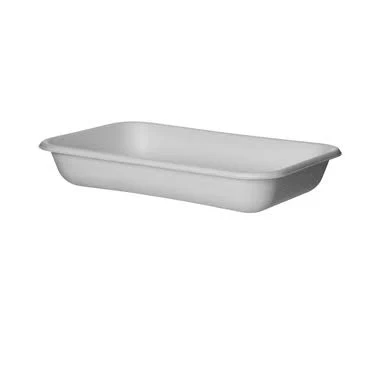
Eco-Products
WorldView Sugarcane Take-Out Containers
- Sugarcane bagasse (post-consumer fiber)
- A third party reports verifying it as PFAS-free
- Cellulose fiber degradation and food contact
2 hazards checked on this product, all on its full breakdown.
More food packaging grades
How we score, every product runs through the same public 0-100 rubric based on materials, coatings, brand disclosure, lab findings, and recalls. See the full methodology → Spotted a mistake? Report an error.