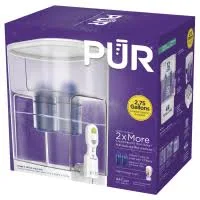
PUR XL 44-Cup Water Filter Dispenser with 2 Genuine PUR Filters
Low risk. Standard carbon filters avoid PFAS-prone chemistry.
PUR's XL dispenser uses activated carbon filtration, which relies on physical adsorption rather than Teflon-family coating chemistry. PUR makes no public PFAS-free certification or testing claims.
We flunk more products than we pass. This one earned its grade. How we grade
Material
Plastic dispenser housing, activated carbon filter media
Lab data
No public lab test
You may also be interested in
Top-graded picks in the categories readers replace first, every one scored on the same rubric.

- polypropylene filter housing, carbon/sediment cartridge
- We found no PFAS statement from the brand
- Bacterial growth in spent cartridges
3 hazards checked on this product, all on its full breakdown.

Aquasure
Premier Series 75 GPD Under Sink Reverse Osmosis Water Filtration System
- RO membrane, carbon filters, stainless steel housing
- We found no PFAS statement from the brand
- Bacterial and microbial growth in housing and filters
4 hazards checked on this product, all on its full breakdown.

Avocado
Vegan Mattress
- organic cotton, natural latex, coconut coir, recycled steel coils
- The brand calls it PFAS-free, which we have not verified
- Heavy metals
2 hazards checked on this product, all on its full breakdown.
What PUR XL 44-Cup Water Filter PUR Filters is made of, ingredients and materials
The PUR XL dispenser housing is polycarbonate or similar rigid plastic; the filter cartridges contain activated carbon, ion-exchange resin, and mesh media. Plastic housing can leach BPA or other bisphenols under prolonged contact with tap water or if cracks develop, though PUR does not disclose specific resin specs. Activated carbon itself is inert and does not introduce new contaminants; its role is to remove chlorine taste, some pesticides, and sediment from source water.
What’s concerning
No PFAS disclosure
No public statement from the brand about PFAS in this product.
BPA & bisphenols
PUR does not publish resin type or bisphenol-free certification for this dispenser. Polycarbonate housing may release trace BPA under normal use, especially if cracked or exposed to heat. Risk is low if housing remains intact and filter is changed regularly.
Source, FDA ↗Bacterial growth in filter or housing
If filters are not replaced on schedule or dispenser is left stagnant for extended periods, standing water in carbon media can support microbial growth. Proper maintenance (regular replacement, weekly air-drying) minimizes this risk.
Activated carbon filter exhaustion and contaminant breakthrough
If filter is used beyond manufacturer recommendation (40 gallons/2-3 months), activated carbon becomes saturated and may no longer remove chlorine, pesticides, or odor-causing compounds. This is a performance failure rather than an acute safety hazard for typical municipal water, but can reduce water quality.
Housing degradation from chlorine or minerals
Prolonged exposure to high-chlorine or hard water may cause plastic clouding or embrittlement over years of use, increasing crack risk and potential leaching. Risk is gradual and depends on water chemistry and storage conditions.
What’s reassuring
Base material not linked to PFAS
The main material recorded for this product is not one associated with PFAS.
Microplastics
No published data indicates PUR dispensers shed microplastics into filtered water under normal use. Activated carbon and resin beads in filters are not known to fragment into drinking water.
Source, EPA ↗How is this PFAS grade calculated?
The brand's record and disclosure
PUR is owned by Nestlé Waters North America and has been in the market for 30+ years with no major public recalls tied to housing leachables or filter media contamination. The brand does not publish detailed material safety data sheets for consumer dispenser units and makes no explicit BPA or phthalate-free claims for the housing. PUR has faced no documented legal action over plastic leaching in countertop filters, suggesting acceptable compliance with FDA food-contact standards, though independent verification is limited.
How it compares in its category
PUR XL occupies the mid-to-premium segment for countertop pitchers and dispensers. Compared to budget brands, PUR housing appears more durable and less prone to early cracking; compared to glass-housed alternatives (e.g., some Brita or aftermarket glass upgrade kits), plastic has a small theoretical leaching risk but offers better thermal stability and break resistance. The 44-cup capacity reduces filter replacement frequency, which can lower cumulative exposure risk if housing degradation is a concern.
If you buy it
Replace filters every 2-3 months or 40 gallons as specified; using expired filters reduces contaminant removal and can trap bacteria. Inspect the housing regularly for cracks, cloudiness, or discoloration; discard and replace if structural damage is visible. Store the dispenser away from direct sunlight and heat sources above 80-85°F, as elevated temperature may increase plastic leaching slightly. Empty and air-dry the housing weekly if not in constant use to prevent bacterial buildup in stagnant water.
What is not known about PFAS in this product?
- Basis
- Model estimate, 65% confidence, not a lab result
- Lab test
- None on record for this exact product
- Brand statement
- PUR has made a specific claim
Formulations change between production runs, so check the current label. How we grade.
What are the PFAS-free alternatives to PUR XL 44-Cup Water Filter Dispenser with 2 Genuine PUR Filters?
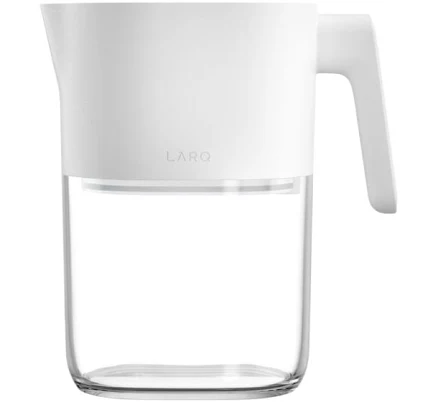
- borosilicate glass pitcher, replaceable activated carbon filter
- Bacterial growth in filter housing if unmaintained
4 hazards checked on this product, all on its full breakdown.
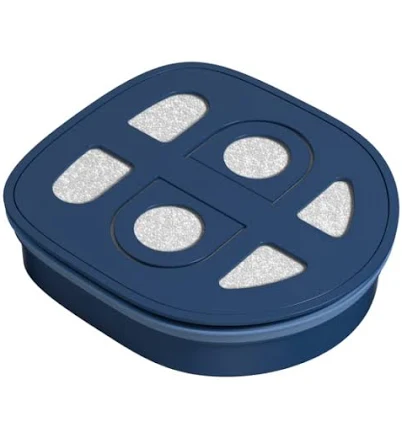
- Borosilicate glass pitcher, activated carbon filter cartridge
- Bacterial growth in filter cartridge
4 hazards checked on this product, all on its full breakdown.
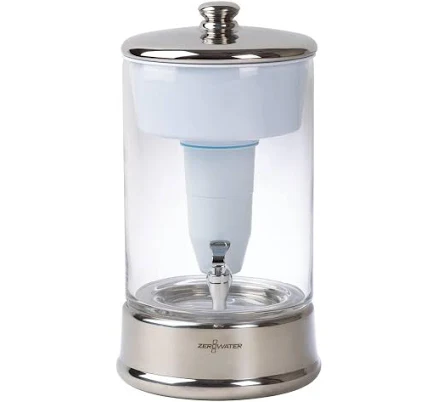
- borosilicate glass, plastic pitcher housing, ion-exchange resin cartridge
- Ion-exchange resin cartridge composition opacity
3 hazards checked on this product, all on its full breakdown.
More countertop filters grades
How we score, every product runs through the same public 0-100 rubric based on materials, coatings, brand disclosure, lab findings, and recalls. See the full methodology → Spotted a mistake? Report an error.