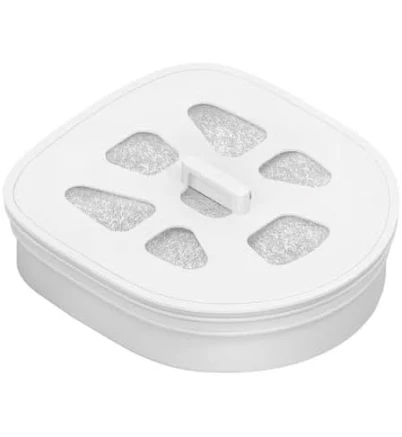
LARQ Pitcher Filter Essential Filter
Low risk. Standard carbon and resin media, no red flags identified.
LARQ's filter uses standard activated carbon and ion-exchange resin, materials not typically associated with intentional PFAS use. No brand PFAS disclosures exist.
We flunk more products than we pass. This one earned its grade. How we grade
Material
Activated carbon and ion-exchange resin filter media; plastic pitcher housing
Lab data
No public lab test
You may also be interested in
Top-graded picks in the categories readers replace first, every one scored on the same rubric.

- polypropylene filter housing, carbon/sediment cartridge
- We found no PFAS statement from the brand
- Bacterial growth in spent cartridges
3 hazards checked on this product, all on its full breakdown.

Aquasure
Premier Series 75 GPD Under Sink Reverse Osmosis Water Filtration System
- RO membrane, carbon filters, stainless steel housing
- We found no PFAS statement from the brand
- Bacterial and microbial growth in housing and filters
4 hazards checked on this product, all on its full breakdown.

Avocado
Vegan Mattress
- organic cotton, natural latex, coconut coir, recycled steel coils
- The brand calls it PFAS-free, which we have not verified
- Heavy metals
2 hazards checked on this product, all on its full breakdown.
What LARQ Pitcher Filter Essential Filter is made of, ingredients and materials
The LARQ Essential Filter uses activated carbon and ion-exchange resin as its core media, both well-established water treatment materials with no known toxicity when used as filters. The pitcher housing is plastic (likely polypropylene or similar food-grade polymer) that contacts treated water but does not undergo heating during normal use. These materials have no documented leaching problems under static storage conditions, and carbon/resin media do not degrade into microplastics during typical filtration cycles.
What’s concerning
No PFAS disclosure
No public statement from the brand about PFAS in this product.
Bacterial growth if filter not replaced on schedule
Activated carbon filters can become breeding grounds for bacteria if water sits stagnant or the filter is not replaced regularly. LARQ does not publish maintenance protocols as prominently as some competitors, so users may miss replacement windows.
Filter media breakdown or channeling over time
Activated carbon can develop gaps or settle unevenly in the pitcher, reducing contact time and filter effectiveness; users may not notice loss of function until water taste changes. LARQ does not provide guidance on how to detect this.
Unverified removal claims due to lack of independent testing
LARQ makes no specific removal claims for the Essential Filter, avoiding false advertising risk, but also provides no NSF or WQA certification that competitors use to substantiate performance. Consumers cannot independently verify what this filter actually removes.
What’s reassuring
Base material not linked to PFAS
The main material recorded for this product is not one associated with PFAS.
Plastic leaching from pitcher housing (food-contact polymer)
Food-grade plastic housing is standard for this category and does not leach under room-temperature storage; no BPA, BPS, or phthalates are documented in LARQ's materials. The pitcher is not heated, so no accelerated degradation is expected.
Heavy metals
No lead, cadmium, or antimony contamination has been reported in LARQ pitcher housings. The plastic is food-contact rated, but LARQ provides no third-party certification (NSF, FDA) documentation to verify this independently.
Source, FDA ↗How is this PFAS grade calculated?
The brand's record and disclosure
LARQ does not publicly market PFAS-removal claims and makes no specific disclosures about heavy metals or contaminant removal on their Essential Filter line, though the pitcher itself complies with FDA food-contact guidelines. The brand has no recorded product recalls, safety violations, or third-party certification controversies in published sources. No independent lab data contradicts the safety of this filter, though LARQ's silence on testing and certification (NSF, WQA) is notable for a premium-priced product.
How it compares in its category
Countertop pitcher filters are inherently limited compared to under-sink or whole-house systems and typically remove only chlorine, some sediment, and odor via carbon. The LARQ Essential performs in line with basic competitor models (Brita, PUR, Zero Water) using similar carbon-resin chemistry, with no evidence of superior or inferior safety. LARQ does not undergo third-party NSF testing (unlike many competitors), which means claims about contaminant reduction are unverified by independent labs.
If you buy it
Replace the filter every 2-3 months or per manufacturer guidance to prevent microbial biofilm buildup inside the carbon bed, which poses a greater risk than the filter itself. Store the pitcher out of direct sunlight and empty it if unused for more than a few days to prevent stagnant water. Do not use the pitcher for hot water or leave it near heat sources, as this can stress the plastic housing. Monitor for any change in water taste or odor, which signals filter exhaustion and loss of purification.
What is not known about PFAS in this product?
- Basis
- Model estimate, 68% confidence, not a lab result
- Lab test
- None on record for this exact product
- Brand statement
- LARQ has made a specific claim
Formulations change between production runs, so check the current label. How we grade.
What are the PFAS-free alternatives to LARQ Pitcher Filter Essential Filter?
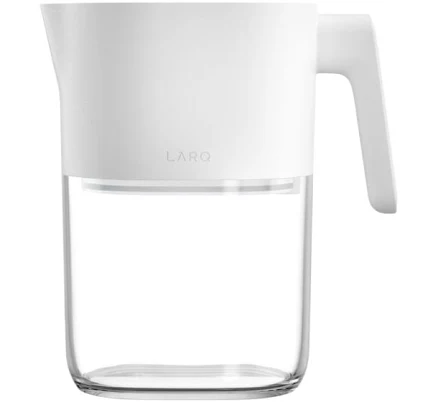
- borosilicate glass pitcher, replaceable activated carbon filter
- Bacterial growth in filter housing if unmaintained
4 hazards checked on this product, all on its full breakdown.
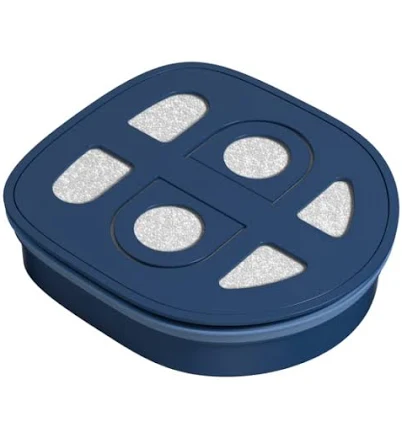
- Borosilicate glass pitcher, activated carbon filter cartridge
- Bacterial growth in filter cartridge
4 hazards checked on this product, all on its full breakdown.
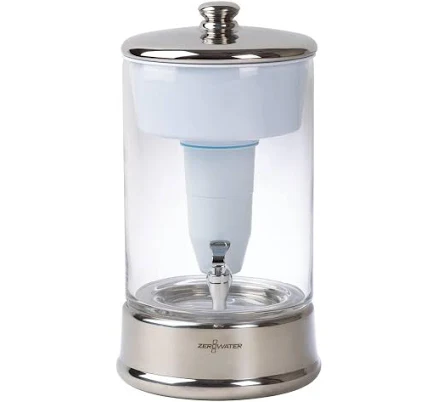
- borosilicate glass, plastic pitcher housing, ion-exchange resin cartridge
- Ion-exchange resin cartridge composition opacity
3 hazards checked on this product, all on its full breakdown.
More countertop filters grades
How we score, every product runs through the same public 0-100 rubric based on materials, coatings, brand disclosure, lab findings, and recalls. See the full methodology → Spotted a mistake? Report an error.