Medline · Incontinence Pads & Protection
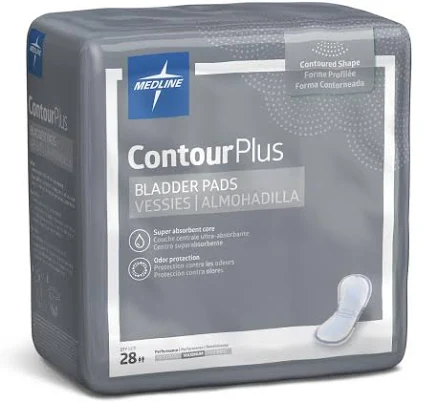
Medline ContourPlus Bladder Control Pads
Avoid until the brand reveals treatment chemistry. Bladder pads commonly rely on PFAS-based water repellents.
Medline hides the chemical makeup of ContourPlus pads' waterproof barrier. Incontinence products regularly use PFAS-based treatments to repel fluid and prevent leaks, and without testing or a certified PFAS-free claim, the risk stays unknown.
The better-graded swap
Northshore
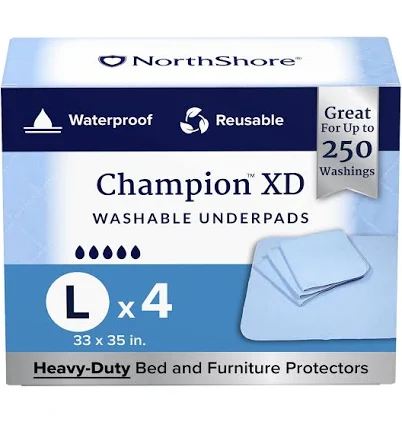
NorthShore Champion XD Washable
70/100 safety
Same rubric that flunked this product. The swap earned Good.
Still want this one anyway? Check the price on Amazon. We’d swap it.
Material
Nonwoven synthetic layers with unspecified water-resistant treatment
Brand disclosure
Brand is silent on PFAS
Lab data
No public lab test
What Medline ContourPlus Bladder Control Pads is made of, ingredients and materials
Medline ContourPlus pads use nonwoven synthetic layers (typically polypropylene and superabsorbent polymer cores) with an unspecified water-resistant topsheet treatment. The manufacturer does not publicly disclose whether this water repellent is PFAS-based (common in incontinence products) or an alternative chemistry. Since these pads contact skin for hours and may contact wound areas, any leachable coating or chemical treatment presents cumulative exposure risk.
What’s concerning
Category baseline
The starting point for this type of product, before anything specific to this product is counted.
No PFAS disclosure
No public statement from the brand about PFAS in this product.
Waterproof / stain-resistant treatment
Water-repellent coating treatments have historically used PFAS.
PFAS
Incontinence pads routinely use PFAS-coated nonwovens for fluid barriers. Medline does not disclose treatment chemistry, and industry prevalence suggests PFAS use is probable. Skin contact over extended periods poses potential bioaccumulative exposure.
Source, ATSDR ↗Unidentified coating degradation and leachables
The water-resistant topsheet treatment is proprietary and undisclosed. Over time, friction, moisture, and body heat may degrade this coating, releasing unknown compounds onto sensitive perineal skin.
Superabsorbent polymer (SAP) particle release
SAP cores in nonwoven pads can shed fine particles if the nonwoven separator degrades; this is rare but documented in low-quality products. Inhalation or mucosal contact with particles is a minor but recognized risk in long-term users.
Formaldehyde / VOCs
Industrial nonwoven thermal bonding sometimes uses formaldehyde releasers. Medline does not exclude this; prolonged skin contact could trigger low-level dermal or respiratory exposure, especially in sensitive individuals.
Source, ATSDR ↗What’s reassuring
Heavy metals
Incontinence pads are not typically sources of talc or heavy metals, as they lack pigments, dyes, or mineral fillers. No recalls or findings for this product class exist on record.
Source, FDA ↗The full breakdown
The brand's record and disclosure
Medline Industries (parent of Cantel Medical's incontinence line) has not published transparency statements on PFAS use in their protection products, nor do they list third-party certifications (e.g., Cradle to Cradle, Standard 100 by Oeko-Tex) for incontinence pads. The brand's silence on this known industry concern is a red flag, especially given widespread PFAS use in medical absorbent products. No recalls or formal contamination findings are on record for this specific product.
How it compares in its category
Most incontinence pads in the mass-market segment (Depends, Tena, Medline) do not disclose water-repellent chemistry, making comparison difficult. Premium or eco-focused alternatives (Nateen, Principle, some store brands claiming PFAS-free) increasingly publish material disclosures. ContourPlus sits in the mid-tier by price but offers no transparency advantage, making it indistinguishable from generic competitors on safety grounds.
If you buy it
Change pads regularly (at least every 4-6 hours or immediately if soiled) to limit skin contact with any residual treatment chemicals. Avoid exposing pads to heat sources or washing machines, as thermal stress can degrade coatings and increase leaching. If you have sensitive skin, dermatitis, or use these long-term, contact Medline directly requesting material safety data sheets and confirmation of PFAS-free status. Consider switching to a brand with published PFAS commitments if this product causes unexplained irritation.
What we don’t know
- Basis
- Model estimate, 35% confidence, not a lab result
- Lab test
- None on record for this exact product
- Brand statement
- Medline has made none
Formulations change between production runs, so check the current label. How we grade.
Better-graded alternatives in Incontinence Pads & Protection
Eco By Naty
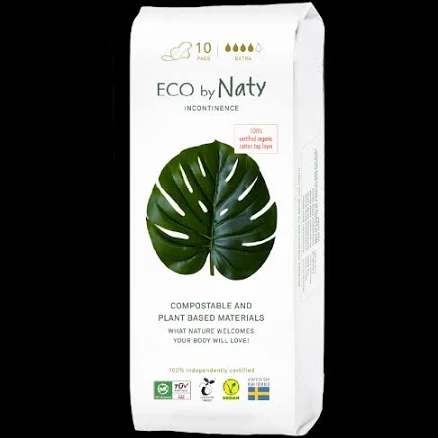
Incontinence Pads
- Bamboo-derived viscose, cotton, plant-based absorbent core
- We found no PFAS statement from the brand
- Heavy metals
Because Market
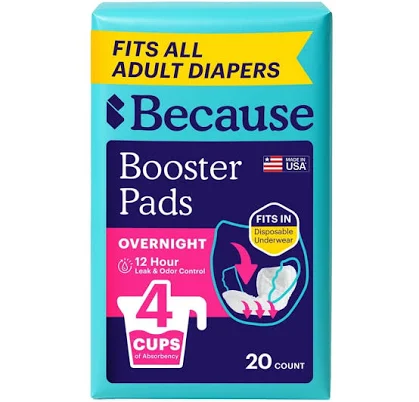
Because Booster Pads
- Cellulose, superabsorbent polymer, cotton blend
- We found no PFAS statement from the brand
- Absorbent material degradation and bacterial growth
2 hazards checked on this product. See all of them.
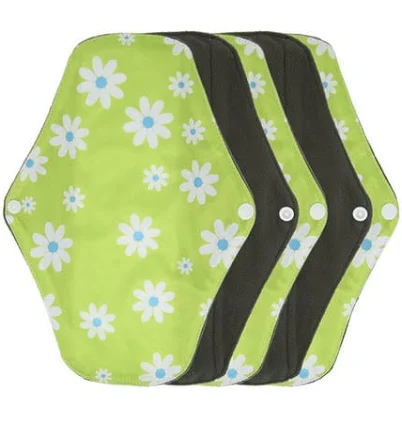
5pcs Bamboo Charcoal Washable Incontinence Pads
- bamboo charcoal textile, washable cotton-blend absorbent layer
- We found no PFAS statement from the brand
- Azo dyes and synthetic colorants
4 hazards checked on this product. See all of them.
More incontinence pads & protection grades
How we score, every product runs through the same public 0-100 rubric based on materials, coatings, brand disclosure, lab findings, and recalls. See the full methodology → Spotted a mistake? Report an error.