Tena · Incontinence Pads & Protection
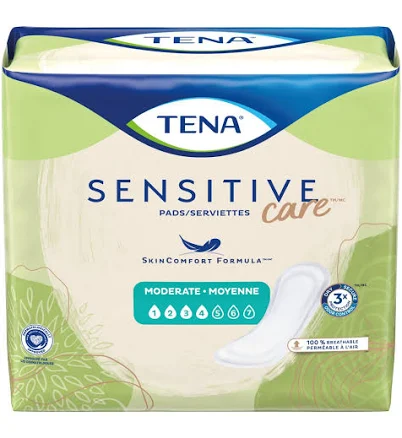
TENA Intimates Moderate Bladder Control Pad
Avoid until the brand discloses waterproofing chemistry or provides independent testing.
TENA Intimates keeps its waterproof barrier formula secret, a common PFAS application in absorbent incontinence products. No third-party PFAS testing or certification exists, and Cantel Medical has not addressed PFAS concerns for this line.
The better-graded swap
Northshore
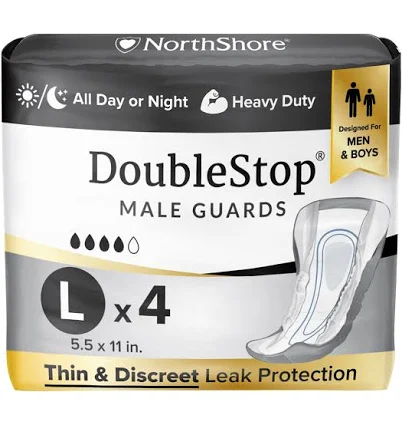
NorthShore DoubleStop Male Guards
70/100 safety
Same rubric that flunked this product. The swap earned Good.
Still want this one anyway? Check the price on Amazon. We’d swap it.
Material
Absorbent core with unspecified waterproof backing/coating
Brand disclosure
Brand is silent on PFAS
Lab data
No public lab test
What TENA Intimates Moderate Bladder Control is made of, ingredients and materials
TENA Intimates pads use a superabsorbent polymer (SAP) core, typically sodium polyacrylate, surrounded by cellulose and fluff layers, with a plastic or coated waterproof backing. The backing chemistry is the critical unknown, manufacturers typically use PFAS-based water repellents or other synthetic polymers to prevent leakage, but Cantel Medical has not publicly disclosed which. Without this information, the actual chemical exposure profile cannot be assessed.
What’s concerning
Category baseline
The starting point for this type of product, before anything specific to this product is counted.
No PFAS disclosure
No public statement from the brand about PFAS in this product.
Waterproof / stain-resistant treatment
Water-repellent coating treatments have historically used PFAS.
PFAS
Waterproof backing chemistry is undisclosed. Standard industry practice for incontinence pads relies on PFAS-based films or coatings; absence of public commitment to alternatives suggests possible presence. Direct skin contact increases absorption risk vs. external-use products.
Source, ATSDR ↗Sodium polyacrylate (superabsorbent polymer) irritation
SAP core is standard in absorbent pads and generally recognized as low concern when intact. Risk arises if polymer particles escape into contact with skin, particularly in individuals with sensitive skin or urinary tract issues. No TENA-specific incident data available.
Plastic backing degradation and microparticle shedding
Plastic or polymer backings can degrade over time or with heat exposure, potentially releasing small particles. Extended storage, high temperatures, or aggressive washing (if the pad is inadvertently laundered) may accelerate breakdown. No clinical studies isolate TENA pad shedding rates.
Skin irritation from prolonged moisture and friction
Any incontinence pad worn for extended periods risks maceration and irritant dermatitis, independent of chemical composition. TENA's absorbency rating and fit design matter more than chemistry for this hazard, but material residues (dyes, coatings, surfactants) could exacerbate it in susceptible individuals.
What’s reassuring
Cellulose and additives in core layer
Fluff pulp, wood-derived cellulose, and bleaching agents (typically chlorine compounds) are standard. No public safety alerts or recalls tied to TENA Intimates core composition. Residual bleach or processing chemicals are unlikely at detected levels but unconfirmed.
The full breakdown
The brand's record and disclosure
Cantel Medical (TENA's parent company) has not published ingredient lists, material safety data, or PFAS testing results for its incontinence pad lines. The company has not signed the ZDHC Gateway or other industry transparency commitments. No major product recalls or safety controversies specific to TENA Intimates are on public record, but silence on waterproofing chemistry is itself a disclosure failure for a product worn against sensitive skin.
How it compares in its category
Most mass-market incontinence pads (Depend, Prevail, Always Discreet) similarly withhold backing composition details, making TENA neither better nor worse in transparency. Premium or eco-focused brands (e.g., some European lines) occasionally disclose PFAS-free backings, but are less widely available. TENA's market position relies on absorbency and fit, not chemical safety as a selling point.
If you buy it
Store pads in a cool, dry place away from direct heat or sunlight to avoid accelerating any polymer degradation. Change pads regularly according to absorbency level and skin comfort; prolonged contact increases risk of irritation from trapped moisture or chemical residues. Discontinue use and consult a physician if skin redness, itching, or burning develops. Request detailed backing composition from Cantel Medical customer service; brand pressure for disclosure is the only way to resolve the transparency gap.
What we don’t know
- Basis
- Model estimate, 45% confidence, not a lab result
- Lab test
- None on record for this exact product
- Brand statement
- Tena has made none
Formulations change between production runs, so check the current label. How we grade.
Better-graded alternatives in Incontinence Pads & Protection
Eco By Naty
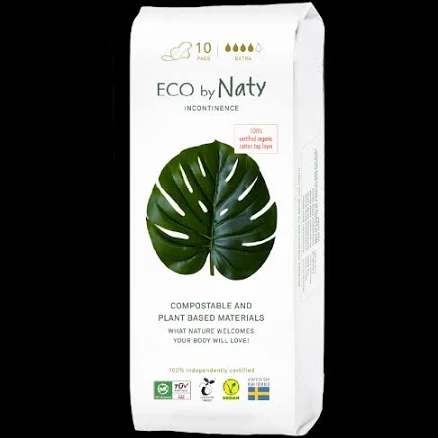
Incontinence Pads
- Bamboo-derived viscose, cotton, plant-based absorbent core
- We found no PFAS statement from the brand
- Heavy metals
Because Market
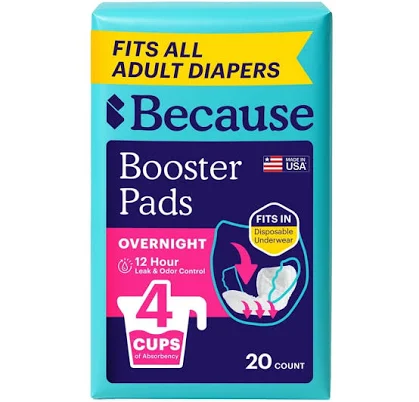
Because Booster Pads
- Cellulose, superabsorbent polymer, cotton blend
- We found no PFAS statement from the brand
- Absorbent material degradation and bacterial growth
2 hazards checked on this product. See all of them.
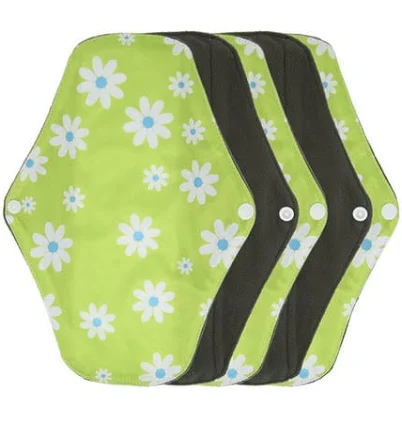
5pcs Bamboo Charcoal Washable Incontinence Pads
- bamboo charcoal textile, washable cotton-blend absorbent layer
- We found no PFAS statement from the brand
- Azo dyes and synthetic colorants
4 hazards checked on this product. See all of them.
More incontinence pads & protection grades
How we score, every product runs through the same public 0-100 rubric based on materials, coatings, brand disclosure, lab findings, and recalls. See the full methodology → Spotted a mistake? Report an error.