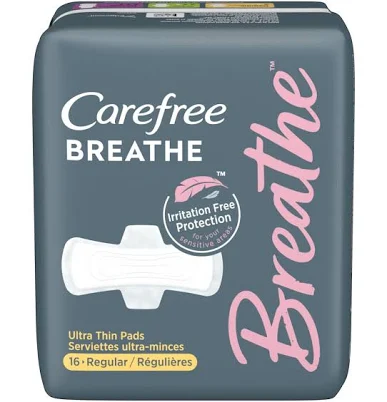
Carefree Breathe Pads Ultra Thin
Period pads likely water-treated; PFAS risk unclear without disclosure.
Carefree Breathe pads use synthetic materials with waterproof backing typical of menstrual products. The brand does not disclose coating chemistry or PFAS status, leaving composition uncertainty.
The better-graded swap
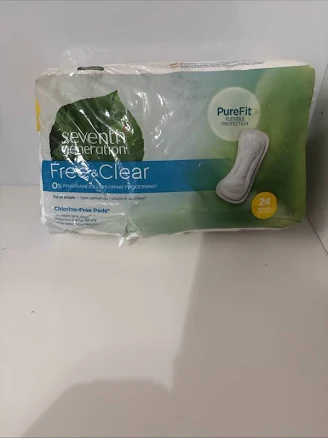
Seventh Generation
Seventh Generation Chlorine Free Maxi Pads
100/100 safety
Same rubric that flunked this product. The swap earned Excellent.
Still want this one anyway? Check the price on Amazon. We’d swap it.
Material
Nonwoven synthetic polymer with waterproofing layer
Brand disclosure
Brand is silent on PFAS
Lab data
No public lab test
You may also be interested in
Top-graded picks in the categories readers replace first, every one scored on the same rubric.

- polypropylene filter housing, carbon/sediment cartridge
- We found no PFAS statement from the brand
- Bacterial growth in spent cartridges
3 hazards checked on this product, all on its full breakdown.

Aquasure
Premier Series 75 GPD Under Sink Reverse Osmosis Water Filtration System
- RO membrane, carbon filters, stainless steel housing
- We found no PFAS statement from the brand
- Bacterial and microbial growth in housing and filters
4 hazards checked on this product, all on its full breakdown.

Avocado
Vegan Mattress
- organic cotton, natural latex, coconut coir, recycled steel coils
- The brand calls it PFAS-free, which we have not verified
- Heavy metals
2 hazards checked on this product, all on its full breakdown.
What Carefree Breathe Pads Ultra Thin is made of, ingredients and materials
Carefree Breathe Ultra Thin uses nonwoven synthetic polymer (likely polypropylene or polyethylene) as the absorbent core with a waterproofing barrier layer. That barrier is almost certainly where PFAS risk concentrates, since synthetic water-resistant textiles commonly use PFAS-based treatments to repel menstrual flow while staying breathable. The nonwoven itself is not inherently toxic, but the treatment chemistry is opaque.
What’s concerning
Waterproof / stain-resistant treatment
Water-repellent coating treatments have historically used PFAS.
Category baseline
The starting point for this type of product, before anything specific to this product is counted.
No PFAS disclosure
No public statement from the brand about PFAS in this product.
Synthetic polymer fragmentation and microplastic shedding
Nonwoven pads degrade over time and with friction; no test data exists for Carefree Ultra Thin specifically, but the nonwoven core can fragment into microparticles during use and disposal. Chronic low-dose exposure pathway remains unstudied in menstrual products.
Waterproofing layer degradation and coating leachables
The waterproofing barrier may degrade with heat, humidity, or acidic menstrual fluid contact, but whether this releases harmful monomers or oligomers is unknown due to lack of independent testing. PFAS is the primary concern; secondary leachables from the coating are not publicly characterized.
Fragrance and botanical additive sensitivities
Carefree Acti-Fresh line includes fragrance and botanical extracts (aloe, chamomile) in the topsheet. While generally recognized as low concern in cosmetics, fragrance allergens and essential oil sensitivizers can trigger contact irritation in sensitive individuals; no specific allergic reaction data for this product is on record.
What’s reassuring
Chemical residues from synthetic manufacturing
No recalls, skin reactions, or detected contaminants (heavy metals, dyes, adhesive residues) are documented for Carefree pads. Standard industrial nonwoven manufacturing typically meets FDA soft-goods safety rules, but full ingredient transparency is absent.
Adhesive and skin irritation from synthetic adhesives
No widespread reports of contact dermatitis or adhesive reactions to Carefree Ultra Thin exist. The acrylic or rubber-based adhesive is typical for the category and not flagged by dermatologists; however, individuals with sensitive skin may experience irritation regardless of brand.
How is this PFAS grade calculated?
The brand's record and disclosure
Carefree (Edgewell Personal Care) has not published ingredient lists, PFAS testing results, or waterproofing method disclosure for this product line. No recalls or documented safety incidents are on record for Carefree pads. The silent stance on PFAS in period care is typical of the category but contrasts with newer competitors (Aunt Flow, Rael) who disclose water-treatment methods or use mechanical barriers instead.
How it compares in its category
Ultra-thin pads with synthetic waterproofing are the market standard; Carefree's design is typical, not exceptional in safety profile. Organic cotton or mechanical barrier alternatives (cotton-backed pads, cup-based products) present lower concern for PFAS waterproofing but sacrifice the convenience of this form factor. Within conventional thin pads, Carefree sits at the mid-range of transparency (poor) and has no documented superior safety record.
If you buy it
Store in a cool, dry place away from heat and humidity to prevent degradation of the nonwoven layer. Do not reuse or rinse pads with hot water, as this may damage coatings and release particles. Replace when waterproofing visibly degrades (yellowing, stickiness loss, leaking). Dispose in regular waste; do not flush despite 'flushable' claims on some Carefree lines, as they contribute to sewer clogs and microplastic persistence.
What is not known about PFAS in this product?
- Basis
- Model estimate, 45% confidence, not a lab result
- Lab test
- None on record for this exact product
- Brand statement
- Carefree has made none
Formulations change between production runs, so check the current label. How we grade.
What are the PFAS-free alternatives to Carefree Breathe Pads Ultra Thin?
- organic cotton, wood pulp
- The brand calls it PFAS-free, which we have not verified
- Fragrance allergen content
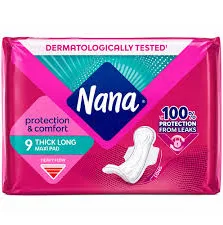
- cellulose, cotton blend, absorbent core
- We found no PFAS statement from the brand
- Bleach residues and processing chemicals in cellulose
3 hazards checked on this product, all on its full breakdown.
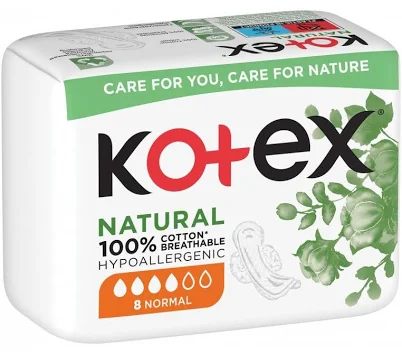
- Cotton, wood pulp absorbent core, plastic backing
- Pesticide residue
2 hazards checked on this product, all on its full breakdown.
More period pads grades
How we score, every product runs through the same public 0-100 rubric based on materials, coatings, brand disclosure, lab findings, and recalls. See the full methodology → Spotted a mistake? Report an error.