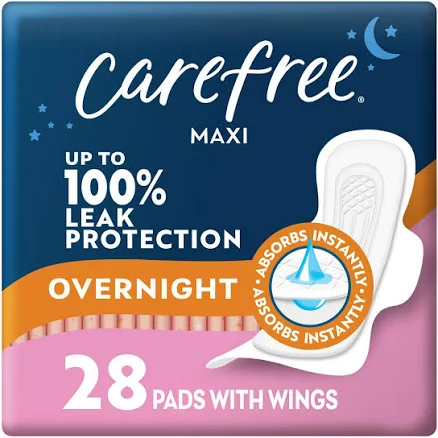
Carefree Maxi Overnight Pads with Wings
Waterproof period pad; unspecified backing raises PFAS concern without disclosure.
Carefree Overnight pads use waterproof backing materials not publicly disclosed. Waterproofing in feminine hygiene products often involves PFAS coatings, but Carefree provides no transparency or testing data.
The better-graded swap
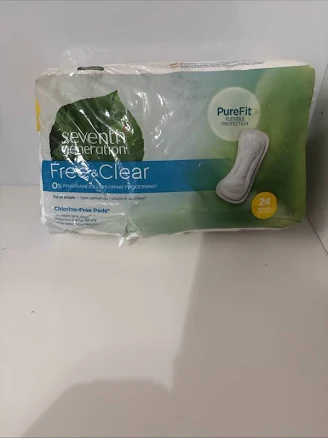
Seventh Generation
Seventh Generation Chlorine Free Maxi Pads
100/100 safety
Same rubric that flunked this product. The swap earned Excellent.
Still want this one anyway? Check the price on Amazon. We’d swap it.
Material
Nonwoven cellulose blend with waterproof backing/adhesive, composition unspecified
Brand disclosure
Brand is silent on PFAS
Lab data
No public lab test
You may also be interested in
Top-graded picks in the categories readers replace first, every one scored on the same rubric.

- polypropylene filter housing, carbon/sediment cartridge
- We found no PFAS statement from the brand
- Bacterial growth in spent cartridges
3 hazards checked on this product, all on its full breakdown.

Aquasure
Premier Series 75 GPD Under Sink Reverse Osmosis Water Filtration System
- RO membrane, carbon filters, stainless steel housing
- We found no PFAS statement from the brand
- Bacterial and microbial growth in housing and filters
4 hazards checked on this product, all on its full breakdown.

Avocado
Vegan Mattress
- organic cotton, natural latex, coconut coir, recycled steel coils
- The brand calls it PFAS-free, which we have not verified
- Heavy metals
2 hazards checked on this product, all on its full breakdown.
What Carefree Maxi Overnight Pads with Wings is made of, ingredients and materials
Carefree Maxi Overnight uses a nonwoven cellulose blend (absorbent core) bonded to an unspecified waterproof backing and adhesive system. The backing composition is the critical unknown, waterproofing in period pads is typically achieved with plastic films, which may contain PFAS (fluorinated compounds used for water and oil repellency) or other polymer additives. Cellulose itself is not a chemical concern, but the adhesives and backing layers determine whether volatile organics or synthetic compounds migrate into vaginal tissue during prolonged contact.
What’s concerning
Waterproof / stain-resistant treatment
Water-repellent coating treatments have historically used PFAS.
Category baseline
The starting point for this type of product, before anything specific to this product is counted.
No PFAS disclosure
No public statement from the brand about PFAS in this product.
PFAS
Waterproof layer material is unspecified. Fluorinated polymers are common in period pad backings for water repellency; absence is not confirmed by the brand or third-party testing.
Source, ATSDR ↗Adhesive and synthetic polymer leachables
Nonwoven adhesives and waterproof film can release oligomers or plasticizers during skin contact. Risk is low for short-term use but unknown without material specifications. Formulation proprietary.
Microplastic shedding from degraded backing
Plastic waterproof layers can fragment if the pad is bent, washed, or exposed to friction. Shed particles would not enter the bloodstream but could contribute to environmental and body burden of synthetic polymers over lifetime use.
What’s reassuring
Formaldehyde / VOCs
Cellulose nonwovens sometimes use formaldehyde-based resins for fiber bonding. No specific recalls or reports for Carefree pads; however, this hazard class is not transparent in the product documentation.
Source, ATSDR ↗Allergic contact dermatitis from dyes or fragrances
Carefree Overnight Pads are unscented and minimally dyed (white/pale backing). Risk is lower than fragranced variants, but nonwoven colorants are not disclosed. Individual sensitivity remains possible.
How is this PFAS grade calculated?
The brand's record and disclosure
Carefree (owned by Edgewell/Energizer) has not publicly disclosed the chemical composition of its waterproof backing or confirmed PFAS-free status. The brand does not list third-party certifications (e.g., Cradle to Cradle, Oeko-Tex) that would verify absence of restricted substances. No major product recalls for chemical contamination are on record, but silence on backing materials and PFAS is inconsistent with transparency standards emerging in the menstrual product category.
How it compares in its category
Most conventional period pad brands (Tampax, Kotex, Always) use similar proprietary waterproof backing systems without full disclosure. Brands with higher transparency (Seventh Generation, Cora, Lola) specify backing materials and avoid PFAS or publish third-party test results. Carefree's lack of disclosure places it in the middle of the category, not worst-in-class, but below emerging standards for ingredient clarity in intimate products.
If you buy it
Change pads every 4-6 hours, especially overnight, to minimize contact time with any potential leachables. Do not use if you experience irritation, rash, or odor changes; individual sensitivity to adhesives or backing materials varies. Store in a dry place; moisture exposure to the backing does not increase risk, but inspect packaging for damage before use. If PFAS concern is important to you, contact the manufacturer directly to request backing material specification or switch to a brand with published PFAS-free certification.
What is not known about PFAS in this product?
- Basis
- Model estimate, 45% confidence, not a lab result
- Lab test
- None on record for this exact product
- Brand statement
- Carefree has made none
Formulations change between production runs, so check the current label. How we grade.
What are the PFAS-free alternatives to Carefree Maxi Overnight Pads with Wings?
- organic cotton, wood pulp
- The brand calls it PFAS-free, which we have not verified
- Fragrance allergen content
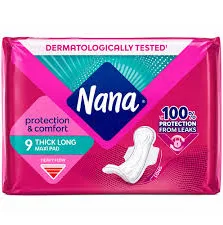
- cellulose, cotton blend, absorbent core
- We found no PFAS statement from the brand
- Bleach residues and processing chemicals in cellulose
3 hazards checked on this product, all on its full breakdown.
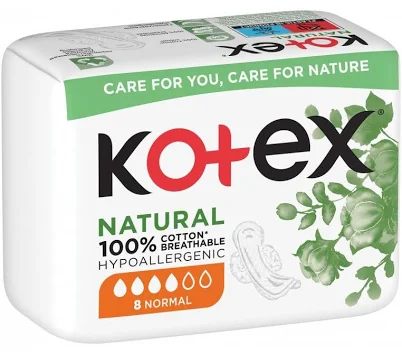
- Cotton, wood pulp absorbent core, plastic backing
- Pesticide residue
2 hazards checked on this product, all on its full breakdown.
More period pads grades
How we score, every product runs through the same public 0-100 rubric based on materials, coatings, brand disclosure, lab findings, and recalls. See the full methodology → Spotted a mistake? Report an error.