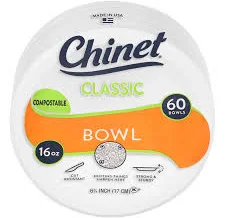
Chinet Bowls Classic White
Skip until water-resistance coating source is disclosed.
Chinet does not disclose PFAS status or coating chemistry. Grease-resistant food bowls often use PFAS-based treatments; unconfirmed coating raises moderate concern.
The better-graded swap
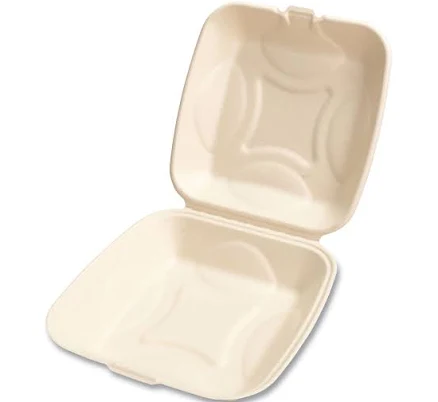
Bagasse
Bagasse PFAS-Free Food Containers
95/100 safety
Same rubric that flunked this product. The swap earned Excellent.
Still want this one anyway? Check the price on Amazon. We’d swap it.
Material
Molded fiber pulp with water-resistant coating
Brand disclosure
Brand is silent on PFAS
Lab data
No public lab test
You may also be interested in
Top-graded picks in the categories readers replace first, every one scored on the same rubric.

- polypropylene filter housing, carbon/sediment cartridge
- We found no PFAS statement from the brand
- Bacterial growth in spent cartridges
3 hazards checked on this product, all on its full breakdown.

Aquasure
Premier Series 75 GPD Under Sink Reverse Osmosis Water Filtration System
- RO membrane, carbon filters, stainless steel housing
- We found no PFAS statement from the brand
- Bacterial and microbial growth in housing and filters
4 hazards checked on this product, all on its full breakdown.

Avocado
Vegan Mattress
- organic cotton, natural latex, coconut coir, recycled steel coils
- The brand calls it PFAS-free, which we have not verified
- Heavy metals
2 hazards checked on this product, all on its full breakdown.
What Chinet Bowls Classic White is made of, ingredients and materials
Chinet Classic White bowls are molded from recycled paper pulp, which is inherently food-safe and compostable. The critical concern is the water-resistant coating applied to the interior surface. Molded fiber products typically use fluorochemical or non-fluorochemical barriers to prevent liquid leakage; Chinet has not publicly disclosed which type is used in this line, making it impossible to assess leaching risk under hot or acidic food conditions.
What’s concerning
Waterproof / stain-resistant treatment
Water-repellent coating treatments have historically used PFAS.
Category baseline
The starting point for this type of product, before anything specific to this product is counted.
No PFAS disclosure
No public statement from the brand about PFAS in this product.
PFAS
Undisclosed coating chemistry means fluorochemical barriers cannot be ruled out. Hot or acidic food exposure may mobilize trace PFAS into food if present, though molded fiber typically shows lower migration than plastics.
Source, ATSDR ↗Coating degradation and microfiber/pulp leaching
Consumer reports and industry testing show molded fiber coatings can flake or soften with repeated hot-liquid use, especially at seams. Ingestion of coating fragments or exposed pulp fibers is a mechanical rather than chemical hazard but warrants visual inspection before use.
Bacterial/mold growth if stored wet
Molded fiber is porous; if bowls are stacked wet or stored in humid conditions, interior coating cracks may trap moisture and support microbial growth. Thorough drying and proper storage mitigate this.
What’s reassuring
Chlorine or bleach residues from processing
Molded fiber pulp is typically whitened using chlorine dioxide or hydrogen peroxide; final rinse standards are not publicly disclosed for Chinet products. No recalls or complaints specific to residual bleach have been documented, but manufacturing transparency is limited.
Heavy metals
Recycled paper pulp can theoretically concentrate trace metals if sourced from contaminated waste streams. Chinet does not disclose pulp sourcing or heavy-metal testing results. This risk is considered low for food-contact molded fiber in the U.S. market, but is unverified for this specific product.
Source, FDA ↗How is this PFAS grade calculated?
The brand's record and disclosure
Huhtamaki (Chinet's parent company) has remained silent on PFAS use in molded fiber foodware despite industry scrutiny since 2020. No third-party certifications (e.g., Green Seal, Cradle to Cradle) are listed for this product line, which would otherwise provide coating transparency. The brand has not published phase-out timelines or alternative coating commitments, unlike some competitors.
How it compares in its category
Molded fiber bowls occupy a middle ground, lower concern for microplastic leaching than single-use plastics, but less transparent than some alternatives. Competing brands like World Centric and Footprint have committed to PFAS-free water barriers or published testing results. Standard ceramic or glass bowls eliminate coating concerns entirely but sacrifice the compostability advantage molded fiber offers.
If you buy it
Reserve these bowls for cold or room-temperature foods (salads, dry goods, room-temp beverages). Avoid prolonged contact with hot liquids, acidic foods (tomato sauce, citrus), or fatty foods, which can accelerate any coating leaching. Inspect bowls regularly for softening, discoloration, or peeling at seams; discard if coating integrity visibly degrades. Hand wash rather than dishwasher to extend coating life, though manufacturer guidance should be followed.
What is not known about PFAS in this product?
- Basis
- Model estimate, 45% confidence, not a lab result
- Lab test
- None on record for this exact product
- Brand statement
- Chinet has made none
Formulations change between production runs, so check the current label. How we grade.
What are the PFAS-free alternatives to Chinet Bowls Classic White?
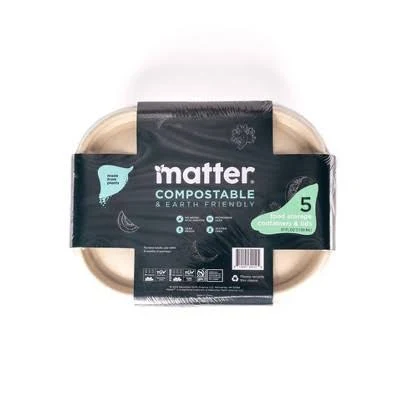
- Plant-based fiber pulp (compostable)
- A third party reports verifying it as PFAS-free
- Microbe/mold growth if stored damp
2 hazards checked on this product, all on its full breakdown.
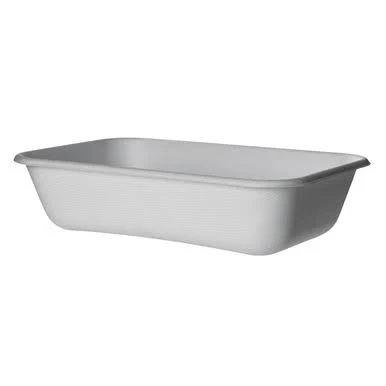
Eco-Products
Eco Products WorldView Compostable Take-Out Containers EP-SCRC32
- Plant-based fiber (compostable sugarcane bagasse)
- A third party reports verifying it as PFAS-free
- Bleaching agents and processing residues
3 hazards checked on this product, all on its full breakdown.
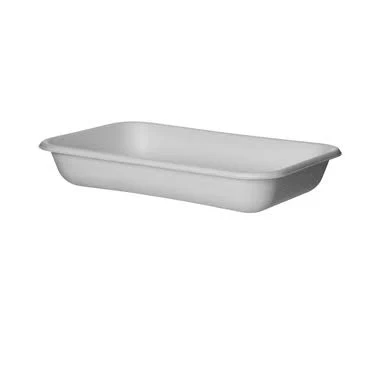
Eco-Products
WorldView Sugarcane Take-Out Containers
- Sugarcane bagasse (post-consumer fiber)
- A third party reports verifying it as PFAS-free
- Cellulose fiber degradation and food contact
2 hazards checked on this product, all on its full breakdown.
More food packaging grades
How we score, every product runs through the same public 0-100 rubric based on materials, coatings, brand disclosure, lab findings, and recalls. See the full methodology → Spotted a mistake? Report an error.