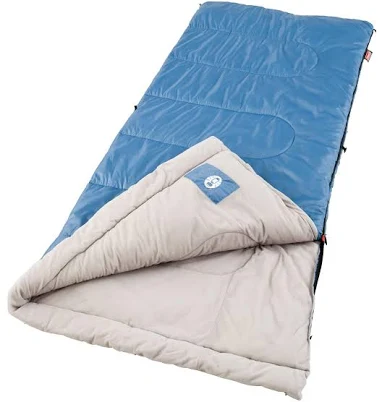
Coleman Sun Ridge Sleeping Bag
Polyester with water-repellent coating finish raises concern without chemistry disclosure.
The sleeping bag has a water-repellent coating finish, but Coleman has not disclosed the chemistry of this coating. water-repellent coating treatments have historically used PFAS compounds. The brand has no PFAS statement on record for this product.
Still want this one anyway? Check the price on Amazon. We’d swap it.
Material
polyester with water-repellent coating water-repellent finish
Lab data
No public lab test
You may also be interested in
Top-graded picks in the categories readers replace first, every one scored on the same rubric.

- polypropylene filter housing, carbon/sediment cartridge
- We found no PFAS statement from the brand
- Bacterial growth in spent cartridges
3 hazards checked on this product, all on its full breakdown.

Aquasure
Premier Series 75 GPD Under Sink Reverse Osmosis Water Filtration System
- RO membrane, carbon filters, stainless steel housing
- We found no PFAS statement from the brand
- Bacterial and microbial growth in housing and filters
4 hazards checked on this product, all on its full breakdown.

Avocado
Vegan Mattress
- organic cotton, natural latex, coconut coir, recycled steel coils
- The brand calls it PFAS-free, which we have not verified
- Heavy metals
2 hazards checked on this product, all on its full breakdown.
What Coleman Sun Ridge Sleeping Bag is made of, ingredients and materials
The Coleman Sun Ridge uses polyester fabric as its primary shell and lining material, which is a stable synthetic polymer not known to leach harmful chemicals under normal sleeping conditions. The critical unknown is the water-repellent coating (water-repellent coating) finish applied to the exterior. water-repellent coating coatings historically relied on PFAS-based chemistry; Coleman has not publicly disclosed whether this bag uses legacy PFAS compounds, fluorine-free alternatives, or a proprietary formulation. Polyester itself does not off-gas formaldehyde or volatile organic compounds in the way foam or certain adhesives do, making the water-repellent coating finish the primary chemical concern.
What’s concerning
Category baseline
The starting point for this type of product, before anything specific to this product is counted.
No PFAS disclosure
No public statement from the brand about PFAS in this product.
Waterproof / stain-resistant treatment
Water-repellent coating treatments have historically used PFAS.
PFAS
Water-repellent coating coatings on polyester bags commonly contain or historically contained legacy PFAS compounds. Coleman's product literature does not specify the water-repellent coating formulation, leaving exposure risk unquantified. This is the primary chemical concern for this product category.
Source, ATSDR ↗Microfiber shedding from polyester
Polyester fabrics shed microscopic fibers during washing, handling, and wear. While the health significance of low-level exposure via a sleeping bag is unclear, repeated washing and abrasion of the synthetic shell will release fibers into home water and air. Minimize by avoiding machine washing and excessive friction.
What’s reassuring
Adhesive or laminate off-gassing
No documented cases of formaldehyde or volatile organic compound off-gassing from Coleman sleeping bags have been reported. Polyester-polyester or polyester-foam constructions rarely use adhesives prone to off-gassing, though new-product odor may occur initially. Airing the bag before use mitigates any residual manufacturing odor.
Flame retardants
Sleeping bags are not typically treated with flame retardant chemicals unless marketed for specific hazard classes (e.g., children's or fire-rescue use). The Coleman Sun Ridge carries no such designation, and no public records indicate flame retardant coatings on this model. Standard polyester is combustible but not chemically treated for fire resistance.
Source, EPA ↗Thermal stability of polyester
Polyester does not leach chemicals at typical sleeping body temperatures (skin contact around 32-35 degrees Celsius). The material is stable and suitable for direct skin contact. Risk exists only if the bag is exposed to sustained high heat (e.g., stored near radiators or in direct sunlight for weeks), which can degrade the polymer and water-repellent coating but does not produce acute chemical hazards.
How is this PFAS grade calculated?
The brand's record and disclosure
Coleman, a subsidiary of Newell Brands, has not published transparency statements or certifications (such as OEKO-TEX or bluesign) specifically addressing PFAS or water-repellent coating chemistry in their sleeping bags. The brand maintains a silent stance on this topic across public product documentation and regulatory filings reviewed to date. No major recalls or safety incidents specific to Coleman sleeping bags have been recorded in consumer safety databases, though this absence does not confirm absence of PFAS. Direct contact with Coleman's consumer service is the only reliable way to determine water-repellent coating formulation for this model.
How it compares in its category
Most sleeping bags in this price and performance tier use polyester with water-repellent coating finishes; the Coleman Sun Ridge is typical in material choice but lags in transparency compared to premium brands like REI Co-op, Arc'teryx, and some outdoor specialists who disclose water-repellent coating chemistry or certify against PFAS. Budget-conscious competitors (Kelty, Coleman's own entry-level lines) similarly lack public water-repellent coating disclosure. PFAS-free or certified alternatives exist at comparable or slightly higher prices, making transparency a realistic differentiator rather than a cost barrier.
If you buy it
Contact Coleman directly before purchase to request the technical datasheet or material safety information for the water-repellent coating finish used in your specific model year; chemical formulations can change without product name changes. Store the bag in a cool, dry place away from direct sunlight to preserve the water-repellent coating; do not machine wash or tumble dry, as this accelerates coating breakdown and may release microfibers. Inspect seams and fabric annually for pilling or peeling; once the water-repellent coating noticeably fails, recoating kits are available but require verification they do not reintroduce PFAS. Expect to replace the bag every 10-15 years depending on use frequency.
What is not known about PFAS in this product?
- Basis
- Model estimate, 35% confidence, not a lab result
- Lab test
- None on record for this exact product
- Brand statement
- Coleman has made a specific claim
Formulations change between production runs, so check the current label. How we grade.
What are the PFAS-free alternatives to Coleman Sun Ridge Sleeping Bag?
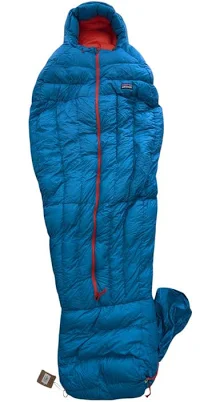
- Down fill + nylon or polyester shell with water-repellent coating treatment
- The brand calls it PFAS-free, which we have not verified
- PFAS
2 hazards checked on this product, all on its full breakdown.
Find an alternative on AmazonMore sleeping bags grades
How we score, every product runs through the same public 0-100 rubric based on materials, coatings, brand disclosure, lab findings, and recalls. See the full methodology → Spotted a mistake? Report an error.