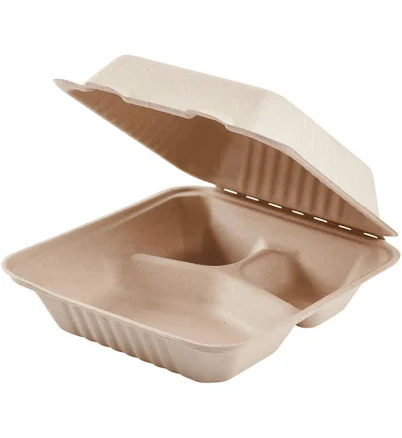
8 3-Compartment Hinged Containers
Avoid until the brand discloses what chemicals make it grease-resistant.
These polypropylene containers likely have grease-resistant coatings, a typical application for PFAS treatments. The brand offers no public PFAS information or certifications, making the risk difficult to assess.
The better-graded swap
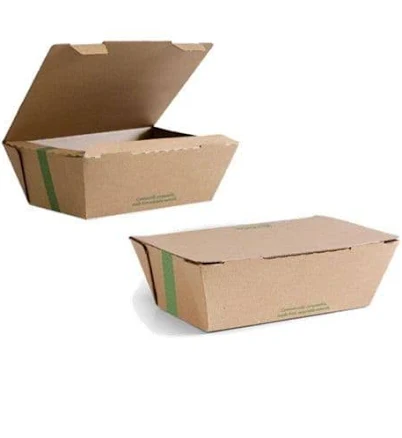
Vegware
Vegware Compostable Microflute Takeaway Box
100/100 safety
Same rubric that flunked this product. The swap earned Excellent.
Still want this one anyway? Check the price on Amazon. We’d swap it.
Material
Polypropylene (PP) hinged container, likely grease-resistant coating
Brand disclosure
Brand is silent on PFAS
Lab data
No public lab test
You may also be interested in
Top-graded picks in the categories readers replace first, every one scored on the same rubric.

- polypropylene filter housing, carbon/sediment cartridge
- We found no PFAS statement from the brand
- Bacterial growth in spent cartridges
3 hazards checked on this product, all on its full breakdown.

Aquasure
Premier Series 75 GPD Under Sink Reverse Osmosis Water Filtration System
- RO membrane, carbon filters, stainless steel housing
- We found no PFAS statement from the brand
- Bacterial and microbial growth in housing and filters
4 hazards checked on this product, all on its full breakdown.

Avocado
Vegan Mattress
- organic cotton, natural latex, coconut coir, recycled steel coils
- The brand calls it PFAS-free, which we have not verified
- Heavy metals
2 hazards checked on this product, all on its full breakdown.
What 8 3-Compartment Hinged Containers is made of, ingredients and materials
These are polypropylene (PP, #5 plastic) hinged clamshell containers, a food-contact material generally considered lower-hazard than #6 PS or #7 polycarbonate. Polypropylene itself has no known endocrine disruptors or primary carcinogens at normal use temperatures. However, the grease-resistant coating applied to the interior is the critical unknown, manufacturers typically use fluorinated compounds to repel oils and moisture, and the brand has made no public disclosure of which chemicals achieve this, creating opacity around potential PFAS or other fluorinated alternatives of unclear safety.
What’s concerning
Category baseline
The starting point for this type of product, before anything specific to this product is counted.
No PFAS disclosure
No public statement from the brand about PFAS in this product.
Waterproof / stain-resistant treatment
Water-repellent coating treatments have historically used PFAS.
Fluorinated coating compounds (undisclosed)
Grease-resistant coatings on food-contact PP are typically fluorinated (PFOA, PFOS, or GenX-class alternatives). The brand's silence on which chemicals are used prevents risk assessment. Even 'short-chain' PFAS alternatives persist in the environment and bioaccumulate.
Polymer leaching under heat or acid
Polypropylene can leach oligomers and residual monomers if exposed to microwave heat, fatty foods, or acidic liquids. The grease-resistant coating may also degrade and release breakdown products under these conditions, though no specific recalls for containers are on record.
Coating wear and consumption
With repeated washing, stacking, and use, the fluorinated or polymeric coating can peel or fragment. Ingestion of coating particles is unlikely to cause acute harm but underscores the importance of replacing worn containers.
Microplastic generation during use
Any plastic container can shed microparticles through mechanical wear. The scale and composition of shedding from these hinged containers is not quantified in published studies, but disposal and reuse amplify the problem.
What’s reassuring
BPA & bisphenols
Modern PP manufacturing in developed countries typically avoids BPA; antimony (used as a polymerization catalyst) can migrate in trace amounts but is not flagged as a concern for polypropylene food contact in FDA or EU guidance.
Source, FDA ↗How is this PFAS grade calculated?
The brand's record and disclosure
The brand has not published transparent ingredient disclosures or PFAS safety statements in publicly available materials reviewed here. The brand offers no third-party certifications (e.g., GreenGuard, FDA pre-approval testing) that would reduce this opacity. This silence is noteworthy because major competitors (e.g., Footprint, World Centric) have begun voluntarily disclosing fluorine-free or PFAS-free claims in response to regulatory and consumer pressure. The brand's lack of such positioning suggests either the coatings are conventional (fluorinated) or the brand has not prioritized transparency.
How it compares in its category
Hinged PP containers dominate foodservice globally and show lower concern than foam or coated paperboard regarding heat and moisture resistance. However, comparison depends on coating choice, brands using silicone or wax-based water barriers (instead of fluorinated coatings) exist but are less common. The brand's product lacks certification or public testing data that would distinguish it from mid-range offerings; premium alternatives (e.g., World Centric's compostable containers) come with explicit PFAS-free or recycled-content claims, while budget competitors often match the brand's silence.
If you buy it
Use for cold or warm foods only; polypropylene begins softening above 160F and can leach additives if regularly microwaved or filled with hot oils. Do not store acidic foods (vinegar, citrus, tomato) for extended periods, as acids can degrade polymers and coatings. Replace containers after heavy or prolonged use, especially if the interior coating shows wear or cloudiness. Wash by hand (avoid dishwasher heat) and inspect regularly for cracks, discoloration, or grease that won't rinse off, all signs of coating breakdown.
What is not known about PFAS in this product?
- Basis
- Model estimate, 42% confidence, not a lab result
- Lab test
- None on record for this exact product
- Brand statement
- has made none
Formulations change between production runs, so check the current label. How we grade.
What are the PFAS-free alternatives to 8 3-Compartment Hinged Containers?
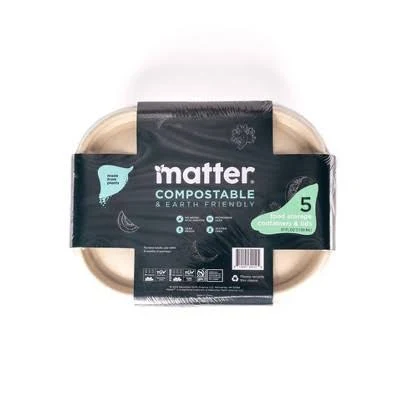
- Plant-based fiber pulp (compostable)
- A third party reports verifying it as PFAS-free
- Microbe/mold growth if stored damp
2 hazards checked on this product, all on its full breakdown.
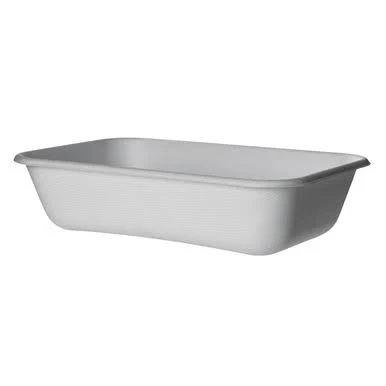
Eco-Products
Eco Products WorldView Compostable Take-Out Containers EP-SCRC32
- Plant-based fiber (compostable sugarcane bagasse)
- A third party reports verifying it as PFAS-free
- Bleaching agents and processing residues
3 hazards checked on this product, all on its full breakdown.
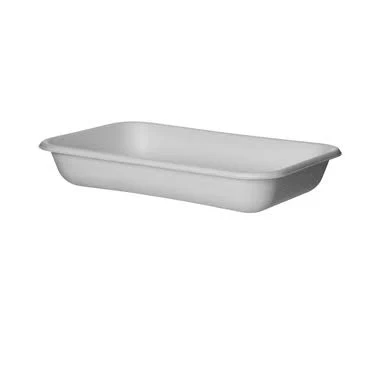
Eco-Products
WorldView Sugarcane Take-Out Containers
- Sugarcane bagasse (post-consumer fiber)
- A third party reports verifying it as PFAS-free
- Cellulose fiber degradation and food contact
2 hazards checked on this product, all on its full breakdown.
More food packaging grades
How we score, every product runs through the same public 0-100 rubric based on materials, coatings, brand disclosure, lab findings, and recalls. See the full methodology → Spotted a mistake? Report an error.