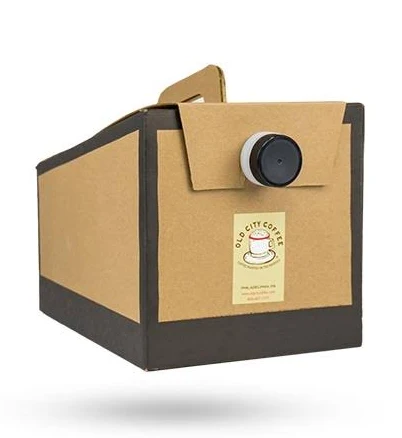
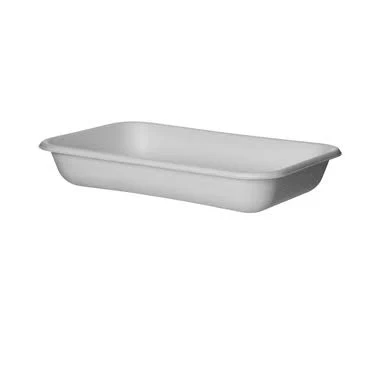
Eco Friendly Coffee Take Out Container
Skip until coating is revealed; compostable fiber containers often use PFAS-based water barriers.
Containers require water-resistant coatings to prevent fluid leakage, yet the coating remains unspecified. Many commercial compostable containers rely on PFAS-based barriers.
The better-graded swap
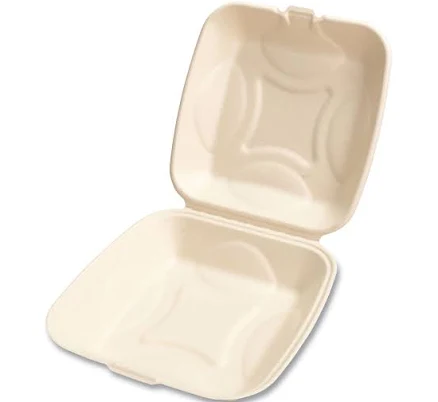
Bagasse
Bagasse PFAS-Free Food Containers
95/100 safety
Same rubric that flunked this product. The swap earned Excellent.
Still want this one anyway? Check the price on Amazon. We’d swap it.
Material
Compostable fiber-based container with unspecified water-resistant coating
Brand disclosure
Brand is silent on PFAS
Lab data
No public lab test
You may also be interested in
Top-graded picks in the categories readers replace first, every one scored on the same rubric.

- polypropylene filter housing, carbon/sediment cartridge
- We found no PFAS statement from the brand
- Bacterial growth in spent cartridges
3 hazards checked on this product, all on its full breakdown.

Aquasure
Premier Series 75 GPD Under Sink Reverse Osmosis Water Filtration System
- RO membrane, carbon filters, stainless steel housing
- We found no PFAS statement from the brand
- Bacterial and microbial growth in housing and filters
4 hazards checked on this product, all on its full breakdown.

Avocado
Vegan Mattress
- organic cotton, natural latex, coconut coir, recycled steel coils
- The brand calls it PFAS-free, which we have not verified
- Heavy metals
2 hazards checked on this product, all on its full breakdown.
What Eco Friendly Coffee Take Out Container is made of, ingredients and materials
This container is fiber-based (likely bleached kraft paper or molded fiber pulp) with an undisclosed water-resistant coating. Fiber alone is porous and unsuitable for hot or greasy foods, so manufacturers add barriers, typically either wax, polyethylene, or PFAS-based fluorinated coatings. The brand has not publicly specified which approach the brand uses. Without this disclosure, the safety profile cannot be reliably assessed.
What’s concerning
Category baseline
The starting point for this type of product, before anything specific to this product is counted.
Vague safety claims only
Uses vague language ("eco-friendly", "clean") without a specific PFAS statement.
Waterproof / stain-resistant treatment
Water-repellent coating treatments have historically used PFAS.
PFAS
Fiber-based food containers commonly use PFAS Teflon-family coating coatings for grease and water resistance. The brand's silence on this topic and lack of public material disclosure is consistent with unrevealed PFAS use; migration into hot or fatty foods is an established migration pathway.
Source, ATSDR ↗Coating degradation and microparticle release
Unknown coating composition means inability to assess durability. Degraded or poorly bonded coatings can flake into food, especially during heating or with acidic beverages. Without material specifications, durability cannot be verified.
Leaching from unspecified additives in pulp
Fiber pulp may contain bleach residues (chlorine compounds), sizing agents, or processing aids not fully removed. Food-contact fiber containers are not consistently regulated for trace chemical residues; The brand provides no testing data.
Bacterial growth if reused or stored wet
Fiber containers absorb moisture, creating an environment for microbial growth if rinsed and reused. These are designed for single-use, but compostable marketing may encourage reuse without clear guidance.
What’s reassuring
Heavy metals
No recalls or documented contamination for this brand are on record. However, exterior printing inks on food-contact containers should be food-safe; without certification (e.g., FDA Title 21 CFR 178 compliance) this cannot be confirmed for this product.
Source, FDA ↗How is this PFAS grade calculated?
The brand's record and disclosure
The brand offers no public material specification sheet, coating composition, or third-party testing documentation on their website or packaging. The brand's silence on PFAS specifically, combined with the material category (food-contact fiber containers), aligns with an industry-wide pattern of PFAS use in compostable food packaging that is not voluntarily disclosed. No independent certifications from NSF, FDA compliance letters, or compostability standards with hazard limits are on record.
How it compares in its category
Fiber-based compostable containers are marketed as eco-friendly but rank lower in food safety transparency than rigid plastic or aluminum alternatives, which typically carry detailed material certifications. Competitors such as Vegware or Footprint publish full coating information (e.g., PHA-based or wax barriers); The brand does not. This lack of disclosure places it below industry leaders on the safety and trust spectrum for a single-use food contact application.
If you buy it
Do not heat this container in a microwave or use for hot liquids above 60 degrees Celsius without confirming the coating stability from the manufacturer. If you do purchase, contact directly and request a material safety data sheet (MSDS) or coating specification before use with hot beverages. Inspect for visible coating degradation (peeling, brittleness) before each use. Store in cool, dry conditions away from moisture and oils to prevent premature breakdown.
What is not known about PFAS in this product?
- Basis
- Model estimate, 32% confidence, not a lab result
- Lab test
- None on record for this exact product
- Brand statement
- has made none
Formulations change between production runs, so check the current label. How we grade.
What are the PFAS-free alternatives to Eco Friendly Coffee Take Out Container?
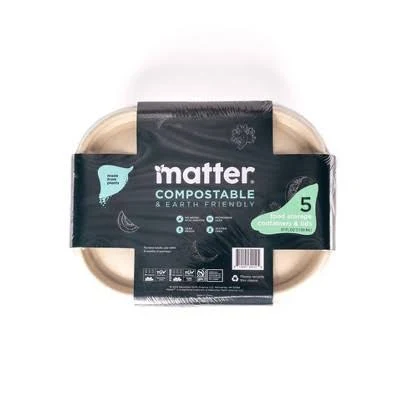
- Plant-based fiber pulp (compostable)
- A third party reports verifying it as PFAS-free
- Microbe/mold growth if stored damp
2 hazards checked on this product, all on its full breakdown.
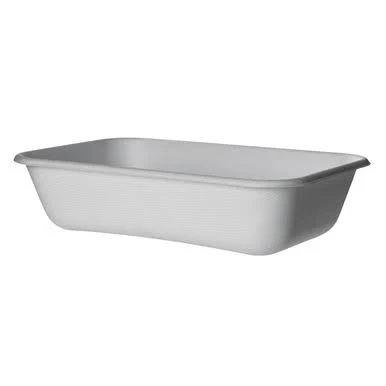
Eco-Products
Eco Products WorldView Compostable Take-Out Containers EP-SCRC32
- Plant-based fiber (compostable sugarcane bagasse)
- A third party reports verifying it as PFAS-free
- Bleaching agents and processing residues
3 hazards checked on this product, all on its full breakdown.
Eco-Products
WorldView Sugarcane Take-Out Containers
- Sugarcane bagasse (post-consumer fiber)
- A third party reports verifying it as PFAS-free
- Cellulose fiber degradation and food contact
2 hazards checked on this product, all on its full breakdown.
More food packaging grades
How we score, every product runs through the same public 0-100 rubric based on materials, coatings, brand disclosure, lab findings, and recalls. See the full methodology → Spotted a mistake? Report an error.