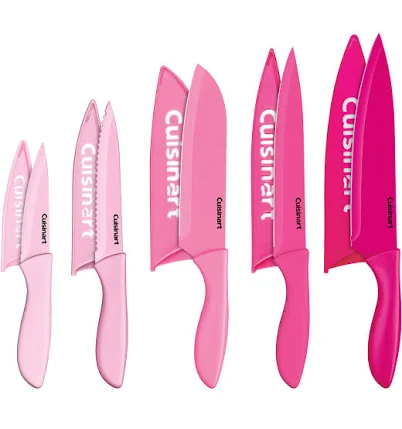
Cuisinart · Non-Stick Knife Sets
Cuisinart Advantage 10pc Ceramic Coated Knife Set, Is It Non-Toxic?
Ceramic-coated knife set with no PFAS statement on record from Cuisinart.
Material as recorded is ceramic-coated stainless steel blades. Cuisinart has no PFAS statement on record. No coating recall or lab data on record for this product.
Still want this one anyway? Check the price on Amazon. We’d swap it.
Material
Ceramic-coated stainless steel blades
Lab data
No public lab test
You may also be interested in
Top-graded picks in the categories readers replace first, every one scored on the same rubric.

- polypropylene filter housing, carbon/sediment cartridge
- We found no PFAS statement from the brand
- Bacterial growth in spent cartridges
3 hazards checked on this product, all on its full breakdown.

Aquasure
Premier Series 75 GPD Under Sink Reverse Osmosis Water Filtration System
- RO membrane, carbon filters, stainless steel housing
- We found no PFAS statement from the brand
- Bacterial and microbial growth in housing and filters
4 hazards checked on this product, all on its full breakdown.

Avocado
Vegan Mattress
- organic cotton, natural latex, coconut coir, recycled steel coils
- The brand calls it PFAS-free, which we have not verified
- Heavy metals
2 hazards checked on this product, all on its full breakdown.
Is Cuisinart Advantage 10pc Coated Knife Set non-toxic? What it is made of
These knives feature stainless steel blades with ceramic nanoparticle coatings applied to the blade surface. Ceramic coatings are inorganic and chemically stable, meaning they do not leach harmful organics like BPA or phthalates into food during normal use. The coating reduces friction and prevents food sticking without relying on Teflon-family coating chemistry (Teflon-type coating/PFOA), making them a lower-toxicity alternative to traditional non-stick knife sets. Stainless steel itself is considered food-safe under standard use conditions.
What’s concerning
Category baseline
The starting point for this type of product, before anything specific to this product is counted.
No PFAS disclosure
No public statement from the brand about PFAS in this product.
Ceramic coating degradation and microparticles
Ceramic coatings can chip or flake with repeated use or improper care, potentially releasing small ceramic particles into food. Risk increases with dishwasher use or acidic cooking; no recalls reported for this specific product, but degradation is a known long-term wear pattern in ceramic knife sets.
What’s reassuring
Base material not linked to PFAS
The main material recorded for this product is not one associated with PFAS.
Heavy metals
Ceramic coatings may contain trace metals (e.g., iron oxides for color), but leaching into food is not documented in published testing or recalls for ceramic knife sets. Inorganic ceramic structure makes migration unlikely under normal cooking conditions.
Source, FDA ↗Stainless steel blade leaching (nickel/chromium)
Food-grade stainless steel is regulated; nickel and chromium migration into food is lower at room temperature and neutral pH. No documented risk specific to Cuisinart stainless steel knives or this category in standard food safety databases.
Teflon-type coating/PFOA contamination
Ceramic coatings do not contain Teflon-type coating or traditional Teflon-family coating; this product avoids the primary non-stick toxicity concern. Coating chemistry is fundamentally different from Teflon-type coating-based non-stick cookware.
Handle material safety
Ceramiccoated knife sets typically use stainless steel or molded polymer handles; no formaldehyde or phthalate risk is documented for Cuisinart handles. Standard kitchenware handle materials carry minimal toxicity risk under normal use.
How is this PFAS grade calculated?
The brand's record and disclosure
Cuisinart does not publicly disclose detailed coating chemistry or PFAS avoidance statements for this product line. The brand has no major recalls or documented safety controversies on knife sets in public databases. Cuisinart is owned by Conair and operates primarily in the kitchenware space; they have not faced regulatory action or lawsuits specific to ceramic knife coating toxicity. Absence of disclosure does not indicate a problem, but it reflects common industry practice of minimal transparency on coating formulations.
How it compares in its category
Ceramic-coated knives occupy a middle ground, they are not a material linked to Teflon-type coating, but may chip or degrade faster than uncoated stainless steel or carbon steel alternatives. Most ceramic knife sets in this price range use similar chemistry; Cuisinart's offering is typical rather than premium in coating durability. Uncoated stainless steel knives have longer lifespans but require more skill to maintain; ceramic-coated sets trade longevity for easier food release and cleanup.
If you buy it
Hand-wash only to preserve coating integrity; dishwasher use accelerates chipping and exposes coating to alkaline detergents. Avoid high-temperature exposure or sustained contact with acidic foods, which can degrade ceramic over 2-3 years. Replace knives if coating chips to prevent microparticles in food and loss of non-stick function. Store with blade guards and keep away from hard surfaces to minimize impact damage that initiates flaking.
What is not known about PFAS in this product?
- Basis
- Model estimate, 78% confidence, not a lab result
- Lab test
- None on record for this exact product
- Brand statement
- Cuisinart has made a specific claim
Formulations change between production runs, so check the current label. How we grade.
What are the PFAS-free alternatives to Cuisinart Advantage 10pc Ceramic Coated Knife Set?
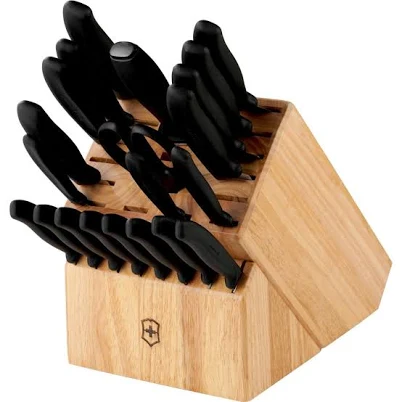
- Stainless steel blades; wood, plastic, or composite handles
- We found no PFAS statement from the brand
- Wood handle degradation and moisture damage
2 hazards checked on this product, all on its full breakdown.
Find an alternative on Amazon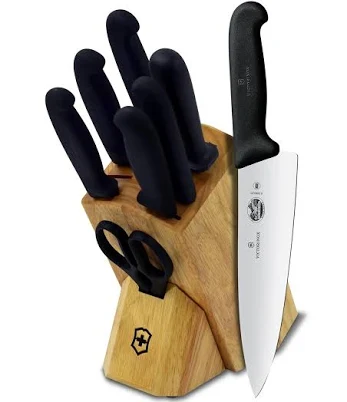
- Stainless steel blades, Fibrox composite handles
- We found no PFAS statement from the brand
- Polymer leaching (Fibrox composite)
3 hazards checked on this product, all on its full breakdown.
Find an alternative on Amazon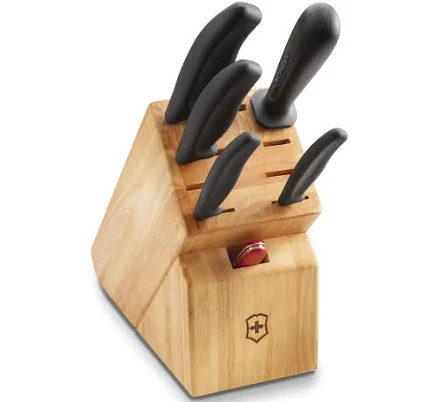
- Stainless steel blades, hardwood handles
- We found no PFAS statement from the brand
- Wood handle microbial contamination and moisture damage
2 hazards checked on this product, all on its full breakdown.
Find an alternative on AmazonMore non-stick knife sets grades
How we score, every product runs through the same public 0-100 rubric based on materials, coatings, brand disclosure, lab findings, and recalls. See the full methodology → Spotted a mistake? Report an error.