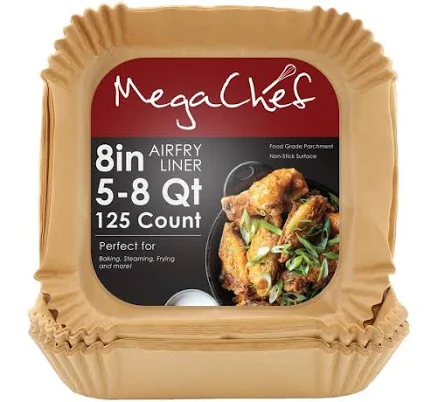
Air Fryer Paper Liner (generic)
Elevated PFAS concern from grease-barrier treatments in liners.
Generic air fryer paper liners use grease-resistant treatments standard in heat-resistant food contact paper products.
The better-graded swap
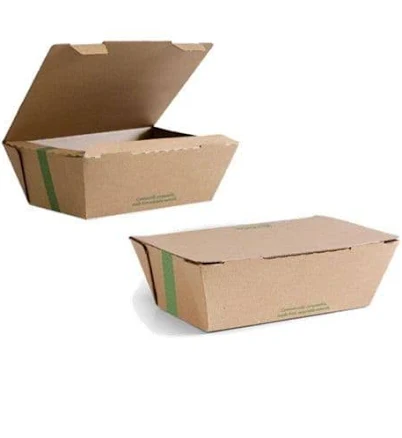
Vegware
Vegware Compostable Microflute Takeaway Box
100/100 safety
Same rubric that flunked this product. The swap earned Excellent.
Still want this one anyway? Check the price on Amazon. We’d swap it.
You may also be interested in
Top-graded picks in the categories readers replace first, every one scored on the same rubric.

- polypropylene filter housing, carbon/sediment cartridge
- We found no PFAS statement from the brand
- Bacterial growth in spent cartridges
3 hazards checked on this product, all on its full breakdown.

Aquasure
Premier Series 75 GPD Under Sink Reverse Osmosis Water Filtration System
- RO membrane, carbon filters, stainless steel housing
- We found no PFAS statement from the brand
- Bacterial and microbial growth in housing and filters
4 hazards checked on this product, all on its full breakdown.

Avocado
Vegan Mattress
- organic cotton, natural latex, coconut coir, recycled steel coils
- The brand calls it PFAS-free, which we have not verified
- Heavy metals
2 hazards checked on this product, all on its full breakdown.
What Air Fryer Paper Liner (generic) is made of, ingredients and materials
Air fryer paper liners are typically bleached kraft paper or cellulose-based stock treated with a grease-barrier coating to prevent oil seepage and food sticking. The barrier coating is usually fluorochemical (Teflon-type coating or related PFAS compounds) or, less commonly, silicone or wax. Generic products rarely disclose which treatment method they use, making it impossible to assess PFAS exposure on a per-product basis. The paper substrate itself is generally food-safe when unbleached or chlorine-free-bleached, but the coating is the critical variable.
What’s concerning
Category baseline
The starting point for this type of product, before anything specific to this product is counted.
No PFAS disclosure
No public statement from the brand about PFAS in this product.
Unknown / proprietary coating
A coating is recorded with no disclosed chemistry.
PFAS
Generic air fryer liners almost certainly use fluorochemical (PFAS) treatments to achieve water and grease resistance. Migration into fatty foods (which air fryers produce) is elevated compared to dry-food packaging, and PFAS accumulation in the body is a documented concern from repeated dietary exposure.
Source, ATSDR ↗Microplastics
At high air fryer temperatures or with repeated creasing and handling, the paper substrate and its synthetic coating may fragment into small particles that contaminate food. Generic liners often use thinner paper stocks that are more prone to tearing and shedding.
Source, EPA ↗Formaldehyde / VOCs
Chlorine-bleached kraft paper and some synthetic binders used in grease-barrier treatments may contain residual formaldehyde or formaldehyde precursors. Food contact at elevated temperatures can increase volatilization and absorption, though documented cases are rare.
Source, ATSDR ↗Coating loss and food contamination
Generic liners are prone to peeling, flaking, or disintegrating after one or two uses, especially at high temperatures or with acidic or fatty foods. User reports on retail sites indicate scattered instances of coating fragments in food, though causation is not formally verified.
What’s reassuring
Heavy metals
No recalls or reports of lead, cadmium, or other heavy metals in generic air fryer liners are on record. Bleaching standards for food-contact paper are regulated, though enforcement varies by manufacturer and region.
Source, FDA ↗How is this PFAS grade calculated?
The brand's record and disclosure
Generic air fryer liners have no established brand identity and therefore no publicly available disclosure, certification, or safety record to evaluate. Most generic products sold through major retailers lack third-party testing certifications (such as FDA compliance statements or GOTS certification) specific to PFAS content. No major recalls have been reported for generic air fryer liners as a category, but absence of reporting does not mean absence of contamination; it reflects the low scrutiny applied to this product type.
How it compares in its category
Air fryer liners are a niche subcategory of food contact packaging. Compared to reusable silicone mats or ceramic-coated air fryer baskets, single-use paper liners inherently require a water-resistant or grease-resistant finish, which historically relies on PFAS compounds. Some newer branded liners (e.g., certain premium lines) now market PFAS-free or Teflon-type coating-free formulations, but generic products almost always default to traditional fluorochemical coatings because they are cheaper and more effective. Generic liners occupy the lower end of both cost and transparency.
If you buy it
Use liners only in air fryer baskets at or below the manufacturer's recommended temperature (typically 200-400F / 93-204C); do not exceed 400F, as heat can accelerate PFAS migration and degrade the paper substrate. Replace liners after each use rather than reusing them; once oily or charred, they may shed particles or leach coatings more readily. Store unopened packages in a cool, dry place away from direct sunlight, as moisture and heat can degrade packaging integrity. Consider switching to silicone reusable mats or unlined baskets cleaned immediately after use as a lower-risk alternative.
What is not known about PFAS in this product?
- Basis
- Model estimate, 100% confidence, not a lab result
- Lab test
- None on record for this exact product
- Brand statement
- Generic has made a specific claim
Formulations change between production runs, so check the current label. How we grade.
What are the PFAS-free alternatives to Air Fryer Paper Liner (generic)?
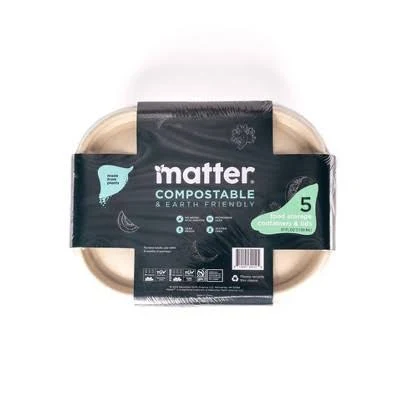
- Plant-based fiber pulp (compostable)
- A third party reports verifying it as PFAS-free
- Microbe/mold growth if stored damp
2 hazards checked on this product, all on its full breakdown.
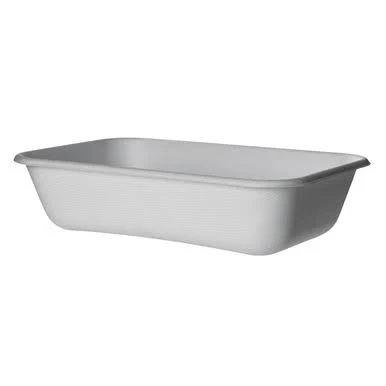
Eco-Products
Eco Products WorldView Compostable Take-Out Containers EP-SCRC32
- Plant-based fiber (compostable sugarcane bagasse)
- A third party reports verifying it as PFAS-free
- Bleaching agents and processing residues
3 hazards checked on this product, all on its full breakdown.
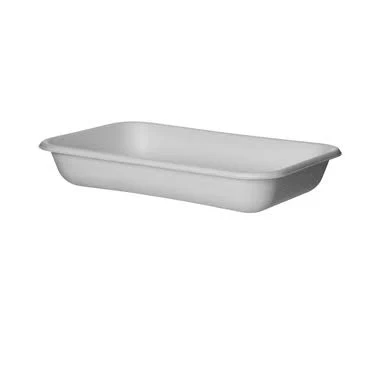
Eco-Products
WorldView Sugarcane Take-Out Containers
- Sugarcane bagasse (post-consumer fiber)
- A third party reports verifying it as PFAS-free
- Cellulose fiber degradation and food contact
2 hazards checked on this product, all on its full breakdown.
More food packaging grades
How we score, every product runs through the same public 0-100 rubric based on materials, coatings, brand disclosure, lab findings, and recalls. See the full methodology → Spotted a mistake? Report an error.