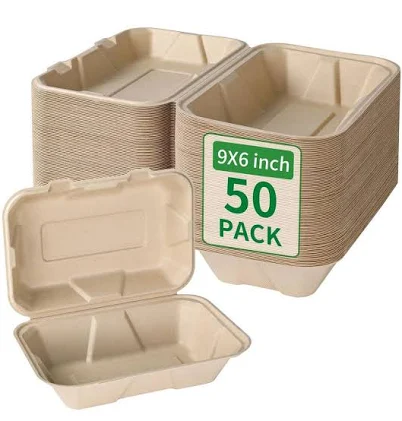
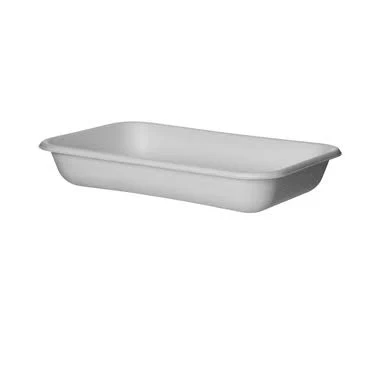
Compostable Takeout Container (generic)
Moderate PFAS concern from standard water-resistant coating practices.
Compostable takeout containers often require water and grease-resistant coatings to function, which traditionally relied on PFAS compounds.
The better-graded swap
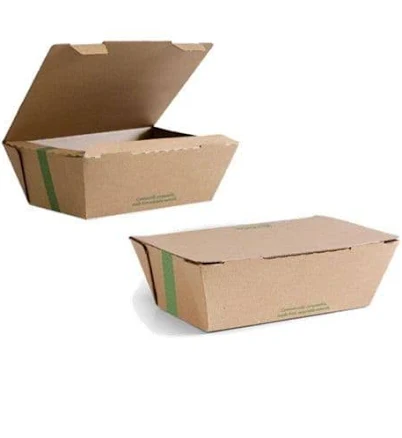
Vegware
Vegware Compostable Microflute Takeaway Box
100/100 safety
Same rubric that flunked this product. The swap earned Excellent.
Still want this one anyway? Check the price on Amazon. We’d swap it.
You may also be interested in
Top-graded picks in the categories readers replace first, every one scored on the same rubric.

- polypropylene filter housing, carbon/sediment cartridge
- We found no PFAS statement from the brand
- Bacterial growth in spent cartridges
3 hazards checked on this product, all on its full breakdown.

Aquasure
Premier Series 75 GPD Under Sink Reverse Osmosis Water Filtration System
- RO membrane, carbon filters, stainless steel housing
- We found no PFAS statement from the brand
- Bacterial and microbial growth in housing and filters
4 hazards checked on this product, all on its full breakdown.

Avocado
Vegan Mattress
- organic cotton, natural latex, coconut coir, recycled steel coils
- The brand calls it PFAS-free, which we have not verified
- Heavy metals
2 hazards checked on this product, all on its full breakdown.
What Compostable Takeout Container (generic) is made of, ingredients and materials
Generic compostable takeout containers are typically molded from plant-based plastics (PLA, bagasse, or blends) or fiber-based materials laminated with barrier coatings. The coating is the critical unknown, water and grease resistance in compostable containers often relies on synthetic polymer or wax-based films, some of which incorporate PFAS to achieve food-contact performance. Without material disclosure from the vendor, you cannot distinguish between low-risk (plant wax, silicone) and higher-risk (fluorinated polymer) barriers.
What’s concerning
Category baseline
The starting point for this type of product, before anything specific to this product is counted.
Vague safety claims only
Uses vague language ("eco-friendly", "clean") without a specific PFAS statement.
Unknown / proprietary coating
A coating is recorded with no disclosed chemistry.
PFAS
Compostable containers' water-and-grease resistance routinely relies on fluorinated polymer or Teflon-type coating-family coatings applied to fiber or PLA substrates. Generic products rarely disclose this; PFAS migration risk increases with heat, acidic food contact, or coating degradation.
Source, ATSDR ↗Coating migration and leaching (unspecified chemicals)
Lamination adhesives and barrier polymers on compostable containers may leach if the coating is damaged or if the product is used with hot, fatty, or acidic foods. Identity and safety profile of these migrants depends entirely on the undisclosed coating chemistry.
Microplastics
PLA-based containers can fragment into microparticles if scratched, overheated, or aged, shedding both polymer and coating fragments into food. Risk is low in normal use but increases if containers are reused or exposed to wear.
Source, EPA ↗Incomplete compostability and industrial-use-only limitations
Many generic compostable containers require industrial composting (temperatures above 58°C) and will not break down in home compost or landfill, potentially creating a false sense of environmental safety and misuse risk if treated as home-compostable.
What’s reassuring
BPA & bisphenols
Compostable fiber containers sometimes use epoxy-based adhesives or printing inks that may contain bisphenols; however, no widespread recalls or reports implicate generic compostable takeout containers specifically. Verify ink declarations if containers are printed.
Source, FDA ↗How is this PFAS grade calculated?
The brand's record and disclosure
Generic products lack individual brand accountability and certification transparency. Purchase decisions depend entirely on the specific vendor's packaging label, safety data sheets, or third-party certifications (BPI compostability, FDA food-contact approval). Most generic compostable containers do not publicly disclose PFAS content or coatings chemistry; this absence is a red flag, not a guarantee of safety. Reputable vendors (e.g., those certified by Sustainable Packaging Coalition) are more likely to provide material composition.
How it compares in its category
Compostable containers occupy a middle ground, they avoid persistent plastic accumulation but introduce coating chemistry uncertainty that conventional polystyrene or uncoated cardboard do not. Uncoated cardboard boxes have no fluorinated barrier and are lower-risk for PFAS but may be less grease-resistant. PLA alone is not a material linked to PFAS but requires a barrier layer to hold wet or oily foods, reintroducing the coating hazard. Generic compostables prioritize cost over disclosure, making them riskier than branded, certified alternatives.
If you buy it
Use these containers for dry or low-moisture foods (pastries, sandwiches, takeout salads without dressing) rather than soups or greasy items that stress the barrier coating. Do not microwave or heat above 50-60°C, as heat can degrade the coating and increase migration of barrier chemicals into food. Check the vendor website or contact supplier for material composition and PFAS testing before bulk purchase. Replace or refuse containers showing visible damage, clouding, or coating flaking, as compromised barriers lose their safety margin.
What is not known about PFAS in this product?
- Basis
- Model estimate, 100% confidence, not a lab result
- Lab test
- None on record for this exact product
- Brand statement
- Generic has made a specific claim
Formulations change between production runs, so check the current label. How we grade.
What are the PFAS-free alternatives to Compostable Takeout Container (generic)?
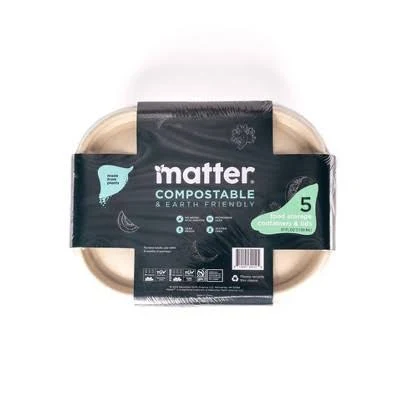
- Plant-based fiber pulp (compostable)
- A third party reports verifying it as PFAS-free
- Microbe/mold growth if stored damp
2 hazards checked on this product, all on its full breakdown.
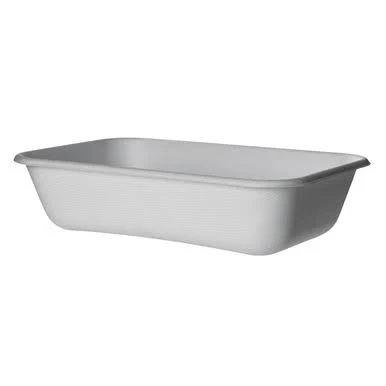
Eco-Products
Eco Products WorldView Compostable Take-Out Containers EP-SCRC32
- Plant-based fiber (compostable sugarcane bagasse)
- A third party reports verifying it as PFAS-free
- Bleaching agents and processing residues
3 hazards checked on this product, all on its full breakdown.
Eco-Products
WorldView Sugarcane Take-Out Containers
- Sugarcane bagasse (post-consumer fiber)
- A third party reports verifying it as PFAS-free
- Cellulose fiber degradation and food contact
2 hazards checked on this product, all on its full breakdown.
More food packaging grades
How we score, every product runs through the same public 0-100 rubric based on materials, coatings, brand disclosure, lab findings, and recalls. See the full methodology → Spotted a mistake? Report an error.