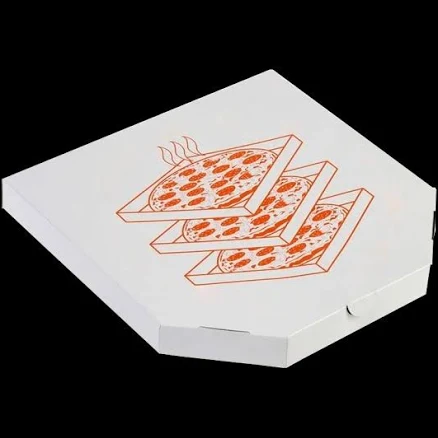
Fast-Food Pizza Box (generic)
Elevated PFAS concern from standard pizza box grease barriers.
Generic pizza boxes use grease-resistant coatings necessary to prevent oil penetration in food contact materials.
The better-graded swap
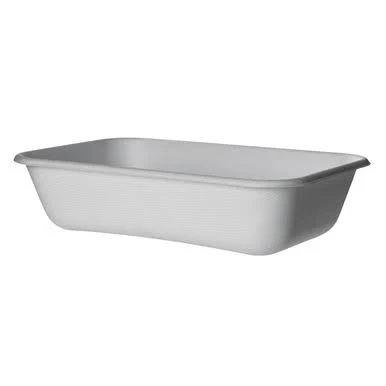
Eco-Products
Eco Products WorldView Compostable Take-Out Containers EP-SCRC32
100/100 safety
Same rubric that flunked this product. The swap earned Excellent.
Still want this one anyway? Check the price on Amazon. We’d swap it.
You may also be interested in
Top-graded picks in the categories readers replace first, every one scored on the same rubric.

- polypropylene filter housing, carbon/sediment cartridge
- We found no PFAS statement from the brand
- Bacterial growth in spent cartridges
3 hazards checked on this product, all on its full breakdown.

Aquasure
Premier Series 75 GPD Under Sink Reverse Osmosis Water Filtration System
- RO membrane, carbon filters, stainless steel housing
- We found no PFAS statement from the brand
- Bacterial and microbial growth in housing and filters
4 hazards checked on this product, all on its full breakdown.

Avocado
Vegan Mattress
- organic cotton, natural latex, coconut coir, recycled steel coils
- The brand calls it PFAS-free, which we have not verified
- Heavy metals
2 hazards checked on this product, all on its full breakdown.
What Fast-Food Pizza Box (generic) is made of, ingredients and materials
Fast-food pizza boxes are typically virgin or recycled kraft paperboard with a thin plastic or wax-based grease barrier on the interior surface. This barrier prevents oils and moisture from the pizza from saturating and weakening the cardboard structure. The grease barrier material is often not disclosed publicly and may contain PFAS-based fluorinated coatings, silicone compounds, or mineral oil, each with different migration risks when exposed to heat and fatty foods.
What’s concerning
No PFAS disclosure
No public statement from the brand about PFAS in this product.
Category baseline
The starting point for this type of product, before anything specific to this product is counted.
Unknown / proprietary coating
A coating is recorded with no disclosed chemistry.
PFAS
Fluorochemical grease barriers in pizza boxes have been detected by independent researchers and documented in FDA and EPA reports. Migration increases with temperature and fatty content, particularly in the first 30-60 minutes of contact.
Source, ATSDR ↗Mineral oil or petroleum distillate migration
Some pizza box coatings use food-grade mineral oil or highly refined paraffin. While legal, chronic low-level ingestion of mineral oil has limited safety data. Actual migration rate depends on coating type and food temperature, neither disclosed on generic boxes.
Recycled fiber contaminants (if recycled cardboard used)
Recycled kraft cardboard may contain residues from prior packaging (inks, adhesives, prior PFAS exposure). FDA regulations limit migration, but no regular third-party testing of generic pizza boxes is publicly available.
Ink toxicity from exterior printing
Exterior logos and text use food-contact approved inks, but composition is rarely disclosed. Heavy metal content in pigments (e.g., lead chromate in yellow inks) is regulated but not monitored per-batch for generic products.
Moisture retention and mold/bacterial growth
Cardboard boxes retain condensation in closed storage. Prolonged storage (beyond 2-3 hours after hot pizza) can support bacterial or mold growth on the food-contact surface, especially if refrigerated in the box.
How is this PFAS grade calculated?
The brand's record and disclosure
Generic pizza boxes from regional and national chains rarely provide ingredient or material transparency on packaging or websites. Major chains have not published public commitments to barriers without added PFAS. Some larger manufacturers (e.g., Huhtamaki, Sealed Air) have begun phasing PFAS from food packaging under retailer pressure, but most small to mid-size operators lack documented reformulation timelines or third-party verification of barrier composition.
How it compares in its category
Pizza boxes occupy a high-risk niche within food packaging because they contain both heat and high-fat content, both of which increase chemical migration potential. Standard uncoated cardboard boxes degrade rapidly under grease and heat. PFAS-coated boxes perform better functionally but carry documented migration risk. Cardboard alternatives with barriers not formulated with added PFAS (clay-coated, chitosan-based, or silicone coatings) are emerging but remain rare in fast-food supply chains due to cost and performance trade-offs.
If you buy it
Store pizza in the box only for the immediate consumption window (under 2-3 hours if still warm). Transfer leftovers to glass or ceramic containers before refrigerating to minimize grease barrier contact over time. Avoid reusing pizza boxes for storage of non-food items, especially if children have hand-to-mouth contact afterward. Do not heat pizza directly in the box (use oven-safe dishes); this concentrates grease volatilization and chemical migration.
What is not known about PFAS in this product?
- Basis
- Model estimate, 100% confidence, not a lab result
- Lab test
- None on record for this exact product
- Brand statement
- Generic has made a specific claim
Formulations change between production runs, so check the current label. How we grade.
What are the PFAS-free alternatives to Fast-Food Pizza Box (generic)?
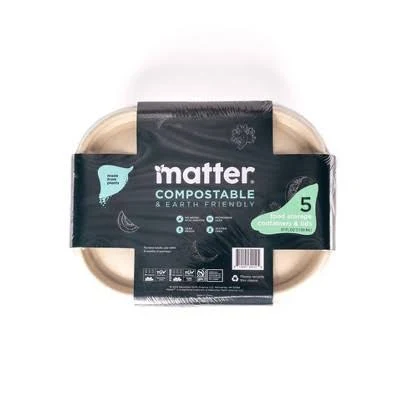
- Plant-based fiber pulp (compostable)
- A third party reports verifying it as PFAS-free
- Microbe/mold growth if stored damp
2 hazards checked on this product, all on its full breakdown.
Eco-Products
Eco Products WorldView Compostable Take-Out Containers EP-SCRC32
- Plant-based fiber (compostable sugarcane bagasse)
- A third party reports verifying it as PFAS-free
- Bleaching agents and processing residues
3 hazards checked on this product, all on its full breakdown.
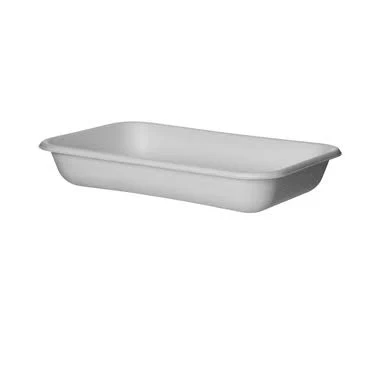
Eco-Products
WorldView Sugarcane Take-Out Containers
- Sugarcane bagasse (post-consumer fiber)
- A third party reports verifying it as PFAS-free
- Cellulose fiber degradation and food contact
2 hazards checked on this product, all on its full breakdown.
More food packaging grades
How we score, every product runs through the same public 0-100 rubric based on materials, coatings, brand disclosure, lab findings, and recalls. See the full methodology → Spotted a mistake? Report an error.