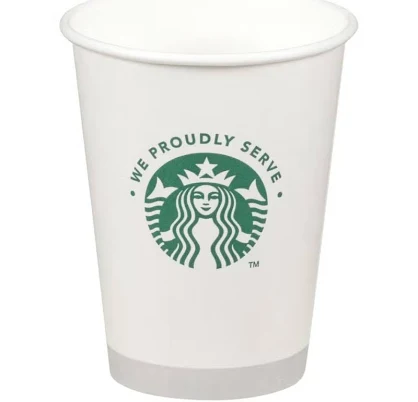
Starbucks Paper Cup
Moderate PFAS concern from typical cup lining chemistry.
Starbucks paper cups use water-resistant linings common in beverage packaging that frequently contain PFAS compounds.
The better-graded swap
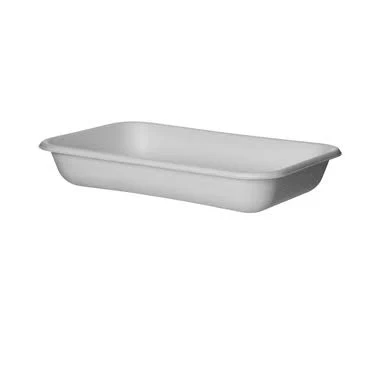
Eco-Products
Eco-Products WorldView Sugarcane Take-Out Containers
100/100 safety
Same rubric that flunked this product. The swap earned Excellent.
Still want this one anyway? Check the price on Amazon. We’d swap it.
You may also be interested in
Top-graded picks in the categories readers replace first, every one scored on the same rubric.

- polypropylene filter housing, carbon/sediment cartridge
- We found no PFAS statement from the brand
- Bacterial growth in spent cartridges
3 hazards checked on this product, all on its full breakdown.

Aquasure
Premier Series 75 GPD Under Sink Reverse Osmosis Water Filtration System
- RO membrane, carbon filters, stainless steel housing
- We found no PFAS statement from the brand
- Bacterial and microbial growth in housing and filters
4 hazards checked on this product, all on its full breakdown.

Avocado
Vegan Mattress
- organic cotton, natural latex, coconut coir, recycled steel coils
- The brand calls it PFAS-free, which we have not verified
- Heavy metals
2 hazards checked on this product, all on its full breakdown.
What Starbucks Paper Cup is made of, ingredients and materials
Starbucks paper cups are lined with polyethylene plastic to prevent liquid seepage and maintain structural integrity. This plastic lining is the primary concern because polyethylene coatings often contain PFAS chemicals (perfluorinated compounds) used to improve grease and water resistance. The paper substrate itself is inert, but the lining is in direct contact with hot beverages, which can increase migration of additives into the drink, especially for hot drinks served above 140°F.
What’s concerning
Category baseline
The starting point for this type of product, before anything specific to this product is counted.
Vague safety claims only
Uses vague language ("eco-friendly", "clean") without a specific PFAS statement.
Unknown / proprietary coating
A coating is recorded with no disclosed chemistry.
PFAS
Standard polyethylene-lined paper cups widely documented to contain PFAS; migration risk increases with hot liquids and higher temperatures. Starbucks has not publicly committed to transitioning toward alternatives with lower PFAS concern.
Source, ATSDR ↗BPA & bisphenols
Polyethylene linings may contain trace BPA or newer replacements (BPS/BPF) in adhesive layers bonding plastic to paper; specific data for Starbucks cups not publicly available.
Source, FDA ↗Phthalates
Polyethylene linings sometimes contain phthalate plasticizers to improve flexibility; Starbucks has not disclosed whether its formulation includes these additives.
Source, ATSDR ↗Coating degradation and microplastic release with heat
Hot beverages above 160°F can degrade polyethylene linings over time, potentially releasing plastic particles and accelerating chemical migration into drinks.
What’s reassuring
Chlorine or bleach residues from paper pulp bleaching
Paper cup pulp is typically chlorine-bleached; Starbucks does not disclose whether it uses elemental chlorine-free or total chlorine-free pulp, though residues are generally trace in food contact.
How is this PFAS grade calculated?
The brand's record and disclosure
Starbucks has not publicly disclosed the specific chemical composition of its cup linings or committed to PFAS-free alternatives company-wide as of available public records. The company has faced criticism from environmental and health advocacy groups regarding single-use cup waste and chemical safety, but has not issued detailed testing data or phase-out timelines for PFAS-containing linings. Starbucks recommends reusable cups for repeat customers but does not highlight cup lining chemistry in sustainability messaging.
How it compares in its category
Starbucks cups are functionally similar to most major coffee chains' cups and carry comparable PFAS concerns inherent to polyethylene-lined paper construction. Some independent manufacturers now offer alternatives with lower PFAS concern or compostable options, though their heat and liquid-retention performance is sometimes lower. The widespread use of standard polyethylene linings across the industry means Starbucks cups have similar PFAS concern profiles to typical competitors, but alternatives with lower concern exist for frequent consumers.
If you buy it
Allow hot beverages to cool slightly (below 160°F) before drinking to reduce chemical migration from the lining. Avoid repeatedly reusing disposable Starbucks cups, as repeated washing can degrade the lining coating and increase leaching. For frequent coffee drinkers, investing in a personal reusable cup substantially reduces cumulative PFAS and plastic exposure. Do not microwave or freeze Starbucks cups, as temperature extremes can compromise the polyethylene lining integrity.
What is not known about PFAS in this product?
- Basis
- Model estimate, 100% confidence, not a lab result
- Lab test
- None on record for this exact product
- Brand statement
- Starbucks has made a specific claim
Formulations change between production runs, so check the current label. How we grade.
What are the PFAS-free alternatives to Starbucks Paper Cup?
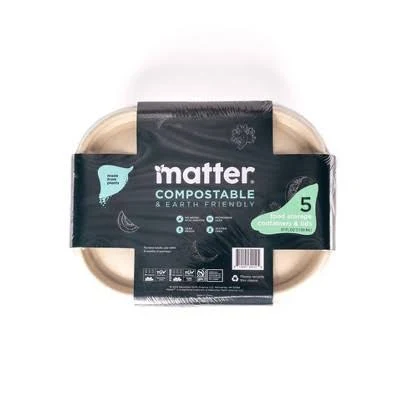
- Plant-based fiber pulp (compostable)
- A third party reports verifying it as PFAS-free
- Microbe/mold growth if stored damp
2 hazards checked on this product, all on its full breakdown.
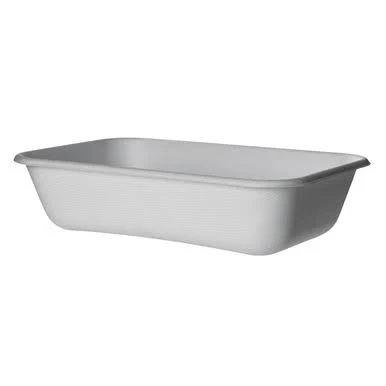
Eco-Products
Eco Products WorldView Compostable Take-Out Containers EP-SCRC32
- Plant-based fiber (compostable sugarcane bagasse)
- A third party reports verifying it as PFAS-free
- Bleaching agents and processing residues
3 hazards checked on this product, all on its full breakdown.
Eco-Products
WorldView Sugarcane Take-Out Containers
- Sugarcane bagasse (post-consumer fiber)
- A third party reports verifying it as PFAS-free
- Cellulose fiber degradation and food contact
2 hazards checked on this product, all on its full breakdown.
More food packaging grades
How we score, every product runs through the same public 0-100 rubric based on materials, coatings, brand disclosure, lab findings, and recalls. See the full methodology → Spotted a mistake? Report an error.