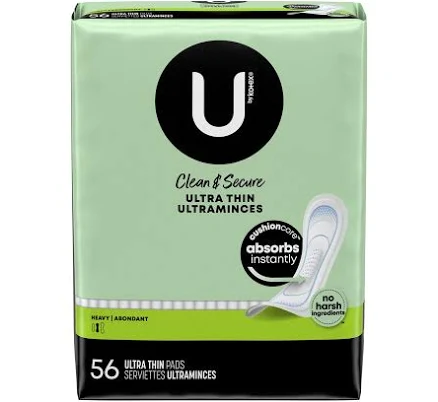
U by Kotex Clean & Secure Ultra Thin Pads
Skip until Kotex discloses waterproof layer chemistry; fluorinated coatings often used.
Waterproof backing prevents leaks, a function historically filled by PFAS-based treatments. Kotex doesn't claim PFAS-free status or provide verification.
The better-graded swap
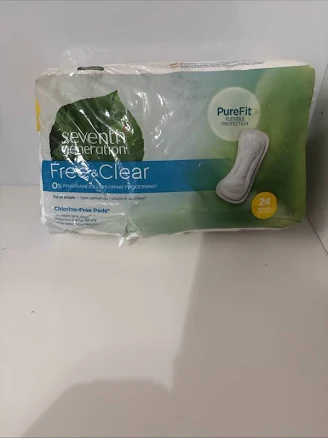
Seventh Generation
Seventh Generation Chlorine Free Maxi Pads
100/100 safety
Same rubric that flunked this product. The swap earned Excellent.
Still want this one anyway? Check the price on Amazon. We’d swap it.
Material
Nonwoven fibers (cellulose/synthetic blend) with waterproof backing layer, composition not fully disclosed
Lab data
No public lab test
You may also be interested in
Top-graded picks in the categories readers replace first, every one scored on the same rubric.

- polypropylene filter housing, carbon/sediment cartridge
- We found no PFAS statement from the brand
- Bacterial growth in spent cartridges
3 hazards checked on this product, all on its full breakdown.

Aquasure
Premier Series 75 GPD Under Sink Reverse Osmosis Water Filtration System
- RO membrane, carbon filters, stainless steel housing
- We found no PFAS statement from the brand
- Bacterial and microbial growth in housing and filters
4 hazards checked on this product, all on its full breakdown.

Avocado
Vegan Mattress
- organic cotton, natural latex, coconut coir, recycled steel coils
- The brand calls it PFAS-free, which we have not verified
- Heavy metals
2 hazards checked on this product, all on its full breakdown.
What U by Kotex Clean & Secure Ultra Thin Pads is made of, ingredients and materials
U by Kotex Clean & Secure Ultra Thin uses a nonwoven fiber layer (cellulose and synthetic fibers, composition not fully detailed) with an unnamed waterproof backing. The backing layer's chemistry is the critical unknown, waterproof coatings on period pads commonly rely on fluorinated compounds (PFAS) to repel liquid, but Kotex does not publicly disclose whether this product uses them. Without that disclosure, you cannot assess exposure to these persistent chemicals, which accumulate in blood and have been linked to health concerns in independent research.
What’s concerning
Category baseline
The starting point for this type of product, before anything specific to this product is counted.
No PFAS disclosure
No public statement from the brand about PFAS in this product.
Waterproof / stain-resistant treatment
Water-repellent coating treatments have historically used PFAS.
PFAS
Waterproof backing material is not disclosed by the brand. Fluorinated compounds (PFAS) are the most common chemistry for achieving water repellency in period pads, but Kotex has not confirmed or ruled out their use in this product. Direct exposure to genital skin over many years could represent a cumulative absorption pathway for these persistent chemicals.
Source, ATSDR ↗What’s reassuring
Synthetic fiber irritation or sensitization
No recalls or widespread complaints of dermatitis specific to this product are on record. Nonwoven synthetic fibers are standard in period pads; individual sensitivity varies. The product's hypoallergenic claims are not independently verified.
Heavy metals
Cellulose-based fibers can retain trace metals from pulping and bleaching (chlorine, chlorine dioxide). No independent testing of U by Kotex Clean & Secure for lead, cadmium, or other heavy metals is publicly available. Industry standard assumes minimal residual contamination, but this is not product-specific data.
Source, FDA ↗Formaldehyde / VOCs
Nonwoven fabrics sometimes use formaldehyde-based binders to fuse fibers. Kotex does not disclose binding agents for this product. Genital skin contact could theoretically expose formaldehyde, but no complaints or testing results for this specific product indicate a problem.
Source, ATSDR ↗Fragrance allergens or skin sensitizers
U by Kotex Clean & Secure Ultra Thin does not appear to be heavily fragranced based on product marketing. No published list of fragrance ingredients or allergen warnings specific to this product is available. Risk is lower than scented pad variants, but undisclosed fragrance additives cannot be ruled out.
How is this PFAS grade calculated?
The brand's record and disclosure
Kotex has not published ingredient lists, material sourcing details, or explicit statements about PFAS use in this product line. The brand has not pursued third-party certifications (such as Cradle to Cradle, OEKO-TEX, or GOTS equivalents for period products) that would signal commitment to chemical transparency. This silence on waterproof layer chemistry is a significant transparency gap compared to competitors who have begun disclosing or phasing out fluorinated coatings.
How it compares in its category
Many major period pad brands (Kotex, Always, Tampax) do not disclose waterproof backing materials, making direct comparison difficult. Newer or niche brands (Rael, Cora, Aunt Flow) have begun voluntarily disclosing or moving toward non-fluorinated alternatives and provide more detailed ingredient information. Standard products in this category rarely undergo public chemical testing for PFAS or heavy metals, so this product's relative safety profile is not independently verified against peers.
If you buy it
Change pads every 4 to 8 hours as directed; frequent changes reduce contact time with any potential irritants or chemicals in the backing layer. Do not flush; dispose in regular trash to prevent breakdown in water systems. Store in a cool, dry place away from high heat or humidity, which could theoretically accelerate degradation of the coating (though no specific data exists for this product). If you experience unusual skin irritation or vaginal discomfort, discontinue and consider requesting ingredient disclosure from the manufacturer before switching to an alternative.
What is not known about PFAS in this product?
- Basis
- Model estimate, 45% confidence, not a lab result
- Lab test
- None on record for this exact product
- Brand statement
- Kotex has made a specific claim
Formulations change between production runs, so check the current label. How we grade.
What are the PFAS-free alternatives to U by Kotex Clean & Secure Ultra Thin Pads?
- organic cotton, wood pulp
- The brand calls it PFAS-free, which we have not verified
- Fragrance allergen content
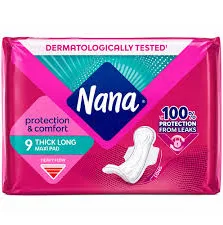
- cellulose, cotton blend, absorbent core
- We found no PFAS statement from the brand
- Bleach residues and processing chemicals in cellulose
3 hazards checked on this product, all on its full breakdown.
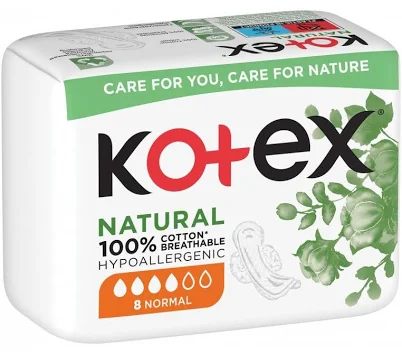
- Cotton, wood pulp absorbent core, plastic backing
- Pesticide residue
2 hazards checked on this product, all on its full breakdown.
More period pads grades
How we score, every product runs through the same public 0-100 rubric based on materials, coatings, brand disclosure, lab findings, and recalls. See the full methodology → Spotted a mistake? Report an error.