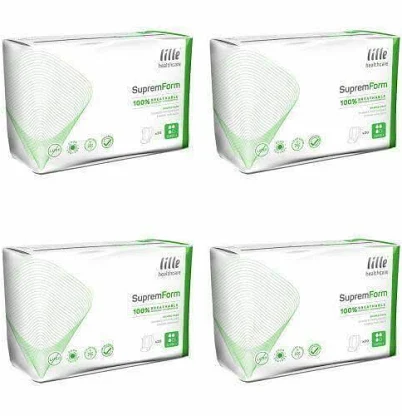
Lille · Incontinence Pads & Protection
Lille Suprem Light Super Form Super Plus Large Shaped Pads
Skip until brand discloses waterproof treatment chemistry; period pads with unspecified moisture barriers carry moderate PFAS concern.
Lillian has not publicly disclosed the chemical composition of the waterproof backing on these pads, a common place PFAS are used in absorbent hygiene products. No third-party testing, certification, or PFAS-free claim is available.
The better-graded swap
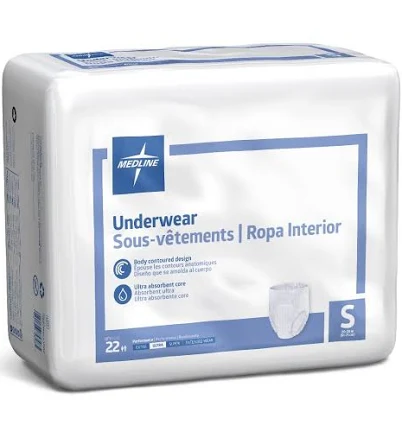
Protection Plus
Protection Plus Classic Adult Underwear,Small Bag of 22
70/100 safety
Same rubric that flunked this product. The swap earned Good.
Still want this one anyway? Check the price on Amazon. We’d swap it.
Material
Absorbent core with waterproof backing (unspecified polymer coating)
Brand disclosure
Brand is silent on PFAS
Lab data
No public lab test
What Lille Suprem Light Super Form Super is made of, ingredients and materials
Lille Suprem Light Super Form uses an absorbent core (likely wood pulp, SAP, and cellulose) with a waterproof backing layer of unspecified polymer coating. The opacity of this coating formulation is the core safety issue, waterproof barriers in incontinence pads historically rely on polyethylene, polypropylene, or polyurethane films, many of which have historically been treated with PFAS-based water and oil repellents to enhance performance. Without disclosure from Lillian of the specific polymer type and treatment chemistry, the PFAS content cannot be assessed.
What’s concerning
No PFAS disclosure
No public statement from the brand about PFAS in this product.
Category baseline
The starting point for this type of product, before anything specific to this product is counted.
Waterproof / stain-resistant treatment
Water-repellent coating treatments have historically used PFAS.
PFAS
Incontinence pad waterproof barriers commonly employ PFAS-treated polymers for durability. Lille has not disclosed treatment chemistry; PFAS may leach into skin or environment during use and disposal. Skin contact with PFAS-containing materials is a known exposure route, particularly for long-term use products.
Source, ATSDR ↗Polymer coating degradation and microparticle release
Unspecified polymer backings degrade with moisture, heat, and mechanical stress over time. Degradation can release microparticles or oligomers into skin contact zones. This risk is generic to plastic-backed incontinence pads and increases with product age or poor storage.
Skin irritation from coating materials or residues
Polymer coatings and adhesives in incontinence pads can contain unreacted monomers, plasticizers, or processing residues that irritate sensitive skin with prolonged contact. No specific sensitivity reports for Lille Suprem Light are documented, but risk exists in this product category, especially for individuals with atopic dermatitis or compromised skin barrier.
What’s reassuring
Formaldehyde / VOCs
Absorbent cores and absorbent facing may contain formaldehyde-releasing resins to improve wet strength. No recalls or reports specific to this product are documented. Industry standard does not typically involve high-level formaldehyde use in incontinence pads, but absence of certification limits confidence.
Source, ATSDR ↗Chlorine bleaching residues in pulp core
Wood pulp in the absorbent core may be chlorine-bleached during manufacture, potentially leaving trace chlorinated compounds. This is standard practice and not a documented hazard in finished incontinence pads, but unbleached or oxygen-bleached alternatives exist for consumers seeking lower chemical exposure.
The full breakdown
The brand's record and disclosure
Lillian has not publicly disclosed the chemical composition of the waterproof backing or made any statement on PFAS use or avoidance. No third-party certifications (such as OEKO-TEX, Standard 100, or similar textile safety marks) are documented for this product line. The brand's silence on formulation details is typical of mid-market incontinence pad manufacturers but represents a gap in consumer transparency that limits independent hazard assessment.
How it compares in its category
Most commercial incontinence pads (Depend, Tena, Poise, Lille itself) use non-disclosed polymer backings. A minority of premium or eco-certified alternatives (such as some cloth reusable options or those carrying OEKO-TEX certification) do publish or limit PFAS use. Lille Suprem Light sits in the mainstream category where waterproof treatment chemistry is rarely disclosed to consumers, making direct safety comparison difficult without manufacturer engagement.
If you buy it
Store pads in a cool, dry place away from direct heat and sunlight; polymer backing degradation is accelerated by heat and can increase leachate risk over time. Replace pads every 4-6 hours or sooner if fully saturated; prolonged skin contact with potentially degraded coating material may cause irritation. Discontinue use if rash, itching, or odor develops and consult a healthcare provider. If PFAS exposure is a health concern for your household, contact Lillian directly requesting waterproof treatment disclosure before purchasing.
What we don’t know
- Basis
- Model estimate, 35% confidence, not a lab result
- Lab test
- None on record for this exact product
- Brand statement
- Lille has made none
Formulations change between production runs, so check the current label. How we grade.
Better-graded alternatives in Incontinence Pads & Protection
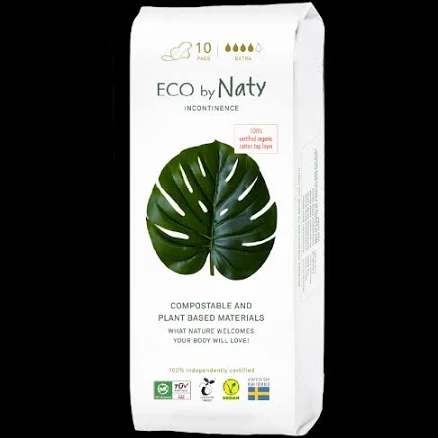
Eco By Naty
Incontinence Pads
- Bamboo-derived viscose, cotton, plant-based absorbent core
- We found no PFAS statement from the brand
- Heavy metals
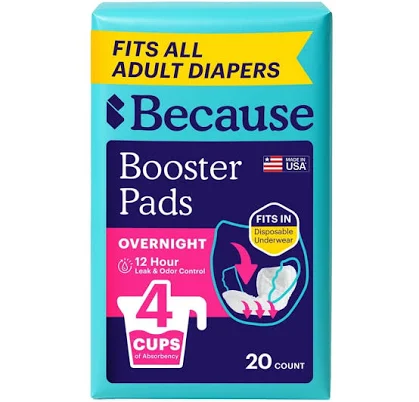
Because Market
Because Booster Pads
- Cellulose, superabsorbent polymer, cotton blend
- We found no PFAS statement from the brand
- Absorbent material degradation and bacterial growth
2 hazards checked on this product. See all of them.
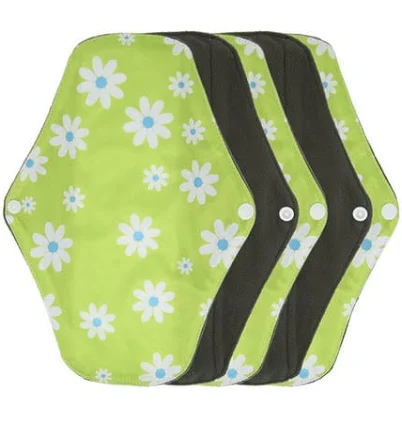
5pcs Bamboo Charcoal Washable Incontinence Pads
- bamboo charcoal textile, washable cotton-blend absorbent layer
- We found no PFAS statement from the brand
- Azo dyes and synthetic colorants
4 hazards checked on this product. See all of them.
More incontinence pads & protection grades
How we score, every product runs through the same public 0-100 rubric based on materials, coatings, brand disclosure, lab findings, and recalls. See the full methodology → Spotted a mistake? Report an error.