Medline · Incontinence Pads & Protection
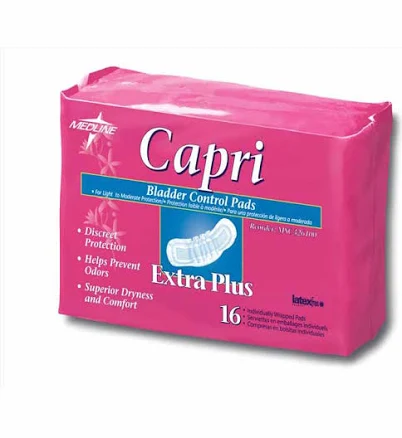
Medline Bladder Control Pads
Wait for Medline to disclose waterproof backing composition before buying.
Medline Purefit pads include a waterproof backing typical of bladder-control products, which historically relied on PFAS-coated films or Teflon-family coating. The brand provides no public disclosure of the backing material or PFAS status.
The better-graded swap
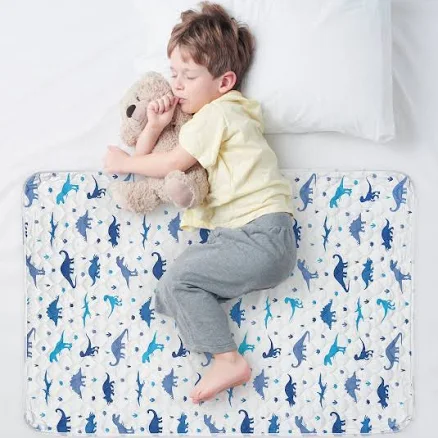
Organic Bamboo Incontinence Pads - White Dinosaur
70/100 safety
Same rubric that flunked this product. The swap earned Good.
Still want this one anyway? Check the price on Amazon. We’d swap it.
Material
Non-woven cellulose/polypropylene with waterproof backing (composition unspecified)
Brand disclosure
Brand is silent on PFAS
Lab data
No public lab test
What Medline Bladder Control Pads is made of, ingredients and materials
Medline Purefit pads use a non-woven cellulose core (absorbent) bonded to polypropylene layers with an unspecified waterproof backing. The backing is the critical unknown, it could be polyethylene (not a material linked to PFAS), a polyurethane film (not a material linked to PFAS), or a fluorochemical-treated material that resists water and soil. Without disclosure, you cannot assess whether that backing introduces PFAS, plasticizers, or other leachables into prolonged skin contact.
What’s concerning
Category baseline
The starting point for this type of product, before anything specific to this product is counted.
No PFAS disclosure
No public statement from the brand about PFAS in this product.
Waterproof / stain-resistant treatment
Water-repellent coating treatments have historically used PFAS.
PFAS
Waterproof coatings on incontinence pads historically used fluorochemicals (PFOA, PFOS, or newer C6 alternatives) for water and oil repellency. Medline has not disclosed backing chemistry, so PFAS presence cannot be ruled out. Skin contact with PFAS during daily use poses cumulative exposure risk, especially for elderly or immobile users.
Source, ATSDR ↗Skin irritation from backing or additives
While Medline pads are generally well-tolerated, the unspecified waterproof backing may contain plasticizers, slip agents, or other processing aids that could irritate sensitive skin or cause contact dermatitis in susceptible individuals. No systematic safety data is publicly available for this specific product formulation. Users with atopic dermatitis or sensitive skin should test on a small area
Microplastics
Prolonged friction, washing (if reusable variants exist), or heat exposure could degrade polypropylene layers into microplastics. Most single-use incontinence pads are disposed of intact, minimizing this risk, but damaged or deteriorating pads should be replaced to prevent polymer shedding against skin.
Source, EPA ↗Lack of third-party certification or transparency
Medline Bladder Control Pads carry no visible eco-certifications, safety seals (e.g., Oeko-Tex for textiles), or third-party chemical testing claims. This transparency gap is common in the incontinence-pad category but limits your ability to verify chemical safety independently before purchase.
What’s reassuring
Adhesive and polymer off-gassing
No specific off-gassing or volatile organic compound (VOC) concerns have been reported for Medline Bladder Control Pads. Non-woven cellulose and polypropylene are relatively stable, but adhesives binding layers could theoretically release trace chemicals over time. Incontinence pads are used externally, not ingested, limiting inhalation risk compared to bedding or furniture.
The full breakdown
The brand's record and disclosure
Medline Industries is a major global medical-device manufacturer with ISO 13485 certification and extensive hospital use, suggesting baseline quality control. However, Medline has not publicly disclosed the chemical composition of incontinence pad backings or taken a stance on PFAS alternatives. No major recalls or chemical safety controversies specific to Bladder Control Pads are on public record, but the brand's silence on waterproof backing materials is a red flag for transparency.
How it compares in its category
Medline pads are mid-range in clinical adoption and cost. They sit between budget store brands (which rarely disclose backing) and premium alternatives like some Depend or Tena products that have begun listing backing materials. Most competitors are equally opaque on PFAS; Medline's lack of disclosure is typical, not distinctive. Consumers prioritizing safety should seek brands that explicitly state polyethylene or polyurethane backing without fluorochemical treatment.
If you buy it
Store in a cool, dry place away from direct sunlight to prevent polymer degradation. Change pads regularly (typically every 2 to 4 hours depending on absorbency) to minimize prolonged skin contact and reduce any risk from backing leachables. Do not expose to high heat or steam. If you notice skin irritation, rash, or odor beyond normal incontinence, discontinue and consult a dermatologist or doctor, as it may signal a reaction to backing or other materials.
What we don’t know
- Basis
- Model estimate, 45% confidence, not a lab result
- Lab test
- None on record for this exact product
- Brand statement
- Medline has made none
Formulations change between production runs, so check the current label. How we grade.
Better-graded alternatives in Incontinence Pads & Protection
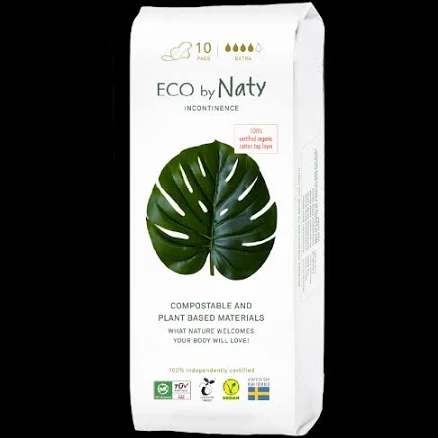
Eco By Naty
Incontinence Pads
- Bamboo-derived viscose, cotton, plant-based absorbent core
- We found no PFAS statement from the brand
- Heavy metals
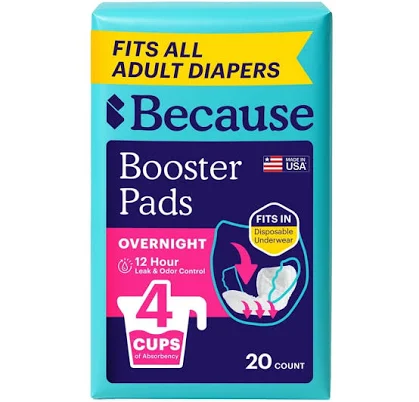
Because Market
Because Booster Pads
- Cellulose, superabsorbent polymer, cotton blend
- We found no PFAS statement from the brand
- Absorbent material degradation and bacterial growth
2 hazards checked on this product. See all of them.
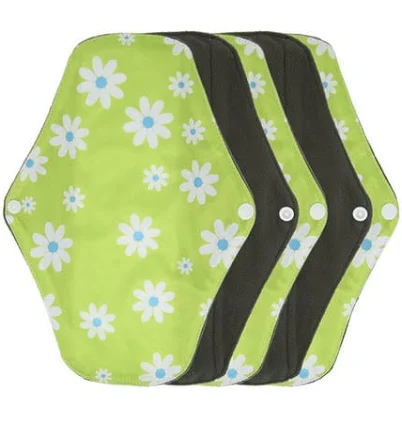
5pcs Bamboo Charcoal Washable Incontinence Pads
- bamboo charcoal textile, washable cotton-blend absorbent layer
- We found no PFAS statement from the brand
- Azo dyes and synthetic colorants
4 hazards checked on this product. See all of them.
More incontinence pads & protection grades
How we score, every product runs through the same public 0-100 rubric based on materials, coatings, brand disclosure, lab findings, and recalls. See the full methodology → Spotted a mistake? Report an error.