Molicare · Incontinence Pads & Protection
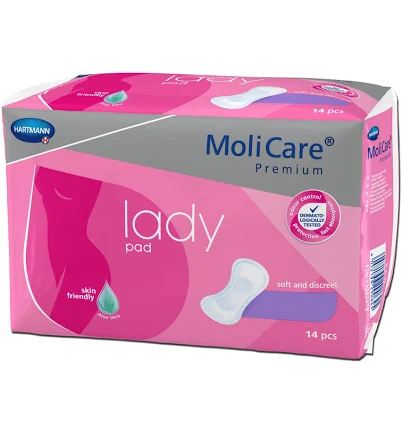
MoliCare Premium Lady Bladder Control Pads
Waterproof backing undisclosed; PFAS risk remains unclear.
MoliCare keeps its waterproofing chemistry secret and makes no PFAS transparency efforts. Incontinence pads routinely use water-resistant backings that may contain PFAS.
The better-graded swap
Lille
LILLE Suprem Form Maxi 2920ml
70/100 safety
Same rubric that flunked this product. The swap earned Good.
Still want this one anyway? Check the price on Amazon. We’d swap it.
Material
nonwoven absorbent core, likely with waterproof backing layer
Brand disclosure
Brand is silent on PFAS
Lab data
No public lab test
You may also be interested in
Top-graded picks in the categories readers replace first, every one scored on the same rubric.

Aqua Pure
3M Aqua-Pure AP802B Whole House Filter Housing
- polypropylene filter housing, carbon/sediment cartridge
- We found no PFAS statement from the brand
- Bacterial growth in spent cartridges
3 hazards checked on this product. See all of them.

Aquasure
Premier Series 75 GPD Under Sink Reverse Osmosis Water Filtration System
- RO membrane, carbon filters, stainless steel housing
- We found no PFAS statement from the brand
- Bacterial and microbial growth in housing and filters
4 hazards checked on this product. See all of them.

Avocado
Vegan Mattress
- organic cotton, natural latex, coconut coir, recycled steel coils
- The brand calls it PFAS-free, which we have not verified
- Heavy metals
2 hazards checked on this product. See all of them.
What MoliCare Premium Lady Bladder Control Pads is made of, ingredients and materials
MoliCare Premium Lady pads use a nonwoven absorbent core (typically wood pulp and superabsorbent polymer) topped with a soft topsheet, with a waterproof backing layer to contain leakage. The backing is where PFAS risk concentrates, manufacturers typically use either fluorochemical (PFAS-based) or non-fluorochemical (polyethylene or polyurethane) water barriers. Molicare has not publicly disclosed which chemistry their Premium line uses, making independent assessment impossible. Nonwoven materials themselves carry low chemical risk if unbleached or gently chlorinated, but acetone or solvent residues from manufacturing are not typically reported for this product category.
What’s concerning
Category baseline
The starting point for this type of product, before anything specific to this product is counted.
No PFAS disclosure
No public statement from the brand about PFAS in this product.
Waterproof / stain-resistant treatment
Water-repellent coating treatments have historically used PFAS.
PFAS
Molicare does not disclose chemistry of the polyurethane or polyethylene-based backing; PFAS use is plausible but unconfirmed. Risk is skin contact only (not ingestion), and dermal absorption of PFAS through intact skin is limited.
Source, ATSDR ↗Skin maceration and secondary bacterial/fungal infection
Extended wear or poor fit allows moisture accumulation, which is the primary risk driver for incontinence pad users. This is a use-behavior hazard, not a chemical one, but more significant than any material toxicity for this product class.
Fragrance or adhesive sensitization
Some Molicare Premium variants are scented or use tackified adhesives to prevent slipping. Contact dermatitis or allergic reaction is rare but documented for sensitive individuals; unscented versions exist if needed.
What’s reassuring
Superabsorbent polymer (sodium polyacrylate) safety
Sodium polyacrylate is approved for food contact (FCC grade) and used in tampons and diapers; no systematic toxicity or allergic reaction data has emerged for this specific product. Ingestion is not a realistic use scenario for an incontinence pad.
Chlorine residue from bleaching or disinfection
Nonwoven textiles in this category are typically gently processed; elemental chlorine bleach is rare. No recalls or complaints related to chlorine burns or irritation for Molicare Premium pads are documented.
The full breakdown
The brand's record and disclosure
Molicare (owned by Paul Hartmann AG, a German hygiene manufacturer) maintains a general commitment to safety standards (ISO 13485, CE marking for medical devices in some markets) but does not publicly disclose PFAS use or commit to PFAS-free formulations on their consumer website. No major recalls or safety controversies for this specific product line are on public record. The company's silence on PFAS in incontinence products mirrors industry-wide opacity; many competitors also withhold this information, making Molicare neither exceptional nor notably transparent.
How it compares in its category
Incontinence pads occupy a less-scrutinized category than menstrual products; few brands openly tout PFAS-free status, and regulatory pressure is lighter than for food-contact materials. Molicare Premium sits mid-to-premium in price and absorbency claims but does not differentiate on chemical disclosure compared to store brands or competitors like Tena or Depend. If PFAS avoidance is a priority, you would need to contact Molicare directly or select brands (few exist) that explicitly state PFAS-free backing.
If you buy it
Change pads regularly (per incontinence severity) to prevent skin maceration and bacterial overgrowth; prolonged dampness, not the pad chemistry itself, is the primary skin-health driver. Store in a cool, dry place to prevent moisture reactivation of any residual solvents, though this risk is minimal for a factory-sealed product. Do not heat or expose pads to direct flame (superabsorbent polymers are not flammable but may degrade). If you experience rash, irritation, or odor, switch to an unscented alternative or contact dermatology; individual sensitivity to nonwoven topsheets is possible but rare.
What we don’t know
- Basis
- Model estimate, 35% confidence, not a lab result
- Lab test
- None on record for this exact product
- Brand statement
- Molicare has made none
Formulations change between production runs, so check the current label. How we grade.
Better-graded alternatives in Incontinence Pads & Protection
Eco By Naty
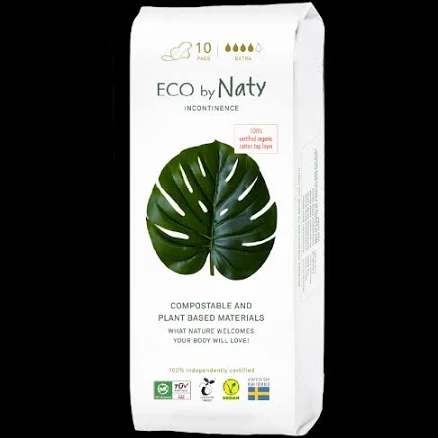
Incontinence Pads
- Bamboo-derived viscose, cotton, plant-based absorbent core
- We found no PFAS statement from the brand
- Heavy metals
Because Market
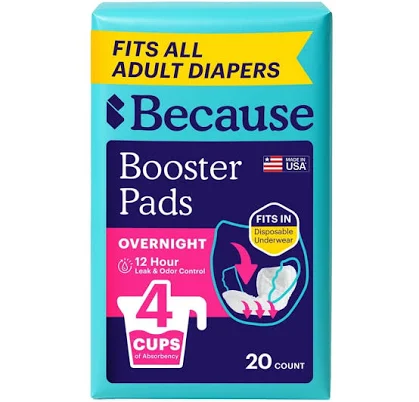
Because Booster Pads
- Cellulose, superabsorbent polymer, cotton blend
- We found no PFAS statement from the brand
- Absorbent material degradation and bacterial growth
2 hazards checked on this product. See all of them.
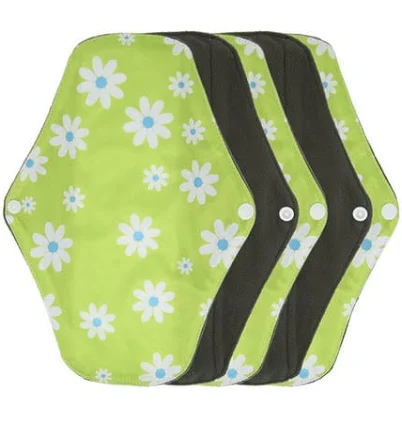
5pcs Bamboo Charcoal Washable Incontinence Pads
- bamboo charcoal textile, washable cotton-blend absorbent layer
- We found no PFAS statement from the brand
- Azo dyes and synthetic colorants
4 hazards checked on this product. See all of them.
More incontinence pads & protection grades
How we score, every product runs through the same public 0-100 rubric based on materials, coatings, brand disclosure, lab findings, and recalls. See the full methodology → Spotted a mistake? Report an error.