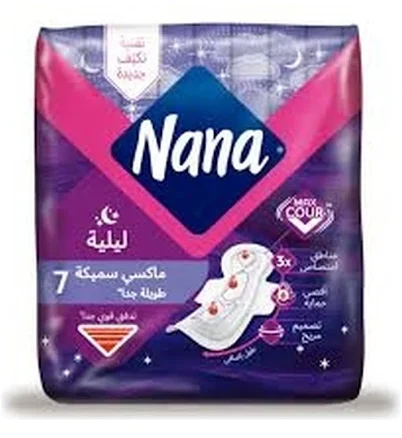
Nana Good Night Maxi Thick Sanitary Pads 7 Count
Limited transparency on materials and waterproofing treatments used.
Sanitary pads typically use waterproof backsheets and coatings whose compositions are rarely disclosed. Nana provides no public PFAS or material transparency; standard industry practice creates moderate concern.
The better-graded swap
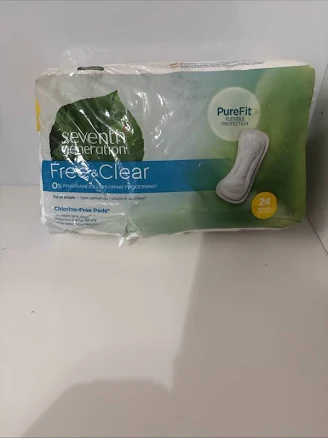
Seventh Generation
Seventh Generation Chlorine Free Maxi Pads
100/100 safety
Same rubric that flunked this product. The swap earned Excellent.
Still want this one anyway? Check the price on Amazon. We’d swap it.
Material
cellulose, absorbent core, unspecified top sheet coating
Brand disclosure
Brand is silent on PFAS
Lab data
No public lab test
You may also be interested in
Top-graded picks in the categories readers replace first, every one scored on the same rubric.

- polypropylene filter housing, carbon/sediment cartridge
- We found no PFAS statement from the brand
- Bacterial growth in spent cartridges
3 hazards checked on this product, all on its full breakdown.

Aquasure
Premier Series 75 GPD Under Sink Reverse Osmosis Water Filtration System
- RO membrane, carbon filters, stainless steel housing
- We found no PFAS statement from the brand
- Bacterial and microbial growth in housing and filters
4 hazards checked on this product, all on its full breakdown.

Avocado
Vegan Mattress
- organic cotton, natural latex, coconut coir, recycled steel coils
- The brand calls it PFAS-free, which we have not verified
- Heavy metals
2 hazards checked on this product, all on its full breakdown.
What Nana Good Night Maxi Thick Sanitary Count is made of, ingredients and materials
Nana Good Night Maxi uses a cellulose-based absorbent core, which is a standard, non-toxic material in period pads. The concern here is the unspecified top sheet coating and waterproofing layer. Most maxi pads use polyethylene film for the backing and a polypropylene or cellulose non-woven top sheet, but the coating chemistry (whether it includes waterproofing agents, surfactants, or other additives) is not disclosed. This opacity is significant because waterproofing treatments often rely on Teflon-type coating, acrylates, or other water-resistant polymers that may release microparticles or volatiles.
What’s concerning
Waterproof / stain-resistant treatment
Water-repellent coating treatments have historically used PFAS.
Category baseline
The starting point for this type of product, before anything specific to this product is counted.
No PFAS disclosure
No public statement from the brand about PFAS in this product.
PFAS
The top sheet and backing layer coatings are not disclosed. Waterproofing treatments in budget-tier pads sometimes use Teflon-type coating, acrylates, or silicones; this product's treatment is unknown and not independently tested in public records.
Source, ATSDR ↗Microplastics
Polyethylene and polypropylene backings and top sheets can shed microparticles over time, especially with folding, storage, or friction. No data is available on Nana's polymer quality or shedding rates, but this is a general concern for all single-use plastic-backed pads.
Source, EPA ↗Skin sensitizers in adhesives or surfactants
Adhesives securing the pad to underwear and coating surfactants (used to aid water repellency) are not specified. Some users report irritation from conventional pad adhesives, though individual sensitivity varies and no specific adverse reactions to Nana pads are documented.
What’s reassuring
Chlorine residue from bleaching
Cellulose cores are often bleached during manufacture. Nana does not disclose bleaching methods or residual chlorine levels. Standard industry practices suggest minimal residue, but unbleached or oxygen-bleached alternatives exist if this is a concern.
Fragrance or antimicrobial additives
The product name 'Good Night' does not indicate added fragrance, and no fragrance allergens or antimicrobial treatments are listed on available packaging or retailer descriptions. This is a low-risk signal, but ingredient transparency would confirm absence.
How is this PFAS grade calculated?
The brand's record and disclosure
Nana is owned by SCA, a large hygiene manufacturer with no known public commitments to PFAS avoidance or full material transparency in period products. The brand has not published ingredient lists, certification data, or chemical testing results for this product line. No recalls or safety incidents are on record for Nana pads in major databases, but the silent stance on materials, especially waterproofing, suggests limited third-party scrutiny or voluntary disclosure practices typical of more transparent competitors.
How it compares in its category
Most conventional period pads share similar cellulose cores and plastic backings, so Nana is typical in material class. However, brands like Seventh Generation, Kotex U, and others have begun publishing PFAS or chemical-free claims. Nana offers no such assurance, placing it in the middle-to-lower tier for transparency. The 'maxi thick' format suggests higher absorbency, which may correlate with denser polymer backings but does not necessarily increase chemical risk based on material composition.
If you buy it
Use normally; no special precautions are required beyond standard pad hygiene. Change every 4 to 8 hours to prevent bacterial overgrowth and odor. Store in a cool, dry place away from direct heat or sunlight to avoid degradation of the plastic backing. If you experience skin irritation, redness, or rash after use, discontinue and switch to a tested alternative, as individual sensitivity to coating additives or residues can vary. Consider requesting the safety data sheet (SDS) from the retailer if available.
What is not known about PFAS in this product?
- Basis
- Model estimate, 45% confidence, not a lab result
- Lab test
- None on record for this exact product
- Brand statement
- Nana has made none
Formulations change between production runs, so check the current label. How we grade.
What are the PFAS-free alternatives to Nana Good Night Maxi Thick Sanitary Pads 7 Count?
- organic cotton, wood pulp
- The brand calls it PFAS-free, which we have not verified
- Fragrance allergen content
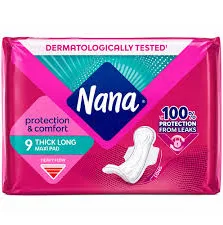
- cellulose, cotton blend, absorbent core
- We found no PFAS statement from the brand
- Bleach residues and processing chemicals in cellulose
3 hazards checked on this product, all on its full breakdown.
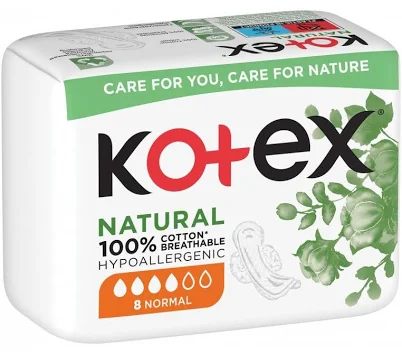
- Cotton, wood pulp absorbent core, plastic backing
- Pesticide residue
2 hazards checked on this product, all on its full breakdown.
More period pads grades
How we score, every product runs through the same public 0-100 rubric based on materials, coatings, brand disclosure, lab findings, and recalls. See the full methodology → Spotted a mistake? Report an error.