Northshore · Incontinence Pads & Protection
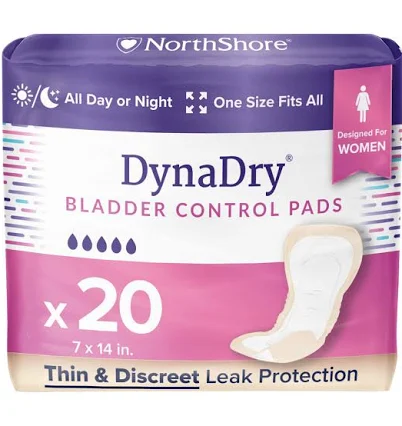
NorthShore DynaDry Bladder Control Pads for Women
Skip until brand discloses waterproof treatment chemistry; bladder pads often use water-repellent coatings with PFAS risk.
NorthShore does not publicly disclose its waterproof backing chemical composition or any PFAS certifications. Bladder control pads commonly require water-resistant treatments that may contain PFAS.
The better-graded swap
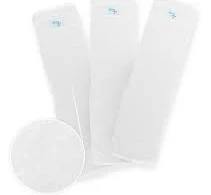
Adult Bamboo Booster Pads
70/100 safety
Same rubric that flunked this product. The swap earned Good.
Still want this one anyway? Check the price on Amazon. We’d swap it.
Material
Absorbent core, plastic backing (waterproof treatment unspecified)
Brand disclosure
Brand is silent on PFAS
Lab data
No public lab test
What NorthShore DynaDry Bladder Control Pads is made of, ingredients and materials
NorthShore DynaDry pads use an absorbent core (typically wood pulp and superabsorbent polymer) bonded to a plastic backing layer designed for waterproof protection. The specific polymer or coating applied to achieve waterproofing is not publicly disclosed by the brand. Without transparency on whether this backing uses fluorinated compounds (PFAS), polyurethane, or other polymer treatments, the chemical safety profile of skin contact cannot be fully assessed. This is particularly relevant because incontinence pads remain in prolonged contact with sensitive skin and mucous membranes.
What’s concerning
Category baseline
The starting point for this type of product, before anything specific to this product is counted.
No PFAS disclosure
No public statement from the brand about PFAS in this product.
Waterproof / stain-resistant treatment
Water-repellent coating treatments have historically used PFAS.
PFAS
Plastic waterproof backings in incontinence pads often use PFAS-based coatings; NorthShore has not disclosed its treatment chemistry. Prolonged skin contact with PFAS-treated surfaces may facilitate dermal absorption, particularly in occluded (covered) areas.
Source, ATSDR ↗Skin irritation and contact dermatitis from undisclosed additives
Absorbent cores and polymer backings may contain adhesives, antimicrobial agents, or cross-linking chemicals not listed on packaging. Consumers with sensitive skin or atopic dermatitis are at higher risk; no ingredient transparency means reactions cannot be traced to specific compounds.
Superabsorbent polymer (SAP) residue and gel release
If the absorbent core is damaged or overloaded, superabsorbent polymer particles or gel may contact skin. While SAP is generally recognized as low-toxicity, ingestion or eye contact should be avoided, and prolonged skin contact is not well-studied in clinical literature.
Bacterial and fungal colonization in wet absorbent material
Incontinence pads create a moist, enclosed microenvironment that can support microbial growth if pads are not changed promptly. Extended wear increases risk of urinary tract infection, skin breakdown, and infection at pressure points.
What’s reassuring
Plasticizer or polymer degradation under body heat and moisture
No published data on thermal or hydrolytic degradation of NorthShore backing polymers under prolonged wear conditions. Generic concern for plastic-backed absorbent products is migration of monomers or degradation byproducts, but this product has not been studied for such leaching.
The full breakdown
The brand's record and disclosure
NorthShore has not published material safety data sheets, ingredient lists, or waterproof treatment chemistry for this product line. The brand maintains silence on PFAS use despite the known prevalence of fluorinated water repellents in absorbent hygiene products. No third-party certifications (such as Oeko-Tex, bluesign, or similar) are listed on product materials examined. This lack of disclosure is inconsistent with industry leaders who have begun phasing PFAS or publishing testing results in response to regulatory and consumer pressure.
How it compares in its category
Most incontinence pads in this price and performance tier rely on waterproof backings that carry unspecified PFAS risk; few brands disclose treatment chemistry proactively. Higher-transparency competitors (e.g., some medical-grade or eco-certified pads) publish PFAS test results or commit to fluorine-free alternatives. NorthShore's performance reputation is solid, but its opacity on material treatment puts it in the middle-to-lower tier for informed purchasing. Seeking brands with published non-PFAS certifications or third-party testing is a practical upgrade path.
If you buy it
Store pads in a cool, dry place away from direct heat; do not wash or reuse. Replace pads immediately after use to minimize prolonged skin contact and reduce risk of bacterial or fungal growth in the absorbent core. If skin irritation, rash, or allergic reaction develops, discontinue use and consult a healthcare provider; reaction may indicate sensitivity to undisclosed additives or coatings. Before committing to regular purchase, contact NorthShore directly to request material safety data for the waterproof backing and ask whether PFAS-free alternatives are available.
What we don’t know
- Basis
- Model estimate, 35% confidence, not a lab result
- Lab test
- None on record for this exact product
- Brand statement
- Northshore has made none
Formulations change between production runs, so check the current label. How we grade.
Better-graded alternatives in Incontinence Pads & Protection
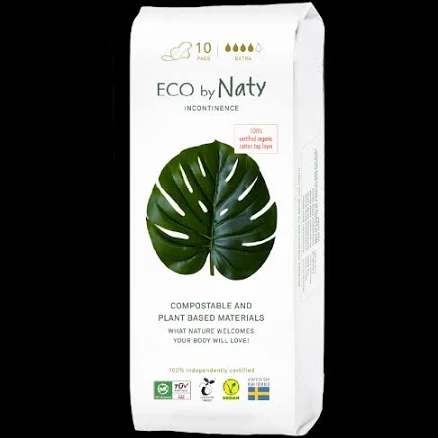
Eco By Naty
Incontinence Pads
- Bamboo-derived viscose, cotton, plant-based absorbent core
- We found no PFAS statement from the brand
- Heavy metals
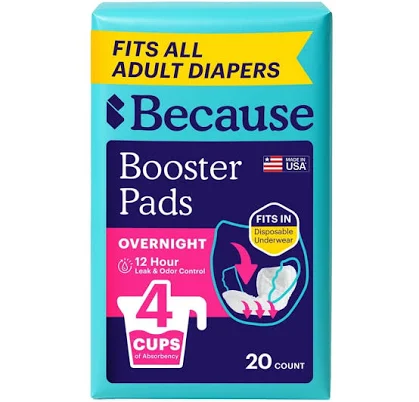
Because Market
Because Booster Pads
- Cellulose, superabsorbent polymer, cotton blend
- We found no PFAS statement from the brand
- Absorbent material degradation and bacterial growth
2 hazards checked on this product. See all of them.
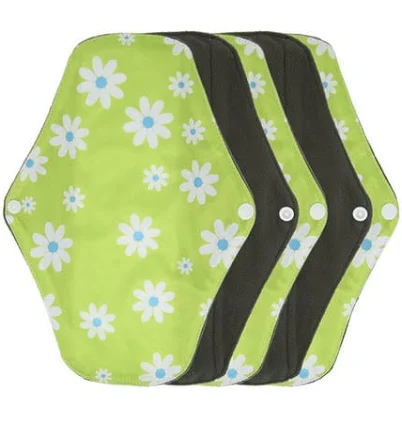
5pcs Bamboo Charcoal Washable Incontinence Pads
- bamboo charcoal textile, washable cotton-blend absorbent layer
- We found no PFAS statement from the brand
- Azo dyes and synthetic colorants
4 hazards checked on this product. See all of them.
More incontinence pads & protection grades
How we score, every product runs through the same public 0-100 rubric based on materials, coatings, brand disclosure, lab findings, and recalls. See the full methodology → Spotted a mistake? Report an error.