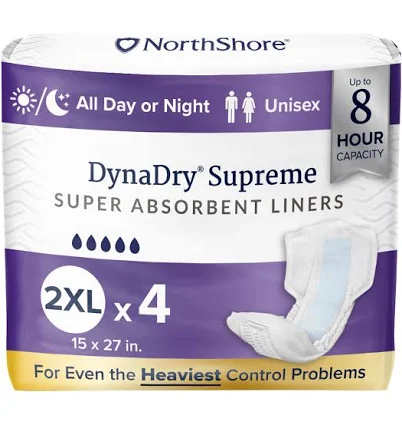
Northshore · Incontinence Pads & Protection
NorthShore DynaDry Supreme Liners
Skip until NorthShore discloses waterproof backing composition, PFAS risk unclear.
NorthShore DynaDry Supreme Liners use a waterproof backing typical of period-care products, but the brand does not publicly disclose whether it contains PFAS-based water-repellent coatings. Without transparency, PFAS exposure risk cannot be ruled out.
The better-graded swap
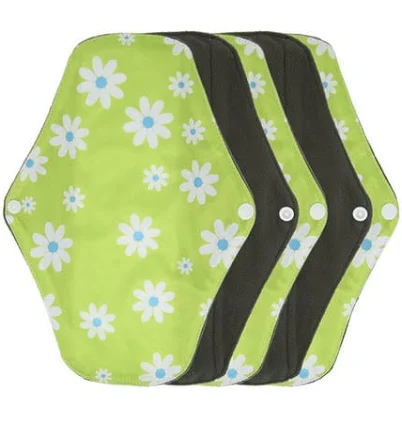
5pcs Bamboo Charcoal Washable Incontinence Pads
70/100 safety
Same rubric that flunked this product. The swap earned Good.
Still want this one anyway? Check the price on Amazon. We’d swap it.
Material
Absorbent core (likely cellulose/superabsorbent polymer) with unspecified waterproof backing layer
Brand disclosure
Brand is silent on PFAS
Lab data
No public lab test
What NorthShore DynaDry Supreme Liners is made of, ingredients and materials
NorthShore DynaDry Supreme Liners use a cellulose-based absorbent core (common in incontinence products) combined with superabsorbent polymer (SAP) to retain moisture. The critical unknown is the waterproof backing layer, which manufacturers typically treat with either silicone, polyurethane, or fluorinated compounds (PFAS-based coatings). This backing is the sole barrier preventing liquid contact with skin and fabric, making its chemistry essential to safety. Without NorthShore's published specification, the presence or absence of PFAS cannot be ruled out.
What’s concerning
Category baseline
The starting point for this type of product, before anything specific to this product is counted.
No PFAS disclosure
No public statement from the brand about PFAS in this product.
Waterproof / stain-resistant treatment
Water-repellent coating treatments have historically used PFAS.
PFAS
Backing material identity is undisclosed. Industry standard for waterproof incontinence liners often includes PFAS (fluorinated polymers); silicone and polyurethane alternatives exist but NorthShore has not confirmed which is used. This represents a material gap in safety transparency.
Source, ATSDR ↗What’s reassuring
Superabsorbent polymer (SAP) integrity under moisture stress
Cellulose-SAP blends in incontinence products are well-established. No reported toxicity from SAP core itself when intact; primary concern is product failure (leakage) rather than chemical hazard. Degradation over time or in high heat can reduce absorbency but does not typically release toxic byproducts.
Fragrance and skin sensitizers
DynaDry Supreme product naming suggests potential fragrance additives, though NorthShore has not publicly confirmed fragrance ingredients. Incontinence pads with added scents carry low but documented risk of contact dermatitis and allergic sensitization in prolonged skin contact.
Microplastic shedding from synthetic backing
Synthetic waterproof backings (polyurethane, silicone, or coated polymers) can shed microparticles with heavy wear or degradation. Risk is primarily environmental; skin contact hazard is theoretical at present use levels but not established in literature.
Adhesive or fastening material toxicity
Most incontinence liners use pressure-sensitive adhesives to secure fit. No specific toxicity data for NorthShore's adhesive formulation is public; standard-grade adhesives in this category are considered low-risk by dermatological standards.
The full breakdown
The brand's record and disclosure
NorthShore Care Products maintains a public website and product catalog but has not published detailed material safety data sheets or chemical composition disclosures for its liners on public-facing materials. No independent certifications (such as STANDARD 100 by OEKO-TEX, GOTS, or similar textile safety standards) are documented for this product line. The brand's silence on waterproof backing chemistry is a significant transparency gap in a category where PFAS use is widespread among competitors. No recalls or reported safety incidents specific to this product are on record.
How it compares in its category
Most incontinence pad manufacturers worldwide use either PFAS-coated backings (common, water-repellent but persistent chemical risk) or silicone/polyurethane alternatives (lower concern but costlier). Products from some brands have voluntarily disclosed PFAS-free backing; others (including many private-label and mid-market brands like NorthShore) do not disclose. Without that disclosure, DynaDry Supreme falls into the default risk category for this product type. The absorbent core itself is standard and low-risk across the category.
If you buy it
Store pads in a cool, dry place away from direct sunlight to prevent polymer degradation and odor. Do not expose to heat sources (radiators, dryers) as SAP performance can degrade. Replace immediately after use to minimize skin contact duration and reduce diaper dermatitis risk. If skin irritation develops, discontinue use and contact a healthcare provider; consider requesting detailed backing composition from NorthShore support to rule out specific chemical sensitivities.
What we don’t know
- Basis
- Model estimate, 35% confidence, not a lab result
- Lab test
- None on record for this exact product
- Brand statement
- Northshore has made none
Formulations change between production runs, so check the current label. How we grade.
Better-graded alternatives in Incontinence Pads & Protection
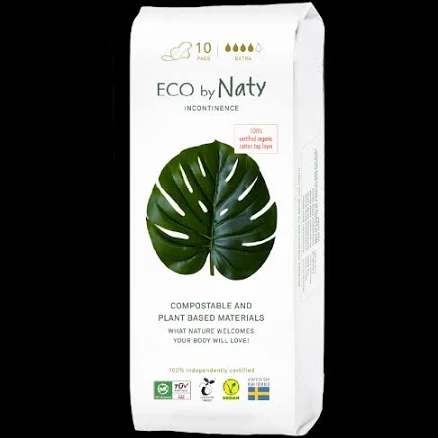
Eco By Naty
Incontinence Pads
- Bamboo-derived viscose, cotton, plant-based absorbent core
- We found no PFAS statement from the brand
- Heavy metals
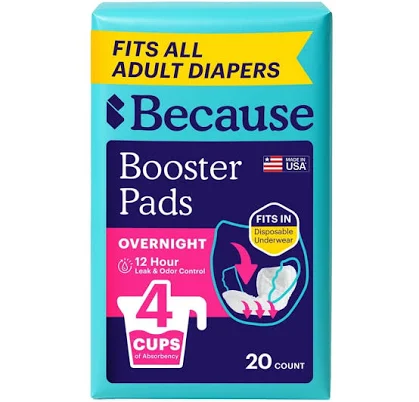
Because Market
Because Booster Pads
- Cellulose, superabsorbent polymer, cotton blend
- We found no PFAS statement from the brand
- Absorbent material degradation and bacterial growth
2 hazards checked on this product. See all of them.
5pcs Bamboo Charcoal Washable Incontinence Pads
- bamboo charcoal textile, washable cotton-blend absorbent layer
- We found no PFAS statement from the brand
- Azo dyes and synthetic colorants
4 hazards checked on this product. See all of them.
More incontinence pads & protection grades
How we score, every product runs through the same public 0-100 rubric based on materials, coatings, brand disclosure, lab findings, and recalls. See the full methodology → Spotted a mistake? Report an error.