Northshore · Incontinence Pads & Protection
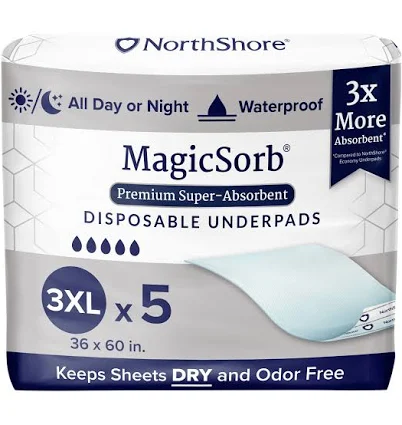
NorthShore MagicSorb Premium Disposable Bed & Floor Protectors (Underpads), 36 x 70, Pack/4
Skip or contact manufacturer, waterproof underpads often use PFAS but NorthShore doesn't disclose.
NorthShore's MagicSorb underpads are designed for fluid protection, which typically requires waterproof coatings that may contain PFAS. Brand makes no public PFAS statement, material composition, or third-party testing disclosure.
The better-graded swap
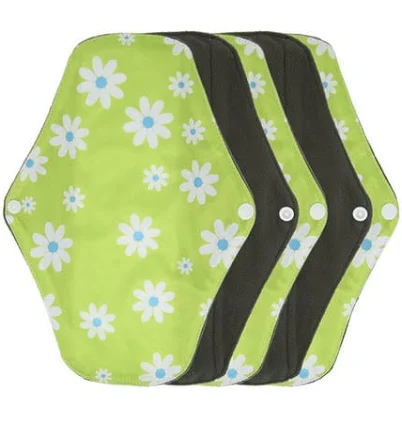
5pcs Bamboo Charcoal Washable Incontinence Pads
70/100 safety
Same rubric that flunked this product. The swap earned Good.
Still want this one anyway? Check the price on Amazon. We’d swap it.
Material
Polymer-coated textile (waterproof backing layer unspecified)
Brand disclosure
Brand is silent on PFAS
Lab data
No public lab test
What NorthShore MagicSorb Premium Disposable is made of, ingredients and materials
NorthShore MagicSorb Premium underpads use a polymer-coated textile construction with a waterproof backing layer. The specific polymer type and waterproofing chemistry are not disclosed on available product documentation. Waterproof backing in incontinence pads typically relies on either polyethylene (non-fluorinated) or Teflon-family coating coatings (PFAS-based); NorthShore does not specify which, making PFAS presence impossible to rule out from public information alone.
What’s concerning
Category baseline
The starting point for this type of product, before anything specific to this product is counted.
No PFAS disclosure
No public statement from the brand about PFAS in this product.
Waterproof / stain-resistant treatment
Water-repellent coating treatments have historically used PFAS.
PFAS
Waterproof backing in disposable underpads commonly uses Teflon-family coating (PFAS) coatings. NorthShore does not disclose the chemical family, making PFAS presence probable but unconfirmed. Persistent exposure risk depends on direct skin contact duration and frequency.
Source, ATSDR ↗Microplastic shedding from polymer coating
Polymer-coated textiles can shed microparticles with mechanical wear (rubbing, folding, laundering nearby fabrics). Underpads are single-use and discarded whole, minimizing direct shedding into skin, but worn areas may fragment during disposal.
What’s reassuring
Formaldehyde / VOCs
No formaldehyde complaints, recalls, or certifications (Oeko-Tex Standard 100, which screens formaldehyde) are on record for this product. Standard textile finishing may include formaldehyde-releasing resins, but no evidence of elevated levels in NorthShore pads is documented.
Source, ATSDR ↗Azo dyes in colored regions
The product includes a blue wetness indicator; no safety data on indicator dye composition is available. Azo dyes are legally restricted in textiles in most markets, but NorthShore does not publish dye chemistry. Risk is not documented, but composition is not transparent.
Skin irritation or allergic contact from adhesive or coatings
No complaints or safety alerts regarding dermal irritation from NorthShore MagicSorb pads are on record. Individual sensitivity to polymer films or residual processing chemicals is possible but not documented as a brand-specific concern.
The full breakdown
The brand's record and disclosure
NorthShore does not publish PFAS content information or material safety data sheets for this product line. The company has issued no public statements on Teflon-family coating alternatives or PFAS reduction efforts. No recalls, safety complaints, or third-party certifications (e.g., Oeko-Tex, GOTS) are on record for this specific product. The lack of transparency on waterproofing chemistry is consistent with industry-wide silent practices on this issue.
How it compares in its category
Most disposable incontinence pads use polymer-coated textiles; NorthShore's lack of disclosure mirrors the norm rather than standing out. Premium incontinence pad brands (Prevail, Depends, Tena) also do not routinely disclose PFAS status. Some manufacturers offer undyed or low-chemical options, but NorthShore marketing focuses on absorbency and wetness indicators rather than chemical composition. No independent testing data comparing PFAS levels across brands in this category is publicly available.
If you buy it
Use pads as intended, dispose of after each use without incinerating (incineration may release fluorine compounds if PFAS present). Store in a cool, dry place away from direct heat or sunlight; do not use near open flame or high-temperature sources. Launder any fabric contact surfaces (bedding, clothing) according to standard instructions if wetness occurs. If PFAS exposure is a health concern, contact NorthShore directly to request waterproofing material specifications before committing to repeat purchases.
What we don’t know
- Basis
- Model estimate, 35% confidence, not a lab result
- Lab test
- None on record for this exact product
- Brand statement
- Northshore has made none
Formulations change between production runs, so check the current label. How we grade.
Better-graded alternatives in Incontinence Pads & Protection
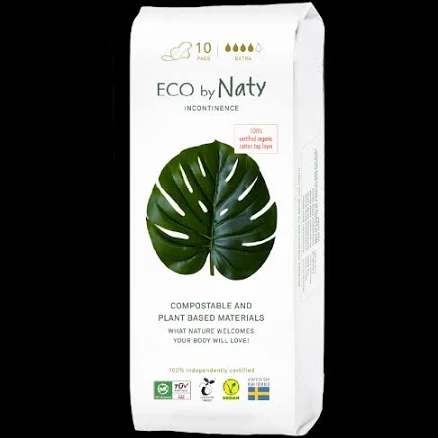
Eco By Naty
Incontinence Pads
- Bamboo-derived viscose, cotton, plant-based absorbent core
- We found no PFAS statement from the brand
- Heavy metals
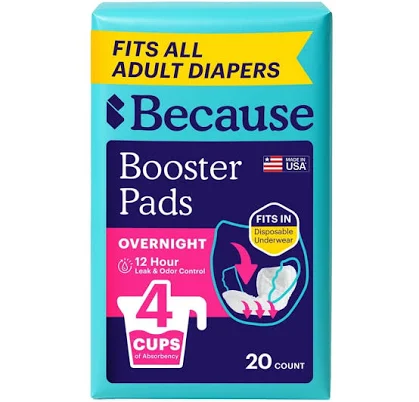
Because Market
Because Booster Pads
- Cellulose, superabsorbent polymer, cotton blend
- We found no PFAS statement from the brand
- Absorbent material degradation and bacterial growth
2 hazards checked on this product. See all of them.
5pcs Bamboo Charcoal Washable Incontinence Pads
- bamboo charcoal textile, washable cotton-blend absorbent layer
- We found no PFAS statement from the brand
- Azo dyes and synthetic colorants
4 hazards checked on this product. See all of them.
More incontinence pads & protection grades
How we score, every product runs through the same public 0-100 rubric based on materials, coatings, brand disclosure, lab findings, and recalls. See the full methodology → Spotted a mistake? Report an error.