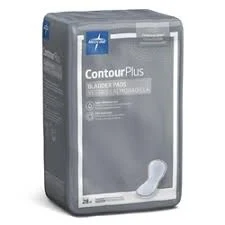
Capri Plus OB Pads - Mini
Typical pad construction; waterproof layer raises concern, no brand disclosure.
OB does not disclose PFAS or coating composition. Standard period pads use moisture-barrier treatments that may contain PFAS, though no lab data available for this product specifically.
The better-graded swap
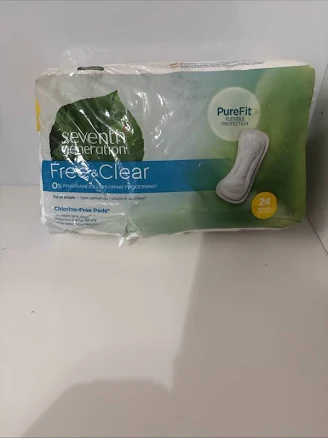
Seventh Generation
Seventh Generation Chlorine Free Maxi Pads
100/100 safety
Same rubric that flunked this product. The swap earned Excellent.
Still want this one anyway? Check the price on Amazon. We’d swap it.
Material
Cellulose/wood pulp core with adhesive; leak-guard likely polymer-based
Brand disclosure
Brand is silent on PFAS
Lab data
No public lab test
You may also be interested in
Top-graded picks in the categories readers replace first, every one scored on the same rubric.

- polypropylene filter housing, carbon/sediment cartridge
- We found no PFAS statement from the brand
- Bacterial growth in spent cartridges
3 hazards checked on this product, all on its full breakdown.

Aquasure
Premier Series 75 GPD Under Sink Reverse Osmosis Water Filtration System
- RO membrane, carbon filters, stainless steel housing
- We found no PFAS statement from the brand
- Bacterial and microbial growth in housing and filters
4 hazards checked on this product, all on its full breakdown.

Avocado
Vegan Mattress
- organic cotton, natural latex, coconut coir, recycled steel coils
- The brand calls it PFAS-free, which we have not verified
- Heavy metals
2 hazards checked on this product, all on its full breakdown.
What Capri Plus OB Pads - Mini is made of, ingredients and materials
Capri Plus Mini pads use a cellulose/wood pulp absorbent core, which is a low-toxicity natural material with no known chemical leaching risk during normal use. The adhesive layer and leak-guard polymer layer are the chemical exposure points; typical pad adhesives are acrylate-based with lower concern at skin contact levels, but the waterproof polymer backing often contains PFAS compounds to repel menstrual fluid and prevent leaks. OB has not publicly disclosed the specific polymers or chemical treatments used in their leak-guard layer.
What’s concerning
Waterproof / stain-resistant treatment
Water-repellent coating treatments have historically used PFAS.
Category baseline
The starting point for this type of product, before anything specific to this product is counted.
No PFAS disclosure
No public statement from the brand about PFAS in this product.
PFAS
Industry testing has confirmed PFAS in period pad waterproof layers; OB's Capri Plus does not disclose whether its leak-guard uses PFAS, phthalates, or other polymers. This is graded separately but represents the single largest chemical exposure point in this product.
Source, ATSDR ↗Adhesive contact dermatitis or sensitization
Acrylate-based adhesives in pads can rarely trigger allergic contact dermatitis with prolonged or repeated skin contact, especially in individuals with sensitive skin. No specific recall or high-incident data exists for OB Capri Plus, but this is a known category-wide risk if adhesive formulation is not carefully managed.
Fragrance or cosmetic additives in the pad material
Capri Plus Mini pads are described as unscented on packaging, reducing fragrance allergen risk compared to scented variants. However, ingredient disclosure is absent, so the presence of any fragrance compounds or masking agents cannot be verified independently.
What’s reassuring
Microplastic or polymer particle shedding
No data suggests that Capri Plus pads shed microplastics or polymer fragments during normal use. Degradation risk is low under typical storage and use conditions, though poor storage (extreme heat, moisture) could theoretically degrade polymer coatings over years.
Dioxins or chlorine bleaching byproducts in cellulose
Cellulose pulp in pads is typically bleached, and historical concern about dioxin contamination was addressed by industry shifts away from chlorine bleaching decades ago. Current period pads, including OB, are not known to contain dioxins at detectable levels, though OB does not publicly confirm their bleaching process.
How is this PFAS grade calculated?
The brand's record and disclosure
OB (Edgewell Personal Care) does not publish ingredient lists or material composition for their pads on product packaging or websites, which is standard in the period-care industry but limits consumer verification. No public recalls or safety controversies are recorded for Capri Plus pads. The brand has not made statements on PFAS use, chemical testing, or certification by third-party safety organizations, meaning there is no transparent evidence of either risk mitigation or high standards.
How it compares in its category
Most conventional pad brands use similar cellulose cores and polymer waterproof layers, making Capri Plus typical rather than distinctive for chemical safety. Organic cotton pads and pads certified by groups like Cradle to Cradle or European Ecolabel may disclose more about chemical treatments, though they cost more. OB Pads offer no claimed advantage in reduced chemical exposure compared to mainstream competitors like Always or Kotex.
If you buy it
Change pads every 4 to 6 hours to minimize prolonged skin contact with polymer layers and any residual chemical compounds; this is standard hygiene regardless of brand. Avoid wearing pads in very hot conditions (heavy exercise, prolonged high heat) where polymer breakdown or leaching risk could theoretically increase, though no specific risk data exists for pads. If you notice skin irritation, rash, or odor changes, switch brands and note whether symptoms resolve; this would suggest a reaction to this product's adhesive or polymer formulation rather than the cellulose core.
What is not known about PFAS in this product?
- Basis
- Model estimate, 42% confidence, not a lab result
- Lab test
- None on record for this exact product
- Brand statement
- OB has made none
Formulations change between production runs, so check the current label. How we grade.
What are the PFAS-free alternatives to Capri Plus OB Pads - Mini?
- organic cotton, wood pulp
- The brand calls it PFAS-free, which we have not verified
- Fragrance allergen content
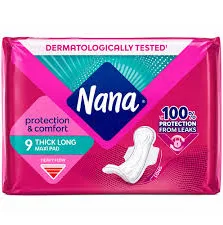
- cellulose, cotton blend, absorbent core
- We found no PFAS statement from the brand
- Bleach residues and processing chemicals in cellulose
3 hazards checked on this product, all on its full breakdown.
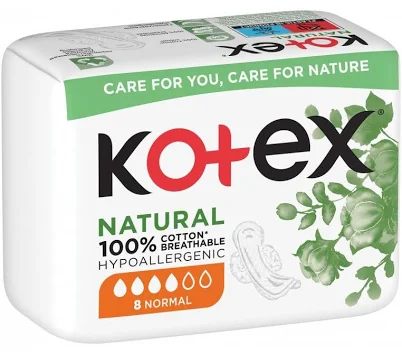
- Cotton, wood pulp absorbent core, plastic backing
- Pesticide residue
2 hazards checked on this product, all on its full breakdown.
More period pads grades
How we score, every product runs through the same public 0-100 rubric based on materials, coatings, brand disclosure, lab findings, and recalls. See the full methodology → Spotted a mistake? Report an error.