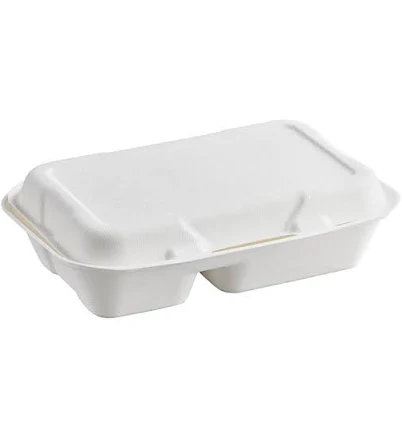
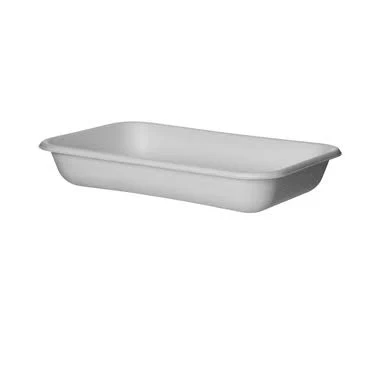
EcoChoice 9" x 6" x 3" Compostable White Plant Fiber 2 Compartment Takeout Container - 200/Case
Plant fiber takeout container with water-resistant coating of unspecified chemistry.
This compostable plant fiber container has a water-resistant treatment, but the coating chemistry is not stated. The brand has no PFAS statement on record. Water-repellent coatings have historically used PFAS compounds.
The better-graded swap
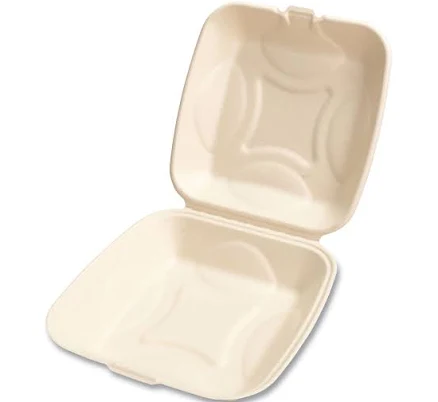
Bagasse
Bagasse PFAS-Free Food Containers
95/100 safety
Same rubric that flunked this product. The swap earned Excellent.
Still want this one anyway? Check the price on Amazon. We’d swap it.
Material
Plant fiber (compostable); presumed water-resistant coating unspecified
Brand disclosure
Brand is silent on PFAS
Lab data
No public lab test
You may also be interested in
Top-graded picks in the categories readers replace first, every one scored on the same rubric.

- polypropylene filter housing, carbon/sediment cartridge
- We found no PFAS statement from the brand
- Bacterial growth in spent cartridges
3 hazards checked on this product, all on its full breakdown.

Aquasure
Premier Series 75 GPD Under Sink Reverse Osmosis Water Filtration System
- RO membrane, carbon filters, stainless steel housing
- We found no PFAS statement from the brand
- Bacterial and microbial growth in housing and filters
4 hazards checked on this product, all on its full breakdown.

Avocado
Vegan Mattress
- organic cotton, natural latex, coconut coir, recycled steel coils
- The brand calls it PFAS-free, which we have not verified
- Heavy metals
2 hazards checked on this product, all on its full breakdown.
What EcoChoice 9" x 6" x 3" 200/Case is made of, ingredients and materials
This container is molded from plant fiber (likely sugarcane bagasse or wood pulp), a renewable alternative to polystyrene or PLA plastic. Plant fiber is inherently free of BPA, phthalates, and polystyrene concerns. The material requires a water-resistant coating to hold liquids; Panera does not publicly disclose whether this coating is PFAS-based, non-PFAS synthetic polymer, or plant-derived wax. The compartment design may harbor food residue in seams if not promptly cleaned before composting.
What’s concerning
Category baseline
The starting point for this type of product, before anything specific to this product is counted.
No PFAS disclosure
No public statement from the brand about PFAS in this product.
Waterproof / stain-resistant treatment
Water-repellent coating treatments have historically used PFAS.
PFAS
Plant fiber alone is not water-resistant; Panera has not disclosed whether the coating is fluorinated (PFAS), conventional synthetic polymer, or wax-based. Migration risk into foods is low for short-term ambient storage but rises with heat or acidic/fatty foods.
Source, ATSDR ↗Microbes and mold in seams if stored damp
The compartment dividers and seal lines can trap moisture and food residue, creating conditions for bacterial or fungal growth if the container is left wet before disposal or reuse. This is a handling issue rather than a material toxicity issue.
Incomplete compostability if coating is non-biodegradable
If the water-resistant coating is a persistent synthetic polymer, the container will not fully biodegrade in standard composting timescales (even industrial compost). This is an end-of-life concern rather than a food-contact safety hazard, but mismarketing as compostable has been a regulatory issue in the sector.
What’s reassuring
Allergen cross-contamination risk in shared compartments
The two-compartment design is not inherently a chemical hazard, but shared airspace or incomplete separation could allow flavor/odor transfer; users with severe allergies should verify isolation before use. No material toxicity issue identified.
Formaldehyde / VOCs
Plant fiber molding processes may use formaldehyde-releasing resins as binders. Panera does not disclose binder chemistry. No independent testing of this product for formaldehyde off-gassing has been published, so risk level cannot be confirmed.
Source, ATSDR ↗How is this PFAS grade calculated?
The brand's record and disclosure
Panera Bread has not published detailed ingredient declarations or independent testing results for its compostable packaging line. The brand markets these containers as environmentally preferred but remains silent on chemical composition and regulatory certifications (e.g., BPI certification for compostability, FDA food-contact approval documentation). No recalls or adverse reports specific to this container are on record. Lack of transparency on coating chemistry is a red flag for informed procurement but does not confirm a hazard.
How it compares in its category
Plant fiber containers occupy a middle ground, they avoid the microplastic and persistent polymer risks of conventional plastics and styrofoam, but often still rely on undisclosed coatings to achieve water resistance. Compared to uncoated paper (which fails for wet foods) or PLA plastic (which can leach additives if heated), plant fiber is generally viewed as lower-toxicity for short-term food contact. Actual composability depends on municipal infrastructure; home composting may be too cool to break down the coating.
If you buy it
Use for room-temperature or warm foods (under 140F / 60C) to minimize any coating leaching; avoid prolonged contact with acidic foods or alcohol-based condiments, which can accelerate polymer degradation. Do not microwave or freeze, as thermal stress may compromise the coating seal. Dispose in commercial compost bins if available; home composting may leave fragments. Store in a cool, dry place to prevent mold or off-gassing before use.
What is not known about PFAS in this product?
- Basis
- Model estimate, 62% confidence, not a lab result
- Lab test
- None on record for this exact product
- Brand statement
- EcoChoice has made none
Formulations change between production runs, so check the current label. How we grade.
What are the PFAS-free alternatives to EcoChoice 9" x 6" x 3" Compostable White Plant Fiber 2 Compartment Takeout Container - 200/Case?
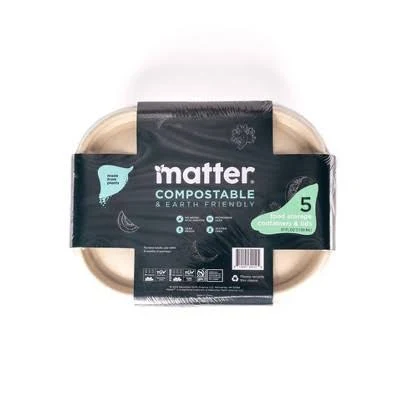
- Plant-based fiber pulp (compostable)
- A third party reports verifying it as PFAS-free
- Microbe/mold growth if stored damp
2 hazards checked on this product, all on its full breakdown.
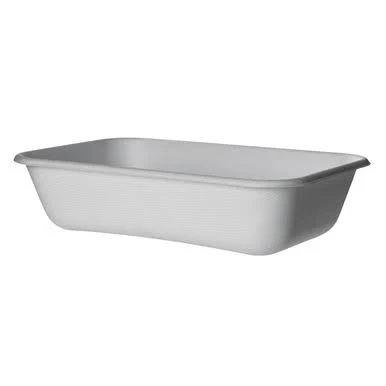
Eco-Products
Eco Products WorldView Compostable Take-Out Containers EP-SCRC32
- Plant-based fiber (compostable sugarcane bagasse)
- A third party reports verifying it as PFAS-free
- Bleaching agents and processing residues
3 hazards checked on this product, all on its full breakdown.
Eco-Products
WorldView Sugarcane Take-Out Containers
- Sugarcane bagasse (post-consumer fiber)
- A third party reports verifying it as PFAS-free
- Cellulose fiber degradation and food contact
2 hazards checked on this product, all on its full breakdown.
More food packaging grades
How we score, every product runs through the same public 0-100 rubric based on materials, coatings, brand disclosure, lab findings, and recalls. See the full methodology → Spotted a mistake? Report an error.