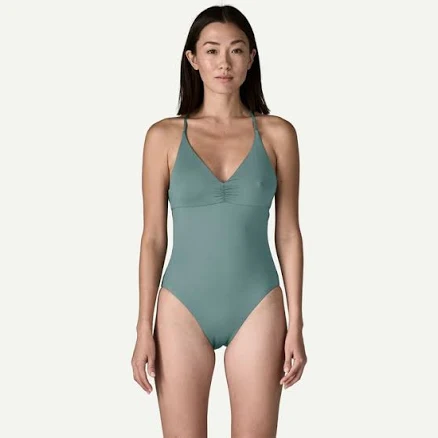
Patagonia Women's Cross Shore One-Piece Swimsuit
A water-repellent or grease-resistant treatment of unstated chemistry, with a brand PFAS statement we have not verified.
Patagonia says 100% of its new products from Spring 2025 are made without intentionally added PFAS. We record that as an unverified brand claim. Its record describes a water-repellent or grease-resistant treatment of unstated chemistry, which is still counted.
Brand says: “Patagonia says 100% of its new products from Spring 2025 are made without intentionally added PFAS.”
The better-graded swap
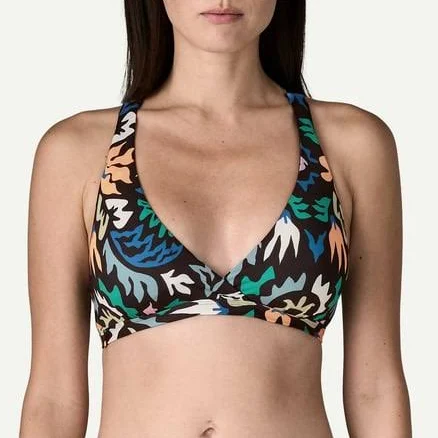
Patagonia
Patagonia Women's Bottom Turn Racerback Bikini Top
90/100 safety
Same rubric that flunked this product. The swap earned Excellent.
Still want this one anyway? Check the price on Amazon. We’d swap it.
Material
Nylon/polyamide blend with water-repellent coating treatment
Brand disclosure
Brand claims PFAS-free
Lab data
No public lab test
You may also be interested in
Top-graded picks in the categories readers replace first, every one scored on the same rubric.

- polypropylene filter housing, carbon/sediment cartridge
- We found no PFAS statement from the brand
- Bacterial growth in spent cartridges
3 hazards checked on this product, all on its full breakdown.

Aquasure
Premier Series 75 GPD Under Sink Reverse Osmosis Water Filtration System
- RO membrane, carbon filters, stainless steel housing
- We found no PFAS statement from the brand
- Bacterial and microbial growth in housing and filters
4 hazards checked on this product, all on its full breakdown.

Avocado
Vegan Mattress
- organic cotton, natural latex, coconut coir, recycled steel coils
- The brand calls it PFAS-free, which we have not verified
- Heavy metals
2 hazards checked on this product, all on its full breakdown.
What Patagonia Women's Cross Shore Swimsuit is made of, ingredients and materials
This swimsuit is constructed from nylon (polyamide) blended with elastane, a common high-stretch base for swimwear that resists chlorine and saltwater degradation. The water-repellent coating (water-repellent coating) finish is applied to improve water shedding and dry time, but Patagonia has not publicly disclosed the specific chemistry of this treatment. Nylon itself is stable and non-leaching under normal wear; the water-repellent coating layer is the potential concern, as such treatments historically contained PFAS compounds, though modern alternatives exist.
What’s concerning
Category baseline
The starting point for this type of product, before anything specific to this product is counted.
Waterproof / stain-resistant treatment
Water-repellent coating treatments have historically used PFAS.
PFAS
Patagonia claims PFAS-free water-repellent coating treatment but has not disclosed the specific chemical composition or provided third-party verification. Modern alternatives (silicone or wax-based) exist and are likely, but the absence of transparency means PFAS presence cannot be ruled out.
Source, ATSDR ↗Elastane degradation and microfiber release
Elastane (spandex) in swimwear is known to shed microfibers during washing and wear, particularly as the material ages. Nylon itself is stable, but repeated stress from stretching and chlorine/salt exposure will increase fiber shedding over time.
Chlorine and saltwater interaction with water-repellent coating
Chlorine and salt can gradually degrade the water-repellent coating layer and potentially alter its chemistry; this is a physical degradation concern rather than a leaching risk, but it may expose underlying nylon or cause unintended chemical byproducts. Rinsing after use mitigates this risk.
What’s reassuring
Brand-stated PFAS-free
The brand states this product is PFAS-free. We have not verified the claim.
Heavy metals
Patagonia does not have known recalls or public complaints regarding dye contamination or heavy metals in this product line. Standard nylon dyes used by major brands are regulated and unlikely to leach, but batch-specific testing is not publicly available.
Source, FDA ↗Formaldehyde / VOCs
No public record of formaldehyde-release issues in Patagonia swimwear. Modern nylon swimsuit finishing typically does not rely on formaldehyde resins, but Patagonia's disclosure practices do not explicitly rule this out for this product.
Source, ATSDR ↗How is this PFAS grade calculated?
The brand's record and disclosure
Patagonia has publicly committed to eliminating PFAS from its product line and has removed PFAS-containing treatments from many garments. However, their claim of PFAS-free status for this specific swimsuit has not been independently verified, and they have not disclosed the chemical name or manufacturer of the water-repellent coating treatment used. The brand has a strong history of transparency on environmental and chemical issues, which increases credibility of their commitment, but the absence of third-party verification or detailed supply-chain documentation leaves room for uncertainty.
How it compares in its category
Most competitive swimsuits use nylon or polyester with either PFAS-based water-repellent coating finishes or fluorine-free alternatives (typically wax-based or silicone-based). Patagonia's positioning as an environmentally conscious brand suggests they are more likely to have adopted a low-PFAS or PFAS-free option than many mass-market competitors, but without independent lab confirmation, this remains an assessment of intent rather than fact. The nylon-elastane base itself is standard, with lower concern than older polyester blends that used antimony catalysts.
If you buy it
Rinse thoroughly after saltwater or chlorine exposure to reduce buildup of minerals and chemical residues that can degrade the water-repellent coating finish and material. Wash in cool to warm water (not hot) with mild detergent; avoid fabric softeners, which degrade water repellency and can accumulate on the fibers. Air-dry out of direct sunlight to extend elastane lifespan; UV exposure will degrade the material faster than water alone. Replace the swimsuit every 1-2 years of regular use, or sooner if seams separate or elastane loses stretch, as the water-repellent coating treatment will naturally wear off and cannot be reliably reapplied at home.
What is not known about PFAS in this product?
- Basis
- Model estimate, 45% confidence, not a lab result
- Lab test
- None on record for this exact product
- Brand statement
- Patagonia has made a specific claim
Formulations change between production runs, so check the current label. How we grade.
What are the PFAS-free alternatives to Patagonia Women's Cross Shore One-Piece Swimsuit?
- Nylon/polyester blend with elastane (standard swimwear)
- The brand calls it PFAS-free, which we have not verified
- Elastane (spandex) degradation under heat or chlorine
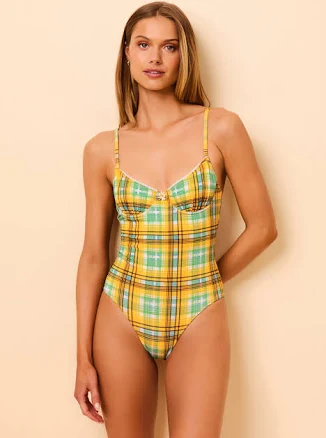
- Cotton/cotton-blend seersucker plaid
- We found no PFAS statement from the brand
- Azo dyes and colorfast stability
2 hazards checked on this product, all on its full breakdown.
Find an alternative on Amazon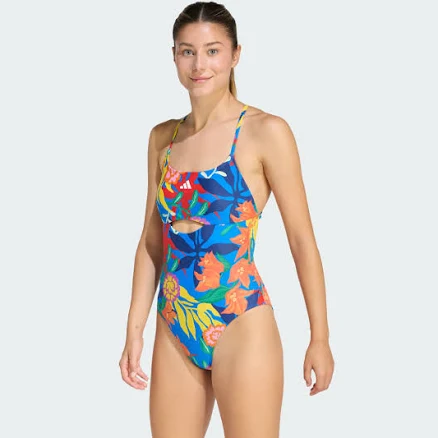
- Polyester/nylon swimsuit fabric, likely uncoated or standard finish
- Azo dyes and synthetic colorants
4 hazards checked on this product, all on its full breakdown.
Find an alternative on AmazonMore swimwear grades
How we score, every product runs through the same public 0-100 rubric based on materials, coatings, brand disclosure, lab findings, and recalls. See the full methodology → Spotted a mistake? Report an error.