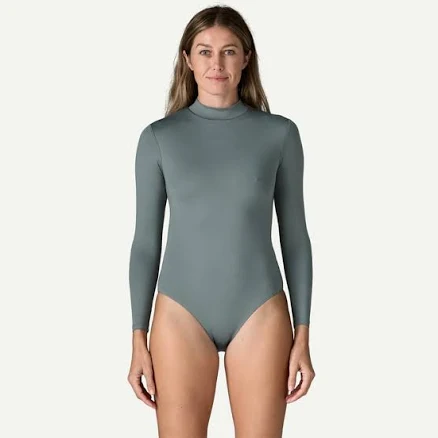
Patagonia Women's Long Sleeved Swell Seeker One Piece Swimsuit
A water-repellent or grease-resistant treatment of unstated chemistry, with a brand PFAS statement we have not verified.
Patagonia says 100% of its new products from Spring 2025 are made without intentionally added PFAS. We record that as an unverified brand claim. Its record describes a water-repellent or grease-resistant treatment of unstated chemistry, which is still counted.
Brand says: “Patagonia says 100% of its new products from Spring 2025 are made without intentionally added PFAS.”
The better-graded swap
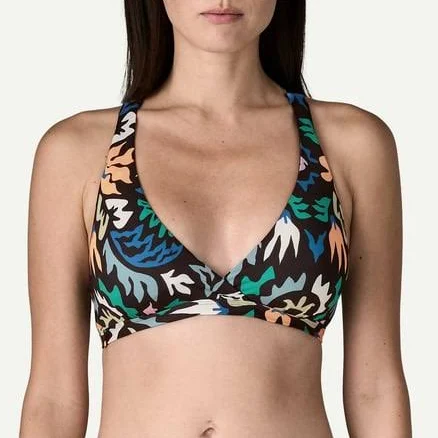
Patagonia
Patagonia Women's Bottom Turn Racerback Bikini Top
90/100 safety
Same rubric that flunked this product. The swap earned Excellent.
Still want this one anyway? Check the price on Amazon. We’d swap it.
Material
Nylon/polyamide with water-repellent coating (water-repellent coating) finish
Brand disclosure
Brand claims PFAS-free
Lab data
No public lab test
You may also be interested in
Top-graded picks in the categories readers replace first, every one scored on the same rubric.

- polypropylene filter housing, carbon/sediment cartridge
- We found no PFAS statement from the brand
- Bacterial growth in spent cartridges
3 hazards checked on this product, all on its full breakdown.

Aquasure
Premier Series 75 GPD Under Sink Reverse Osmosis Water Filtration System
- RO membrane, carbon filters, stainless steel housing
- We found no PFAS statement from the brand
- Bacterial and microbial growth in housing and filters
4 hazards checked on this product, all on its full breakdown.

Avocado
Vegan Mattress
- organic cotton, natural latex, coconut coir, recycled steel coils
- The brand calls it PFAS-free, which we have not verified
- Heavy metals
2 hazards checked on this product, all on its full breakdown.
What Patagonia Women's Long Piece Swimsuit is made of, ingredients and materials
This swimsuit is nylon (polyamide) with a water-repellent coating finish applied to repel water and oils. Nylon itself is chemically stable in normal use and does not leach BPA or phthalates. The water-repellent coating finish is the variable, Patagonia claims PFAS-free chemistry, but the specific alternative treatment (silicone-based, fluorine-free polymer, or other) is not disclosed on available product information. water-repellent coating finishes can degrade with washing and sun exposure, gradually reducing water repellency but not creating safety hazards.
What’s concerning
Category baseline
The starting point for this type of product, before anything specific to this product is counted.
Waterproof / stain-resistant treatment
Water-repellent coating treatments have historically used PFAS.
PFAS
Patagonia claims PFAS-free treatment, but the alternative chemistry (silicone, fluorine-free polymer, or other) is not named in product documentation. No independent testing or recalls for this model are on record. The claim cannot be verified from publicly available sources.
Source, ATSDR ↗Elastic degradation and skin irritation
Chlorine and saltwater accelerate breakdown of spandex/elastane blends in waistbands and leg openings. As elastic degrades, seams may chafe skin; this is a wear-life issue, not a chemical toxicity issue. Typical lifespan is 1-2 years with regular use.
Microplastic shedding from wear
Nylon textiles shed microfibers during washing and wearing. This is an environmental concern more than a user safety concern, but microplastic ingestion through skin contact or dermal absorption is not established as a hazard. Standard care (hand wash, air dry) reduces shedding.
What’s reassuring
Brand-stated PFAS-free
The brand states this product is PFAS-free. We have not verified the claim.
Azo dyes in nylon fabric
Nylon swimwear typically uses acid or disperse dyes. No specific recalls or warnings exist for Patagonia Women's Swell Seeker regarding prohibited azo dyes. Patagonia's manufacturing standards generally exclude restricted azo compounds, but this is not product-specific documentation.
Formaldehyde / VOCs
Nylon swimwear does not typically require formaldehyde-based resins for shape-retention or wrinkle resistance (those are more common in cotton blends). No known formaldehyde risk for this product.
Source, ATSDR ↗How is this PFAS grade calculated?
The brand's record and disclosure
Patagonia has publicly committed to PFAS-free textile treatments and publishes sustainability reports. However, the company has not provided independent third-party verification or testing data for this specific product's water-repellent coating finish in publicly available sources. Patagonia's supply chain practices are generally transparent compared to competitors, but claims of PFAS-free status remain unverified by external labs. The brand has faced criticism from environmental groups for not publishing full chemical ingredient lists for coatings.
How it compares in its category
Most commercial swimwear uses nylon or polyester with water-repellent coating finishes, and many brands still rely on PFAS-based fluorocarbon treatments. Patagonia's stated commitment to PFAS-free finishes places it ahead of mainstream athletic brands, though far-left eco-brands (e.g., Finisterre, Seea) often provide more granular chemical disclosure. Budget swimwear rarely discloses water-repellent coating chemistry at all. This product sits in the mid-range for transparency and claimed safety, pending verification.
If you buy it
Rinse the swimsuit in fresh water before first wear to remove any residual coating chemicals or manufacturing residue. Wash in cool water by hand and air-dry to extend the water-repellent coating finish life (typically 30-50 wears before noticeable degradation). Do not machine-dry or expose to direct heat, as this can degrade both the nylon and the water-repellent coating layer. Replace the suit when elastic loses recovery, as nylon itself poses no ongoing chemical risk but an ill-fitting suit increases chafing and discomfort.
What is not known about PFAS in this product?
- Basis
- Model estimate, 55% confidence, not a lab result
- Lab test
- None on record for this exact product
- Brand statement
- Patagonia has made a specific claim
Formulations change between production runs, so check the current label. How we grade.
What are the PFAS-free alternatives to Patagonia Women's Long Sleeved Swell Seeker One Piece Swimsuit?
- Nylon/polyester blend with elastane (standard swimwear)
- The brand calls it PFAS-free, which we have not verified
- Elastane (spandex) degradation under heat or chlorine
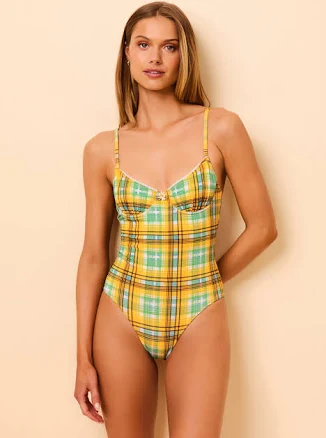
- Cotton/cotton-blend seersucker plaid
- We found no PFAS statement from the brand
- Azo dyes and colorfast stability
2 hazards checked on this product, all on its full breakdown.
Find an alternative on Amazon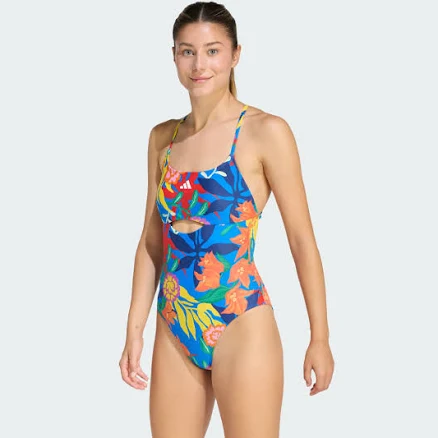
- Polyester/nylon swimsuit fabric, likely uncoated or standard finish
- Azo dyes and synthetic colorants
4 hazards checked on this product, all on its full breakdown.
Find an alternative on AmazonMore swimwear grades
How we score, every product runs through the same public 0-100 rubric based on materials, coatings, brand disclosure, lab findings, and recalls. See the full methodology → Spotted a mistake? Report an error.