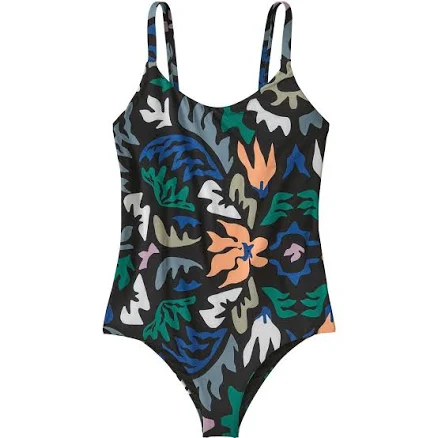
Patagonia Women's Sunny Tide One-Piece Swimsuit
A water-repellent or grease-resistant treatment of unstated chemistry, with a brand PFAS statement we have not verified.
Patagonia says 100% of its new products from Spring 2025 are made without intentionally added PFAS. We record that as an unverified brand claim. Its record describes a water-repellent or grease-resistant treatment of unstated chemistry, which is still counted.
Brand says: “Patagonia says 100% of its new products from Spring 2025 are made without intentionally added PFAS.”
The better-graded swap
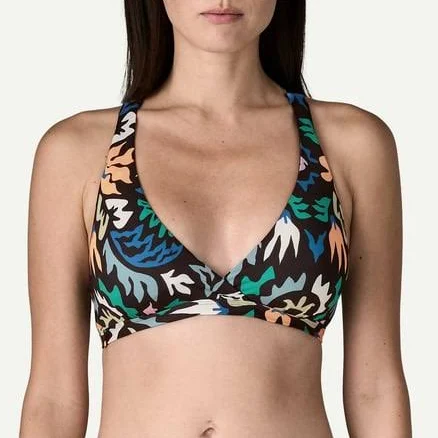
Patagonia
Patagonia Women's Bottom Turn Racerback Bikini Top
90/100 safety
Same rubric that flunked this product. The swap earned Excellent.
Still want this one anyway? Check the price on Amazon. We’d swap it.
Material
Nylon/polyester blend with water-repellent coating treatment
Brand disclosure
Brand claims PFAS-free
Lab data
No public lab test
You may also be interested in
Top-graded picks in the categories readers replace first, every one scored on the same rubric.

- polypropylene filter housing, carbon/sediment cartridge
- We found no PFAS statement from the brand
- Bacterial growth in spent cartridges
3 hazards checked on this product, all on its full breakdown.

Aquasure
Premier Series 75 GPD Under Sink Reverse Osmosis Water Filtration System
- RO membrane, carbon filters, stainless steel housing
- We found no PFAS statement from the brand
- Bacterial and microbial growth in housing and filters
4 hazards checked on this product, all on its full breakdown.

Avocado
Vegan Mattress
- organic cotton, natural latex, coconut coir, recycled steel coils
- The brand calls it PFAS-free, which we have not verified
- Heavy metals
2 hazards checked on this product, all on its full breakdown.
What Patagonia Women's Sunny Tide Swimsuit is made of, ingredients and materials
This swimsuit is a nylon/polyester blend, common in mid-to-premium swimwear for stretch, durability, and quick-dry properties. The water-repellent coating (water-repellent coating) finish is applied to improve water shedding and reduce chlorine absorption. Nylon and polyester themselves are low-toxicity base fibers; the treatment chemistry is the only material-specific concern here, and Patagonia has not disclosed what water-repellent coating agent is used despite claiming PFAS-free status.
What’s concerning
Category baseline
The starting point for this type of product, before anything specific to this product is counted.
Waterproof / stain-resistant treatment
Water-repellent coating treatments have historically used PFAS.
water-repellent coating treatment chemistry (undisclosed)
Patagonia claims PFAS-free status but has not disclosed the specific water-repellent coating agent used in this swimsuit. Without chemical identification, residual or novel water-repellent compounds cannot be ruled out. This is a data gap, not confirmed contamination.
Microplastics
All nylon/polyester garments shed microfibers during washing. Wearing and laundering this swimsuit will release microscopic plastic particles into water systems; using a microfiber-capture laundry bag can reduce release by 85-90 percent.
Source, EPA ↗Chlorine and UV degradation of elastic
Spandex and elastane in swimwear degrade faster in chlorinated pools and direct sunlight. Regular freshwater rinsing and proper storage away from heat will slow degradation; lifespan depends heavily on care habits.
What’s reassuring
Brand-stated PFAS-free
The brand states this product is PFAS-free. We have not verified the claim.
Azo dyes in polyester
No specific azo dye concerns or recalls are on record for Patagonia swimwear. Patagonia's dyeing processes are generally subject to higher environmental standards than competitors, reducing but not eliminating theoretical risk.
Formaldehyde / VOCs
Formaldehyde-based finishing agents are sometimes used to set dyes or improve shape retention in nylon/polyester swimwear. No documented formaldehyde issues have been reported for this product or brand.
Source, ATSDR ↗How is this PFAS grade calculated?
The brand's record and disclosure
Patagonia has made a public commitment to PFAS-free products and has published sustainability reports. However, the specific chemistry of this swimsuit's water-repellent coating treatment is not disclosed in available product documentation, which means the PFAS-free claim cannot be independently verified for this item. The brand has been transparent on some product lines but inconsistently detailed on swimming apparel, making verification difficult.
How it compares in its category
Most mainstream swimwear uses nylon/polyester with water-repellent coating finishes; the material blend is industry standard and not a safety outlier. Patagonia's positioning in the premium segment means higher quality control than budget alternatives, but the water-repellent coating chemistry question applies to nearly all water-repellent swimwear. Swimsuits marketed as 'PFAS-free' vary widely in third-party substantiation, making this product representative of a broader disclosure gap in the category.
If you buy it
Rinse thoroughly in fresh water after each use, especially in chlorinated pools, to reduce chemical buildup and extend fabric life. Wash in cool water with mild detergent and avoid fabric softeners, which can degrade the water-repellent coating finish. Do not bleach or dry-clean; air-dry flat or on a hanger away from direct heat. Replace when elasticity noticeably declines or seams show wear, typically after 2-3 years of regular use.
What is not known about PFAS in this product?
- Basis
- Model estimate, 45% confidence, not a lab result
- Lab test
- None on record for this exact product
- Brand statement
- Patagonia has made a specific claim
Formulations change between production runs, so check the current label. How we grade.
What are the PFAS-free alternatives to Patagonia Women's Sunny Tide One-Piece Swimsuit?
- Nylon/polyester blend with elastane (standard swimwear)
- The brand calls it PFAS-free, which we have not verified
- Elastane (spandex) degradation under heat or chlorine
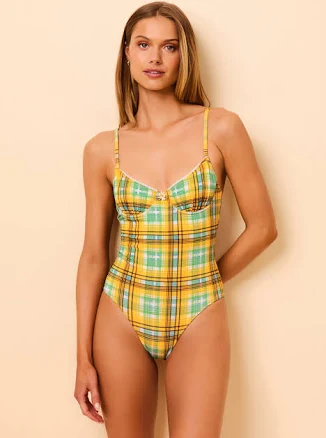
- Cotton/cotton-blend seersucker plaid
- We found no PFAS statement from the brand
- Azo dyes and colorfast stability
2 hazards checked on this product, all on its full breakdown.
Find an alternative on Amazon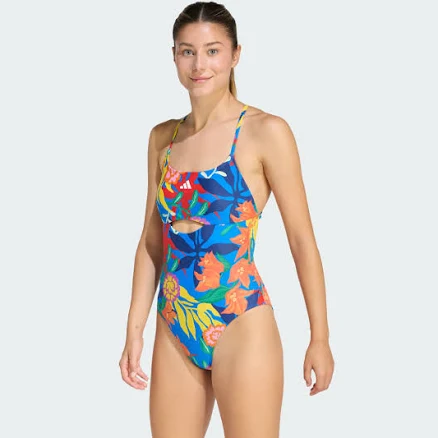
- Polyester/nylon swimsuit fabric, likely uncoated or standard finish
- Azo dyes and synthetic colorants
4 hazards checked on this product, all on its full breakdown.
Find an alternative on AmazonMore swimwear grades
How we score, every product runs through the same public 0-100 rubric based on materials, coatings, brand disclosure, lab findings, and recalls. See the full methodology → Spotted a mistake? Report an error.