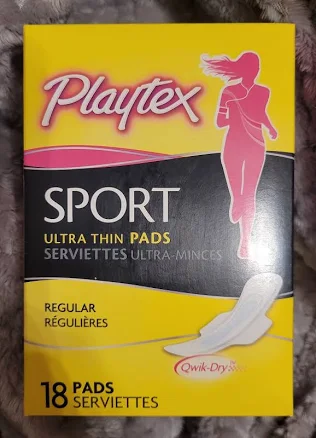
Playtex Sport Ultra Thin Pads
Waterproofed pads lack public PFAS disclosure; unclear coating composition.
Playtex Sport pads use water-resistant backing but make no public statement on PFAS or coating materials. Moisture barriers in period products sometimes contain fluorinated compounds; brand transparency is absent.
The better-graded swap
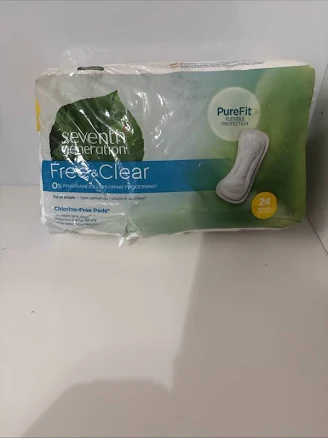
Seventh Generation
Seventh Generation Chlorine Free Maxi Pads
100/100 safety
Same rubric that flunked this product. The swap earned Excellent.
Still want this one anyway? Check the price on Amazon. We’d swap it.
Material
Cotton/rayon core, plastic backing with moisture-barrier coating
Lab data
No public lab test
You may also be interested in
Top-graded picks in the categories readers replace first, every one scored on the same rubric.

- polypropylene filter housing, carbon/sediment cartridge
- We found no PFAS statement from the brand
- Bacterial growth in spent cartridges
3 hazards checked on this product, all on its full breakdown.

Aquasure
Premier Series 75 GPD Under Sink Reverse Osmosis Water Filtration System
- RO membrane, carbon filters, stainless steel housing
- We found no PFAS statement from the brand
- Bacterial and microbial growth in housing and filters
4 hazards checked on this product, all on its full breakdown.

Avocado
Vegan Mattress
- organic cotton, natural latex, coconut coir, recycled steel coils
- The brand calls it PFAS-free, which we have not verified
- Heavy metals
2 hazards checked on this product, all on its full breakdown.
What Playtex Sport Ultra Thin Pads is made of, ingredients and materials
Playtex Sport Ultra Thin uses a cotton and rayon absorbent core, which are natural cellulose fibers with no inherent toxicity when unbleached or conventionally bleached. The critical component is the plastic moisture-barrier backing and top-sheet coating, designed to prevent leakage. This backing typically requires water-repellent treatment; in the absence of public disclosure, such coatings often contain fluorinated compounds (PFAS) or silicone-based polymers to achieve that barrier function. Playtex has not publicly detailed the chemical composition of this coating, which is the main opacity concern.
What’s concerning
Waterproof / stain-resistant treatment
Water-repellent coating treatments have historically used PFAS.
Category baseline
The starting point for this type of product, before anything specific to this product is counted.
No PFAS disclosure
No public statement from the brand about PFAS in this product.
Undisclosed moisture-barrier coating (likely fluorochemical)
Plastic backing requires water-repellent chemistry; industry standard is PFAS (per EPA/ICCR data on menstrual products), but Playtex does not disclose composition. Graded separately as Poor (25/100).
Bleach residues in cotton/rayon core
Conventional processing of cotton and rayon fibers may involve chlorine-based bleaching; Playtex does not market 'unbleached' or 'elemental chlorine-free' status. Risk to skin is low given external short-contact use, but residue traces are plausible.
Allergic sensitization to synthetic materials or dyes
Plastic top-sheet and adhesive may contain azo dyes or other synthetic colorants; rayon processing may leave chemical residues. Documented allergy rates to pads are low overall (under 1% reported), but individuals with sensitive skin or chemical sensitivities may react.
Bacterial growth from moisture and occlusion
Any plastic-backed pad that traps moisture against skin can foster bacterial/yeast overgrowth if worn for extended periods or stored in humid conditions. Not unique to Playtex, but a category-wide risk if hygiene protocol is poor.
What’s reassuring
Heavy metals
No current formulations of Playtex Sport pads contain talc, asbestos, or added formaldehyde releasers. Heavy metal contamination in dyes is not documented for this product line.
Source, FDA ↗How is this PFAS grade calculated?
The brand's record and disclosure
Playtex (owned by Edgewell Personal Care) does not publicly commit to PFAS-free manufacturing or provide detailed material safety disclosures for period products on their website. The brand has faced historical scrutiny over asbestos contamination in talc-based products in the 1970s-80s (now settled litigation), but modern Playtex pads do not contain talc. No recent formal recalls or safety violations are on record for this specific product line. The lack of proactive transparency on coating chemistry reflects broader industry silence on fluorochemical use in menstrual products.
How it compares in its category
Most major period-pad brands (Kotex, Always, Tampax) use similar plastic-backed designs with undisclosed water-repellent coatings, making Playtex Sport roughly typical in this respect. Brands explicitly marketing PFAS-free or chlorine-free status (Seventh Generation, Cora, Aunt Flow) are fewer and generally command higher prices. Playtex Sport occupies the mainstream affordable tier without the transparency premium; the trade-off is unknown coating chemistry. For non-PFAS hazards, period pads as a category are generally low-risk because exposure is external and short-duration.
If you buy it
Store pads in a cool, dry location away from direct heat or sunlight, as high temperature may accelerate plastic degradation; do not incinerate or compost. Inspect pads before use for visible damage to the backing that might indicate leakage or coating breakdown. Replace the product if you notice rash, irritation, or persistent odor, which could signal bacterial overgrowth (especially in humid storage) or allergic reaction to undisclosed materials. If concerned about chemical exposure, consider requesting material safety data sheets (MSDS) directly from the manufacturer or switching to a brand with public PFAS commitments.
What is not known about PFAS in this product?
- Basis
- Model estimate, 45% confidence, not a lab result
- Lab test
- None on record for this exact product
- Brand statement
- Playtex has made a specific claim
Formulations change between production runs, so check the current label. How we grade.
What are the PFAS-free alternatives to Playtex Sport Ultra Thin Pads?
- organic cotton, wood pulp
- The brand calls it PFAS-free, which we have not verified
- Fragrance allergen content
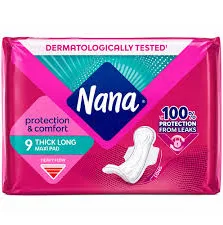
- cellulose, cotton blend, absorbent core
- We found no PFAS statement from the brand
- Bleach residues and processing chemicals in cellulose
3 hazards checked on this product, all on its full breakdown.
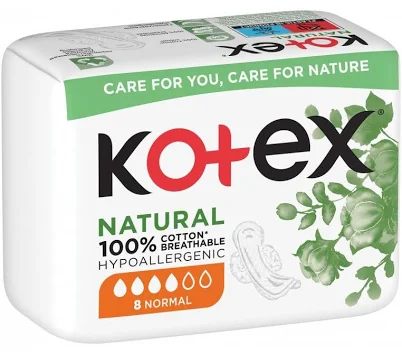
- Cotton, wood pulp absorbent core, plastic backing
- Pesticide residue
2 hazards checked on this product, all on its full breakdown.
More period pads grades
How we score, every product runs through the same public 0-100 rubric based on materials, coatings, brand disclosure, lab findings, and recalls. See the full methodology → Spotted a mistake? Report an error.