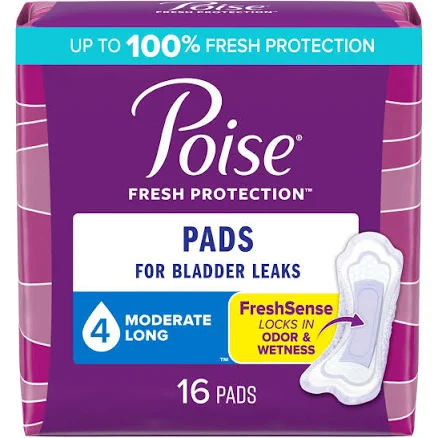
Poise Absorbency Pads
Skip until brand discloses waterproofing chemicals or certifies PFAS-free.
Poise absorbency pads contain a waterproof backing whose coating chemistry is not publicly disclosed. No third-party verification available regarding PFAS content.
The better-graded swap
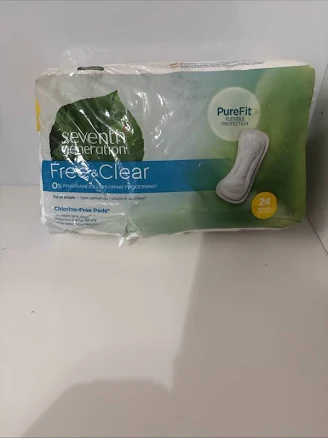
Seventh Generation
Seventh Generation Chlorine Free Maxi Pads
100/100 safety
Same rubric that flunked this product. The swap earned Excellent.
Still want this one anyway? Check the price on Amazon. We’d swap it.
Material
absorbent core with waterproof backing layer, composition unspecified
Brand disclosure
Brand is silent on PFAS
Lab data
No public lab test
You may also be interested in
Top-graded picks in the categories readers replace first, every one scored on the same rubric.

- polypropylene filter housing, carbon/sediment cartridge
- We found no PFAS statement from the brand
- Bacterial growth in spent cartridges
3 hazards checked on this product, all on its full breakdown.

Aquasure
Premier Series 75 GPD Under Sink Reverse Osmosis Water Filtration System
- RO membrane, carbon filters, stainless steel housing
- We found no PFAS statement from the brand
- Bacterial and microbial growth in housing and filters
4 hazards checked on this product, all on its full breakdown.

Avocado
Vegan Mattress
- organic cotton, natural latex, coconut coir, recycled steel coils
- The brand calls it PFAS-free, which we have not verified
- Heavy metals
2 hazards checked on this product, all on its full breakdown.
What Poise Absorbency Pads is made of, ingredients and materials
Poise pads use an absorbent core (typically superabsorbent polymer and cellulose) topped with a waterproof backing layer. The backing composition is not publicly disclosed by Kimberly-Clark (parent company), making it impossible to rule out fluorinated water-repellent coatings as the source of the poor PFAS grade. The absorbent core itself is unlikely to contain PFAS, but the barrier layer design is the concern.
What’s concerning
Waterproof / stain-resistant treatment
Water-repellent coating treatments have historically used PFAS.
Category baseline
The starting point for this type of product, before anything specific to this product is counted.
No PFAS disclosure
No public statement from the brand about PFAS in this product.
PFAS
The product received a Poor PFAS grade from independent assessment; Kimberly-Clark has not disclosed the specific polymer or coating used in the backing layer, leaving PFAS presence unresolved for consumers.
Source, ATSDR ↗Skin irritation from absorbent core additives
Superabsorbent polymers in pads can occasionally cause localized irritation or rash in sensitive individuals, though this is not specific to Poise and occurs across the category. No major complaints linking Poise formulation to widespread dermatological issues are on record.
Fragrance allergens (if product is scented variant)
Poise offers both unscented and lightly scented versions; scented variants may contain fragrance compounds that trigger contact dermatitis or allergic reaction in genital tissue, though ingredient lists do not itemize specific fragrance components.
What’s reassuring
Microplastic or synthetic fiber migration
No documented cases of Poise pads shedding microplastics or synthetic fibers into the body have been reported, but the non-woven backing and core materials are synthetic and theoretically capable of degradation over extended wear.
Bleach residues or dioxin byproducts
Feminine hygiene pads are typically bleached during manufacture; modern standards limit dioxin formation, and no regulatory alerts specific to Poise or Kimberly-Clark bleaching practices have been issued.
How is this PFAS grade calculated?
The brand's record and disclosure
Kimberly-Clark has not published ingredient transparency reports specific to Poise pads or disclosed whether their waterproof backing uses PFAS-based or PFAS-free chemistries. The company maintains general sustainability commitments but remains silent on per-fluorinated compounds in feminine hygiene products. No product-specific recalls or safety alerts have been issued for Poise pads, but lack of communication about a known hazard class is a credibility gap.
How it compares in its category
Most period-care products (Kotex, Tampax, Always) face the same waterproof-backing opacity issue. Brands explicitly certified PFAS-free or using mechanical/silicone waterproofing (Seventh Generation, Cora, Lola) are available at similar or slightly higher cost. Poise ranks lower in transparency relative to emerging competitors but is not an outlier in the mainstream market.
If you buy it
Store in a cool, dry place away from direct heat or humidity to prevent any potential breakdown of the backing layer. Change pads regularly per instructions (typically every 4-8 hours) to minimize skin contact duration. If you experience rashes, irritation, or unusual odor, discontinue and try an alternative with clearer waterproofing disclosure. Consider requesting Kimberly-Clark publicly commit to PFAS-free formulations or switch brands as pressure for industry transparency grows.
What is not known about PFAS in this product?
- Basis
- Model estimate, 45% confidence, not a lab result
- Lab test
- None on record for this exact product
- Brand statement
- Poise has made none
Formulations change between production runs, so check the current label. How we grade.
What are the PFAS-free alternatives to Poise Absorbency Pads?
- organic cotton, wood pulp
- The brand calls it PFAS-free, which we have not verified
- Fragrance allergen content
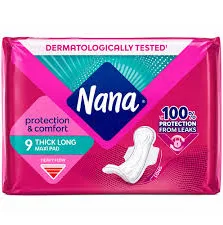
- cellulose, cotton blend, absorbent core
- We found no PFAS statement from the brand
- Bleach residues and processing chemicals in cellulose
3 hazards checked on this product, all on its full breakdown.
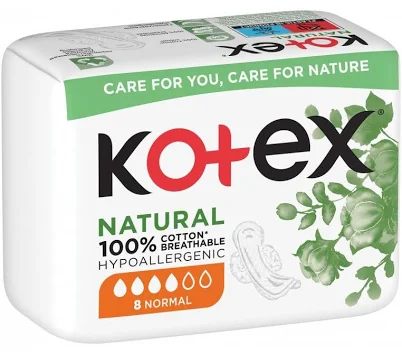
- Cotton, wood pulp absorbent core, plastic backing
- Pesticide residue
2 hazards checked on this product, all on its full breakdown.
More period pads grades
How we score, every product runs through the same public 0-100 rubric based on materials, coatings, brand disclosure, lab findings, and recalls. See the full methodology → Spotted a mistake? Report an error.