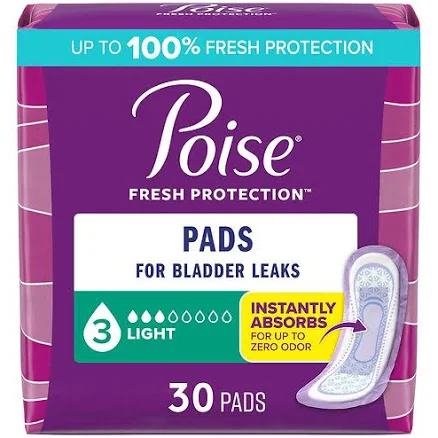
Poise Light Pads
Incontinence pads likely use water-resistant treatment; PFAS risk unclear without lab testing.
Poise does not disclose PFAS or water-resistant coating composition. Absorbent hygiene products often use water-repellent coating treatments that may contain PFAS, but no public lab data exists for this product.
The better-graded swap
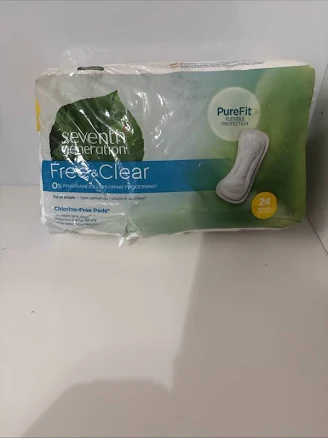
Seventh Generation
Seventh Generation Chlorine Free Maxi Pads
100/100 safety
Same rubric that flunked this product. The swap earned Excellent.
Still want this one anyway? Check the price on Amazon. We’d swap it.
Material
absorbent core, cellulose, likely water-resistant backing
Brand disclosure
Brand is silent on PFAS
Lab data
No public lab test
You may also be interested in
Top-graded picks in the categories readers replace first, every one scored on the same rubric.

- polypropylene filter housing, carbon/sediment cartridge
- We found no PFAS statement from the brand
- Bacterial growth in spent cartridges
3 hazards checked on this product, all on its full breakdown.

Aquasure
Premier Series 75 GPD Under Sink Reverse Osmosis Water Filtration System
- RO membrane, carbon filters, stainless steel housing
- We found no PFAS statement from the brand
- Bacterial and microbial growth in housing and filters
4 hazards checked on this product, all on its full breakdown.

Avocado
Vegan Mattress
- organic cotton, natural latex, coconut coir, recycled steel coils
- The brand calls it PFAS-free, which we have not verified
- Heavy metals
2 hazards checked on this product, all on its full breakdown.
What Poise Light Pads is made of, ingredients and materials
Poise Light Pads use an absorbent cellulose core (standard for period pads) combined with a water-resistant backing layer, likely a plastic film or coating to prevent leakage. The backing is the critical unknown, water-resistance in feminine hygiene products is commonly achieved with fluorinated compounds (PFAS) or polyethylene films. Cellulose itself is low-risk, but the backing formulation and any adhesives used are not publicly detailed by the brand.
What’s concerning
Waterproof / stain-resistant treatment
Water-repellent coating treatments have historically used PFAS.
Category baseline
The starting point for this type of product, before anything specific to this product is counted.
No PFAS disclosure
No public statement from the brand about PFAS in this product.
PFAS
Water-resistant coatings on period pads commonly use fluorinated compounds; Poise does not disclose whether its backing is PFAS-treated. No independent testing data found in public records.
Source, ATSDR ↗What’s reassuring
Skin irritation from adhesives or coatings
No widespread complaints or recalls tied to Poise pad adhesives or backing materials; however, individual sensitivities to plastic films or uncured resins are possible and would not show up in aggregate data.
Microplastic shedding from degraded backing
Pads are single-use and discarded within hours; long-term backing degradation is not a concern. No evidence of flaking or delamination reported for Poise Light Pads.
Formaldehyde / VOCs
Cellulose cores are typically not treated with formaldehyde resins in pad manufacturing, though adhesives or sizing compounds could theoretically contain them; Poise provides no test data to confirm or rule this out.
Source, ATSDR ↗Heavy metals
Period pads do not require dyes for function and Poise Light Pads appear uncolored; no basis for concern regarding dye-related heavy metal contamination.
Source, FDA ↗How is this PFAS grade calculated?
The brand's record and disclosure
Poise (owned by Kimberly-Clark) does not publicly disclose ingredient lists, material sourcing, or testing for PFAS in its pads. The brand has not pursued third-party certifications (like Cradle to Cradle or STANDARD 100 by OEKO-TEX) that would signal commitment to chemical safety. No recalls or formal safety controversies are on record for Poise pads, but the lack of transparency on water-resistant coatings is a significant gap in an era of PFAS scrutiny in menstrual products.
How it compares in its category
Poise Light Pads occupy the mainstream/budget segment; they are cheaper than premium brands but offer less chemical transparency than certified eco-alternatives (Cora, Rael, Aunt Flow). Most conventional period pads, including Tampax, Kotex, and store brands, similarly withhold backing material details. Brands explicitly avoiding PFAS or using certified organic materials are the exception, not the norm, in mass-market pads.
If you buy it
Change pads every 4-6 hours to minimize contact time with any residual chemicals in the backing. Store in a cool, dry place away from heat; do not microwave or heat-treat. If you experience itching, rashes, or unusual odor with this product, discontinue and switch to a brand with published safety testing (e.g., one certified by OEKO-TEX or that explicitly tests for PFAS). Consider requesting material safety data from Kimberly-Clark directly if you have sensitivities.
What is not known about PFAS in this product?
- Basis
- Model estimate, 45% confidence, not a lab result
- Lab test
- None on record for this exact product
- Brand statement
- Poise has made none
Formulations change between production runs, so check the current label. How we grade.
What are the PFAS-free alternatives to Poise Light Pads?
- organic cotton, wood pulp
- The brand calls it PFAS-free, which we have not verified
- Fragrance allergen content
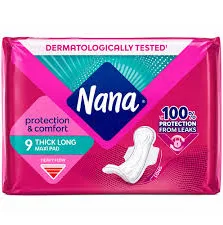
- cellulose, cotton blend, absorbent core
- We found no PFAS statement from the brand
- Bleach residues and processing chemicals in cellulose
3 hazards checked on this product, all on its full breakdown.
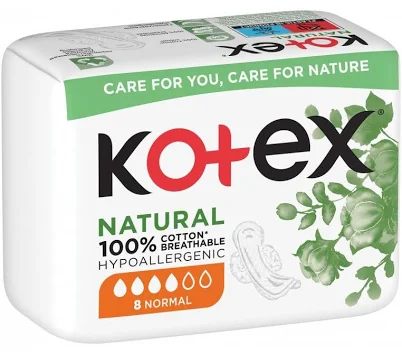
- Cotton, wood pulp absorbent core, plastic backing
- Pesticide residue
2 hazards checked on this product, all on its full breakdown.
More period pads grades
How we score, every product runs through the same public 0-100 rubric based on materials, coatings, brand disclosure, lab findings, and recalls. See the full methodology → Spotted a mistake? Report an error.