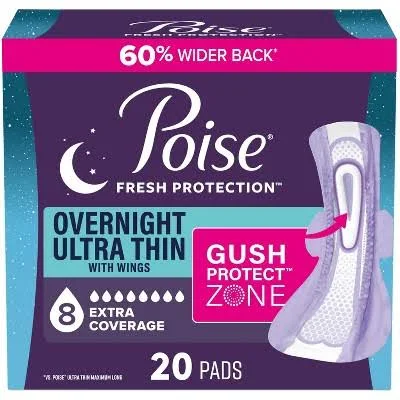
Poise Overnight Ultra Thin Pads with Wings
Waterproof pads may use PFAS treatments; brand silent on source.
Poise does not disclose PFAS presence or absence in these pads. Waterproof menstrual products commonly use water-repellent coating coatings that may contain PFAS, though not universally.
The better-graded swap
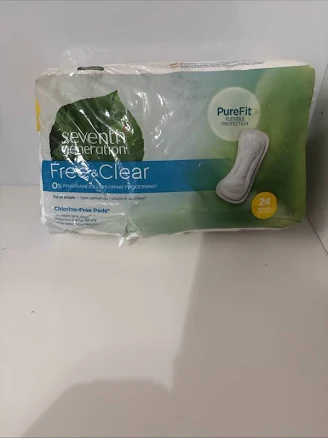
Seventh Generation
Seventh Generation Chlorine Free Maxi Pads
100/100 safety
Same rubric that flunked this product. The swap earned Excellent.
Still want this one anyway? Check the price on Amazon. We’d swap it.
Material
Cellulose core with synthetic polymer topsheet and waterproof backing
Brand disclosure
Brand is silent on PFAS
Lab data
No public lab test
You may also be interested in
Top-graded picks in the categories readers replace first, every one scored on the same rubric.

- polypropylene filter housing, carbon/sediment cartridge
- We found no PFAS statement from the brand
- Bacterial growth in spent cartridges
3 hazards checked on this product, all on its full breakdown.

Aquasure
Premier Series 75 GPD Under Sink Reverse Osmosis Water Filtration System
- RO membrane, carbon filters, stainless steel housing
- We found no PFAS statement from the brand
- Bacterial and microbial growth in housing and filters
4 hazards checked on this product, all on its full breakdown.

Avocado
Vegan Mattress
- organic cotton, natural latex, coconut coir, recycled steel coils
- The brand calls it PFAS-free, which we have not verified
- Heavy metals
2 hazards checked on this product, all on its full breakdown.
What Poise Overnight Ultra Thin Pads with Wings is made of, ingredients and materials
Poise Overnight Ultra Thin uses a cellulose core (absorbent wood pulp), a synthetic polymer topsheet (typically polypropylene), and a waterproof backing layer. The waterproof backing is the material of concern, it is almost certainly a plastic film polymer coating or laminate designed to prevent leakage, and waterproof layers in period pads frequently rely on fluorochemical treatments (PFAS) or thermoplastic polyurethane (TPU) to achieve barrier function. The cellulose core itself is not inherently hazardous, but the combination creates a product with prolonged skin contact over sensitive genital tissue.
What’s concerning
Waterproof / stain-resistant treatment
Water-repellent coating treatments have historically used PFAS.
Category baseline
The starting point for this type of product, before anything specific to this product is counted.
No PFAS disclosure
No public statement from the brand about PFAS in this product.
PFAS
Waterproof layers in conventional pads routinely use PFAS to achieve liquid repellency; Poise has not disclosed its backing chemistry or confirmed PFAS absence. Prolonged genital contact with PFAS-treated materials raises bioaccumulation concerns, especially during heavy flow use.
Source, ATSDR ↗Skin irritation and contact dermatitis from topsheet and adhesives
Synthetic polymer topsheets and acrylate-based adhesives used in conventional pads are known irritants for some users, particularly those with sensitive skin or vulvovaginal sensitivities. Reactions manifest as itching, rash, or burning and are typically product-specific.
Cellulose degradation and fiber shedding
Lower-quality cellulose cores or rapid saturation can lead to fiber breakdown and microscopic cellulose particle release; risk is low with overnight pads designed for absorbency, but possible with heavy flow or extended wear.
Chlorine and bleaching residues in cellulose
Cellulose pulp in conventional pads is typically chlorine-bleached; trace residues (dioxins, chlorinated organics) are regulated but not eliminated. Genital tissue is more permeable than skin and may absorb residues more readily.
Fragrance and dye additives in polymer layers
Some Poise pad variants include fragrance or dyes in the topsheet; fragrance allergens (limonene, linalool) and azo dyes used in synthetics can trigger contact dermatitis or allergic reactions on sensitive or damaged vulvovaginal tissue.
How is this PFAS grade calculated?
The brand's record and disclosure
Poise (a Kimberly-Clark brand) has not published transparent sourcing or composition data for the waterproof backing of this product. The company has not taken a public stance on PFAS elimination in period-care lines, unlike some competitors (e.g.which openly declare formulations without added PFAS. No major recalls or safety controversies specific to this pad line are on record, but the silence on waterproof layer chemistry is a red flag given industry movement toward disclosure.
How it compares in its category
Most conventional overnight pads (Tampax, Always, Kotex) use similar cellulose-and-synthetic constructions and do not disclose PFAS status. PFAS-marketed alternatives (Natracare, Seventh Generation, Cora, Rael) explicitly state PFAS-free backings or use organic cotton and natural latex. Poise sits in the mass-market mainstream, affordable, widely available, but lagging in transparency and ingredient innovation compared to emerging brands focused on chemical disclosure.
If you buy it
Store in a dry place; cellulose can support mold if exposed to moisture before use. Change every 6-8 hours or when saturated to reduce skin maceration and irritation risk. Discontinue use if you experience persistent rash, odor, or discomfort, as this may indicate skin reaction to adhesive, fragrance additives, or the polymer topsheet. If you are concerned about PFAS exposure or have sensitive skin, trial a PFAS-free certified alternative first.
What is not known about PFAS in this product?
- Basis
- Model estimate, 45% confidence, not a lab result
- Lab test
- None on record for this exact product
- Brand statement
- Poise has made none
Formulations change between production runs, so check the current label. How we grade.
What are the PFAS-free alternatives to Poise Overnight Ultra Thin Pads with Wings?
- organic cotton, wood pulp
- The brand calls it PFAS-free, which we have not verified
- Fragrance allergen content
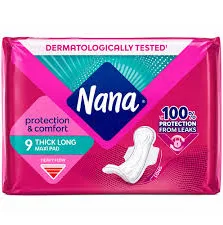
- cellulose, cotton blend, absorbent core
- We found no PFAS statement from the brand
- Bleach residues and processing chemicals in cellulose
3 hazards checked on this product, all on its full breakdown.
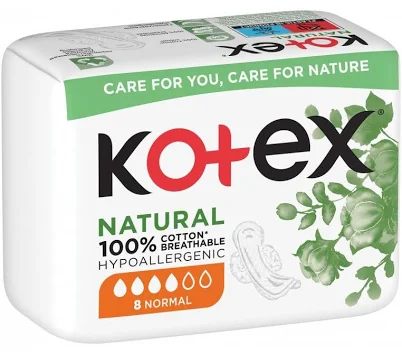
- Cotton, wood pulp absorbent core, plastic backing
- Pesticide residue
2 hazards checked on this product, all on its full breakdown.
More period pads grades
How we score, every product runs through the same public 0-100 rubric based on materials, coatings, brand disclosure, lab findings, and recalls. See the full methodology → Spotted a mistake? Report an error.