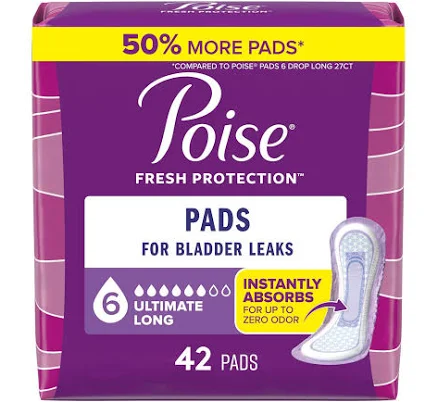
Poise Ultimate Absorbency Incontinence Pads
Skip until brand confirms waterproof backing composition.
Incontinence pads require waterproof barriers that historically used PFAS. Poise does not disclose backing chemistry or PFAS status, creating moderate concern for a product with prolonged skin contact.
The better-graded swap
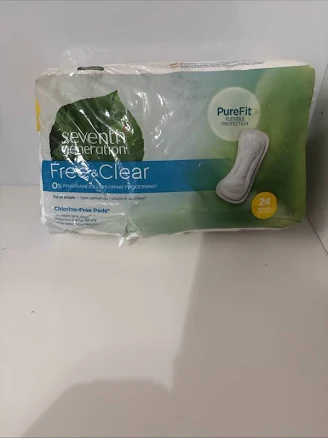
Seventh Generation
Seventh Generation Chlorine Free Maxi Pads
100/100 safety
Same rubric that flunked this product. The swap earned Excellent.
Still want this one anyway? Check the price on Amazon. We’d swap it.
Material
absorbent cellulose core with synthetic polymer waterproof backing
Brand disclosure
Brand is silent on PFAS
Lab data
No public lab test
You may also be interested in
Top-graded picks in the categories readers replace first, every one scored on the same rubric.

- polypropylene filter housing, carbon/sediment cartridge
- We found no PFAS statement from the brand
- Bacterial growth in spent cartridges
3 hazards checked on this product, all on its full breakdown.

Aquasure
Premier Series 75 GPD Under Sink Reverse Osmosis Water Filtration System
- RO membrane, carbon filters, stainless steel housing
- We found no PFAS statement from the brand
- Bacterial and microbial growth in housing and filters
4 hazards checked on this product, all on its full breakdown.

Avocado
Vegan Mattress
- organic cotton, natural latex, coconut coir, recycled steel coils
- The brand calls it PFAS-free, which we have not verified
- Heavy metals
2 hazards checked on this product, all on its full breakdown.
What Poise Ultimate Absorbency Pads is made of, ingredients and materials
Poise Ultimate uses a cellulose-based absorbent core (standard across this category) paired with a synthetic polymer waterproof backing layer. The backing is where PFAS concern concentrates, as waterproofing in incontinence pads typically relies on fluorinated compounds to repel moisture. The cellulose core itself carries minimal chemical risk, but prolonged skin contact with a PFAS-containing backing creates potential for dermal absorption, particularly in people with compromised skin barriers or extended wear times.
What’s concerning
Waterproof / stain-resistant treatment
Water-repellent coating treatments have historically used PFAS.
Category baseline
The starting point for this type of product, before anything specific to this product is counted.
No PFAS disclosure
No public statement from the brand about PFAS in this product.
PFAS
Fluorinated polymer backings in incontinence products are known to contain PFAS; Poise has not publicly disclosed backing chemistry or committed to PFAS-free alternatives, making presence probable.
Source, ATSDR ↗Dermal irritation from synthetic backing
Some users report localized skin irritation, redness, or contact dermatitis from prolonged wear; synthetic polymer backings can trap moisture and heat, creating conditions for maceration, particularly in summer or with occlusive wear.
Cellulose degradation and microfiber shedding
With repeated compression or friction during wear, cellulose fibers may break down and migrate onto skin; no specific reports for Poise pads documented, but inherent to soft cellulose materials in contact wear.
Adhesive residue on skin
Poise pads use tackifiers in side-flap adhesives; occasional reports of sticky residue, irritation, or allergic contact dermatitis from adhesive compounds, particularly with sensitive skin or adhesive sensitivity.
Odor-control additive tolerability
Poise Ultimate includes fragrance and antimicrobial additives to reduce odor; some users report skin sensitivity or allergic reaction to these compounds, especially with prolonged or frequent exposure in genital-adjacent areas.
How is this PFAS grade calculated?
The brand's record and disclosure
Poise (Kimberly-Clark) has not publicly committed to phasing PFAS from incontinence pad backings or disclosed specific backing chemistry. The brand has not pursued certifications like OEKO-TEX or published third-party testing for PFAS presence. Compared to some competitors, Poise's transparency on absorbent product composition lags; the silence on waterproof layer formulation is notable given industry-wide PFAS scrutiny since 2020.
How it compares in its category
Most incontinence pads use similar cellulose-plus-polymer-backing construction, making this a category-wide issue rather than a Poise-specific flaw. However, brands like Depending (Essity) and some store brands have begun disclosing backing materials more openly. Poise's lack of transparency puts it at a disadvantage for consumers specifically seeking PFAS-free options. Cloth or reusable incontinence pads do not use synthetic polymer backing, but require laundering.
If you buy it
Rotate products, do not rely on Poise pads as your only absorbent product for continuous high-volume use, as prolonged skin exposure to PFAS-containing backing increases cumulative risk. Replace pads every 4-6 hours to minimize contact time, especially if you have irritated or compromised skin. Store in a cool, dry place away from direct heat (heat can enhance PFAS migration). If skin irritation develops, discontinue immediately and contact your healthcare provider.
What is not known about PFAS in this product?
- Basis
- Model estimate, 45% confidence, not a lab result
- Lab test
- None on record for this exact product
- Brand statement
- Poise has made none
Formulations change between production runs, so check the current label. How we grade.
What are the PFAS-free alternatives to Poise Ultimate Absorbency Incontinence Pads?
- organic cotton, wood pulp
- The brand calls it PFAS-free, which we have not verified
- Fragrance allergen content
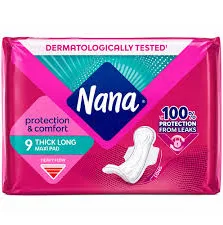
- cellulose, cotton blend, absorbent core
- We found no PFAS statement from the brand
- Bleach residues and processing chemicals in cellulose
3 hazards checked on this product, all on its full breakdown.
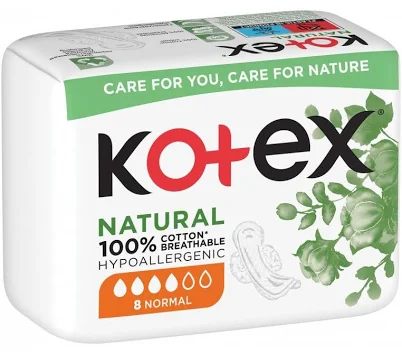
- Cotton, wood pulp absorbent core, plastic backing
- Pesticide residue
2 hazards checked on this product, all on its full breakdown.
More period pads grades
How we score, every product runs through the same public 0-100 rubric based on materials, coatings, brand disclosure, lab findings, and recalls. See the full methodology → Spotted a mistake? Report an error.