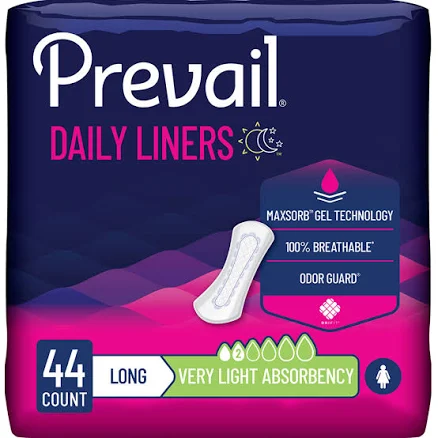
Prevail · Incontinence Pads & Protection
Bladder Control Prevail Pads
Waterproof backing composition unknown from brand disclosure.
Prevail does not disclose PFAS status or waterproof backing materials for this product. Incontinence pads typically use water-resistant treatments that may contain PFAS, though no public testing exists.
The better-graded swap
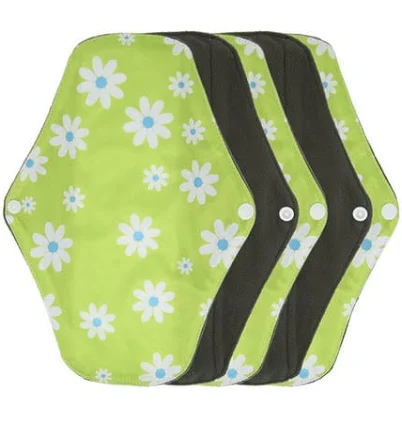
5pcs Bamboo Charcoal Washable Incontinence Pads
70/100 safety
Same rubric that flunked this product. The swap earned Good.
Still want this one anyway? Check the price on Amazon. We’d swap it.
Material
absorbent core with synthetic waterproof backing layer, unspecified coating
Brand disclosure
Brand is silent on PFAS
Lab data
No public lab test
What Bladder Control Prevail Pads is made of, ingredients and materials
Prevail bladder control pads use a synthetic absorbent core (likely superabsorbent polymer) with an unspecified waterproof backing layer and topsheet coating. The backing layer's composition is the critical unknown, polyethylene is low-risk, but the brand has not publicly disclosed whether it contains PFAS-based water repellents, which are common in incontinence products to improve leak protection. Without this disclosure, the waterproof layer remains a potential exposure route for PFAS "forever chemicals", particularly with prolonged skin contact.
What’s concerning
Category baseline
The starting point for this type of product, before anything specific to this product is counted.
No PFAS disclosure
No public statement from the brand about PFAS in this product.
Waterproof / stain-resistant treatment
Water-repellent coating treatments have historically used PFAS.
PFAS
Incontinence products commonly use PFAS coatings for water resistance; Prevail's silence on this specific layer suggests either conventional polyethylene (low risk) or undisclosed chemistry. This is the primary non-PFAS concern because the backing sits against skin for hours.
Source, ATSDR ↗Topsheet coating composition (unlabeled irritants)
Prevail does not disclose whether the topsheet contains lotion, fragrance, or antimicrobial agents. These additives can trigger contact dermatitis or genital irritation in sensitive users, especially during prolonged wear.
Microplastic shedding from synthetic layers
Extended use or damage to the polyethylene backing could release microfibers; incontinence pads are not extensively studied for this hazard, but risk is generally low for intact pads used as directed.
What’s reassuring
Superabsorbent polymer (SAP) core safety
SAP in incontinence pads is FDA-regulated and has no established link to systemic toxicity at typical exposure levels. However, if the core material is damaged or the pad is used beyond saturation, localized skin irritation is possible.
Chlorine bleaching residues in materials
No public record of chlorine dioxin or residual bleach issues in Prevail pads; standard for major manufacturers. Risk is low but not independently verified.
The full breakdown
The brand's record and disclosure
Kimberly-Clark (Prevail's parent company) has not issued a public statement on PFAS use in bladder control products, despite growing consumer pressure on period-care and incontinence brands. The company has made limited commitments on other chemical hazards in this product line. Industry-wide, incontinence pad makers have been slower to disclose waterproof backing chemistry compared to period-pad manufacturers, making Prevail's silence more concerning in context.
How it compares in its category
Prevail is a mainstream incontinence brand with moderate absorbency ratings for light to moderate leakage. Competitors like Depend and store brands offer similar opacity on backing materials. Smaller brands (e.g., Aeroflow Health, some European labels) have begun publishing PFAS-free certifications or material breakdowns, making them easier to evaluate. Prevail's lack of transparency positions it as a higher-risk choice within an already murky category.
If you buy it
Check the package for any material composition statement; if none exists, contact Kimberly-Clark customer service to request waterproof layer details before large purchases. Change pads regularly (every 3-4 hours minimum) to limit cumulative skin exposure to any potentially problematic coatings. Store in a cool, dry place away from heat to avoid any degradation of the synthetic layers. Monitor skin for irritation, redness, or unusual odor, which could indicate chemical leaching or microbial growth in the absorbent core.
What we don’t know
- Basis
- Model estimate, 45% confidence, not a lab result
- Lab test
- None on record for this exact product
- Brand statement
- Prevail has made none
Formulations change between production runs, so check the current label. How we grade.
Better-graded alternatives in Incontinence Pads & Protection
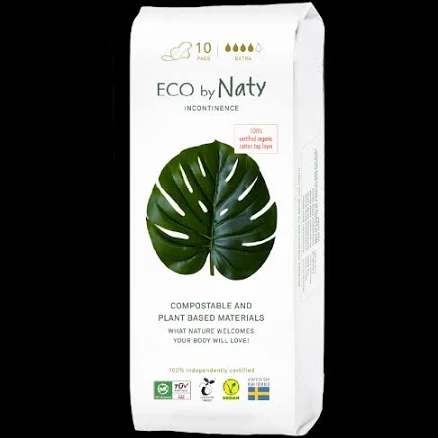
Eco By Naty
Incontinence Pads
- Bamboo-derived viscose, cotton, plant-based absorbent core
- We found no PFAS statement from the brand
- Heavy metals
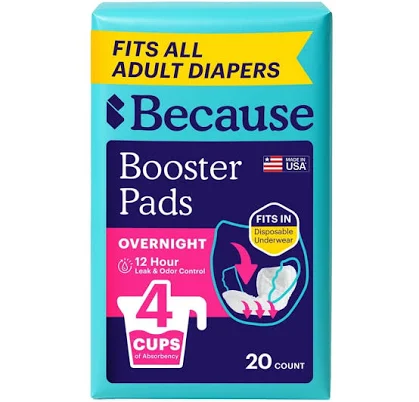
Because Market
Because Booster Pads
- Cellulose, superabsorbent polymer, cotton blend
- We found no PFAS statement from the brand
- Absorbent material degradation and bacterial growth
2 hazards checked on this product. See all of them.
5pcs Bamboo Charcoal Washable Incontinence Pads
- bamboo charcoal textile, washable cotton-blend absorbent layer
- We found no PFAS statement from the brand
- Azo dyes and synthetic colorants
4 hazards checked on this product. See all of them.
More incontinence pads & protection grades
How we score, every product runs through the same public 0-100 rubric based on materials, coatings, brand disclosure, lab findings, and recalls. See the full methodology → Spotted a mistake? Report an error.