Prevail · Incontinence Pads & Protection
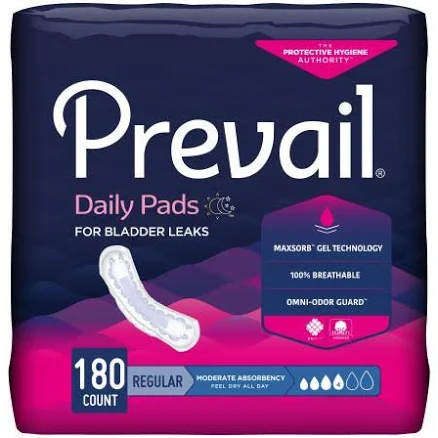
First Quality Prevail Daily Pads Moderate Bladder Control Pad
Incontinence pad waterproof coating unknown, PFAS status unclear.
Prevail does not publicly state PFAS information or material details for this pad. The waterproof backing likely contains treatments, but actual composition remains unspecified without independent verification.
The better-graded swap
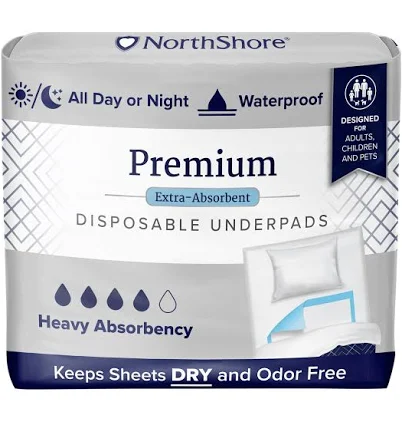
Northshore
NorthShore Premium 36
70/100 safety
Same rubric that flunked this product. The swap earned Good.
Still want this one anyway? Check the price on Amazon. We’d swap it.
Material
nonwoven, absorbent core, waterproof backing (unspecified polymer)
Brand disclosure
Brand is silent on PFAS
Lab data
No public lab test
What First Quality Prevail Daily Pads Moderate is made of, ingredients and materials
Prevail Daily Pads use a nonwoven top layer (typically polypropylene or polyester blend), an absorbent core (likely superabsorbent polymer or SAP mixed with cellulose), and an unspecified waterproof backing polymer. The backing polymer is the key unknown, it may contain polyethylene, polypropylene, or a laminate that could include PFAS-based water repellents, though Prevail has not disclosed this. Nonwoven materials themselves carry low chemical risk if not treated with antimicrobials or dyes; the real concern is the backing layer's composition and whether it degrades with moisture and body heat over extended wear.
What’s concerning
Category baseline
The starting point for this type of product, before anything specific to this product is counted.
No PFAS disclosure
No public statement from the brand about PFAS in this product.
Waterproof / stain-resistant treatment
Water-repellent coating treatments have historically used PFAS.
PFAS
Unspecified waterproof polymer backing is typical vehicle for PFAS in absorbent hygiene products; Prevail has not disclosed use or absence. Risk is inhalation during removal and skin contact during wear, especially if pad degrades over time or with heat.
Source, ATSDR ↗Polymer coating degradation and skin contact
Extended wear, moisture, and body heat can cause synthetic backings to degrade or flake. No recalls have documented this for Prevail Daily Pads, but prolonged contact with degrading polymer may increase exposure to monomers or additives used in the backing layer.
Bacterial or fungal growth if not changed regularly
Absorbent core can promote microbial growth if pad remains saturated; this is a use risk rather than a chemical risk, but indicates importance of frequent replacement to avoid secondary skin infection.
What’s reassuring
Chlorine residue from bleaching (nonwoven layers)
Nonwoven materials are often bleached; Prevail does not disclose bleach type or residual levels. Typical industry practice does not leave hazardous residue, but lack of disclosure prevents independent assessment.
Adhesive or super-absorbent polymer additives
SAP cores and adhesive strips may contain unreacted monomers or plasticizers; no specific safety data or recalls are on record for Prevail Daily Pads, suggesting industry-standard levels, but formulation is not publicly disclosed.
The full breakdown
The brand's record and disclosure
Prevail (owned by Kimberly-Clark) does not publicly disclose material composition, PFAS use, or safety test results for incontinence products. The company has faced no major product recalls specific to chemical hazards in this line. Kimberly-Clark has signed the AFIRM Group's commitment to phase out PFAS in tissue products, but has not made equivalent commitments for absorbent hygiene products like incontinence pads. This silence on formulation is standard for the incontinence category but reflects lack of transparency compared to leading period-care brands.
How it compares in its category
Incontinence pads differ from period pads in that they prioritize absorbency and leak prevention over comfort, and typically use heavier synthetic backings. Prevail Daily Pads are mid-market in the incontinence space; competitors like Tena and Depends also do not disclose PFAS status, making this roughly equivalent on transparency. Period-care alternatives (menstrual pads) tend to have more public pressure and some brands now label PFAS-free or plant-based backings, but incontinence pads lag behind in disclosure. Prevail's moderate absorbency tier suggests lower chemical intensity than maximum-absorbency competitors, which may lower some leachable risks.
If you buy it
Change pads every 4 to 6 hours or when saturated to minimize skin contact with degraded materials and bacterial growth. Do not expose pads to heat (avoid hot dryers or direct sunlight during storage), as this can accelerate polymer breakdown and potential leachate release. Store in a cool, dry place and dispose of used pads in regular household waste (not sewage or compost). If skin irritation, rash, or odor develops, discontinue use and consider switching to a brand with disclosed PFAS-free or certified materials.
What we don’t know
- Basis
- Model estimate, 45% confidence, not a lab result
- Lab test
- None on record for this exact product
- Brand statement
- Prevail has made none
Formulations change between production runs, so check the current label. How we grade.
Better-graded alternatives in Incontinence Pads & Protection
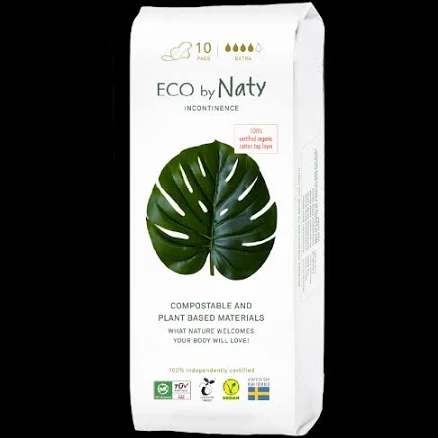
Eco By Naty
Incontinence Pads
- Bamboo-derived viscose, cotton, plant-based absorbent core
- We found no PFAS statement from the brand
- Heavy metals
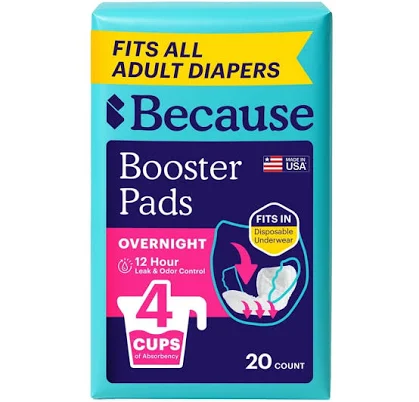
Because Market
Because Booster Pads
- Cellulose, superabsorbent polymer, cotton blend
- We found no PFAS statement from the brand
- Absorbent material degradation and bacterial growth
2 hazards checked on this product. See all of them.
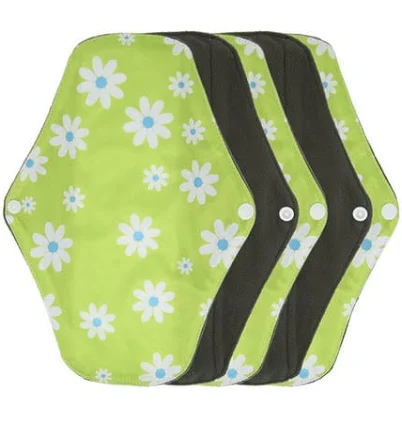
5pcs Bamboo Charcoal Washable Incontinence Pads
- bamboo charcoal textile, washable cotton-blend absorbent layer
- We found no PFAS statement from the brand
- Azo dyes and synthetic colorants
4 hazards checked on this product. See all of them.
More incontinence pads & protection grades
How we score, every product runs through the same public 0-100 rubric based on materials, coatings, brand disclosure, lab findings, and recalls. See the full methodology → Spotted a mistake? Report an error.