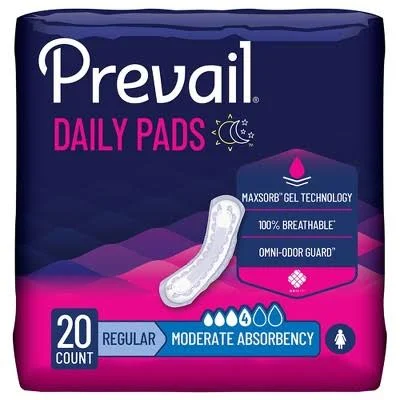
Prevail · Incontinence Pads & Protection
Prevail Bladder Control Pads
Wait for Prevail to disclose backing materials or offer PFAS verification.
Prevail Bladder Control Pads have a waterproof backing to prevent leaks, historically associated with PFAS-based water-resistant treatments in incontinence products. Prevail won't disclose backing chemistry or provide PFAS testing. Without third-party verification or a PFAS-free claim, risk stays unresolved.
The better-graded swap
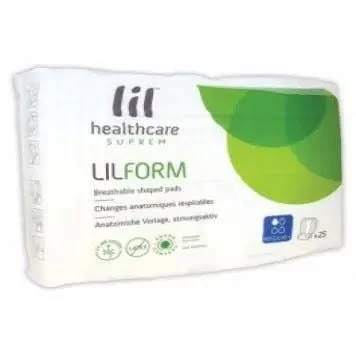
Lille
Suprem Form Regular Plus 1570ml 4 Packs Per Carton
70/100 safety
Same rubric that flunked this product. The swap earned Good.
Still want this one anyway? Check the price on Amazon. We’d swap it.
Material
Absorbent core, outer waterproof backing (unspecified polymer)
Brand disclosure
Brand is silent on PFAS
Lab data
No public lab test
What Prevail Bladder Control Pads is made of, ingredients and materials
Prevail Bladder Control Pads use an absorbent core (typically superabsorbent polymer and cellulose fibers) layered with an unspecified waterproof backing polymer. The backing material is the critical unknown, waterproof layers in incontinence products are frequently formulated with PFAS (PFAS "forever chemicals") to achieve liquid repellency without traditional plastic coating. Without Prevail's disclosure of backing composition, the PFAS content cannot be verified, and this represents the primary chemical safety gap.
What’s concerning
Category baseline
The starting point for this type of product, before anything specific to this product is counted.
No PFAS disclosure
No public statement from the brand about PFAS in this product.
Waterproof / stain-resistant treatment
Water-repellent coating treatments have historically used PFAS.
PFAS
Waterproof layers in incontinence products commonly use PFAS compounds; Prevail has not disclosed backing chemistry, so PFAS presence cannot be ruled out and should be assumed probable based on industry practice.
Source, ATSDR ↗Skin maceration and irritation (non-chemical)
Prolonged contact with moisture and absorbent material can cause skin breakdown if pads are not changed frequently; this is a usage risk, not a material defect, but is common in this category.
Adhesive strip sensitization
Adhesive strips on some incontinence pads may contain acrylate-based compounds that can trigger contact dermatitis in sensitive individuals; Prevail's adhesive formulation is not publicly detailed.
What’s reassuring
Absorbent core polymer leachables
Superabsorbent polymer cores are chemically stable and do not leach into skin under normal use; no documented health concerns with this material class in incontinence pads.
Volatile organic compounds (VOCs) off-gassing
No documented VOC or formaldehyde off-gassing issues reported with Prevail incontinence pads or similar branded products in this category.
The full breakdown
The brand's record and disclosure
Prevail (owned by First Quality Enterprises) has not publicly disclosed the PFAS content or polymer chemistry of its incontinence pad backing. The brand has no widely documented certifications (such as Cradle to Cradle, GOTS, or OEKO-TEX) that would typically signal chemical transparency. Prevail's silence on fluorinated compounds in waterproof materials stands in contrast to competitors who have begun PFAS reduction initiatives or third-party testing claims.
How it compares in its category
Incontinence pads typically fall into two categories, those with PFAS-based waterproof backings (faster drying, better containment) and those using polyethylene or thermoplastic polyurethane, materials not linked to PFAS. Prevail's market position as an affordable mainstream brand suggests cost-driven material selection, which historically correlates with PFAS use. Some competitors (e.g., Depend, Tena) have published PFAS reduction statements, though the industry remains largely non-transparent.
If you buy it
Store pads in a cool, dry place away from direct heat sources; waterproof backings can degrade if exposed to sustained warmth above 40C (104F). Do not reuse or wash pads; absorbent cores are designed for single use and may harbor bacteria if rewashed. Replace immediately after soiling to prevent skin maceration and irritation, which is the most common risk with incontinence pads regardless of material. If you have skin sensitivity or chemical concerns, patch-test on a small area first.
What we don’t know
- Basis
- Model estimate, 45% confidence, not a lab result
- Lab test
- None on record for this exact product
- Brand statement
- Prevail has made none
Formulations change between production runs, so check the current label. How we grade.
Better-graded alternatives in Incontinence Pads & Protection
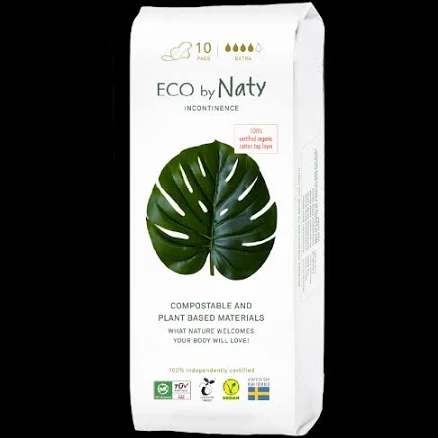
Eco By Naty
Incontinence Pads
- Bamboo-derived viscose, cotton, plant-based absorbent core
- We found no PFAS statement from the brand
- Heavy metals
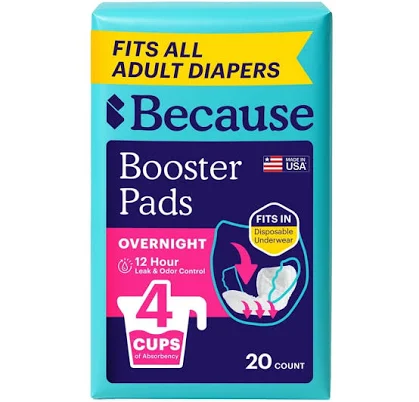
Because Market
Because Booster Pads
- Cellulose, superabsorbent polymer, cotton blend
- We found no PFAS statement from the brand
- Absorbent material degradation and bacterial growth
2 hazards checked on this product. See all of them.
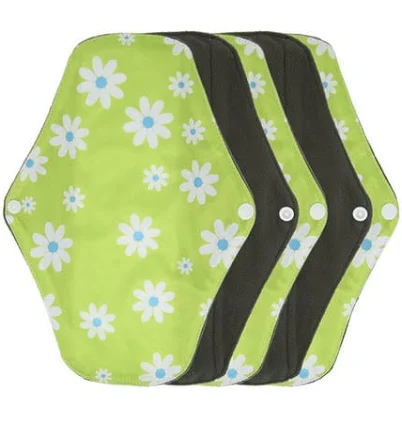
5pcs Bamboo Charcoal Washable Incontinence Pads
- bamboo charcoal textile, washable cotton-blend absorbent layer
- We found no PFAS statement from the brand
- Azo dyes and synthetic colorants
4 hazards checked on this product. See all of them.
More incontinence pads & protection grades
How we score, every product runs through the same public 0-100 rubric based on materials, coatings, brand disclosure, lab findings, and recalls. See the full methodology → Spotted a mistake? Report an error.