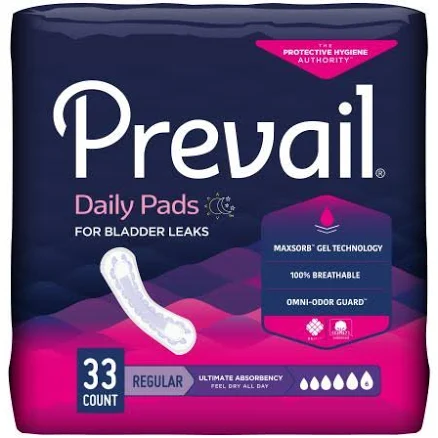
Prevail · Incontinence Pads & Protection
Prevail Bladder Control Pads Ultimate
Incontinence pads often use water-resistant coatings. Prevail says nothing.
Prevail Bladder Control Pads likely contain a waterproof layer to prevent leakage. Absorbent hygiene products commonly use water-resistant treatments, which may include fluorinated compounds, but Prevail won't disclose materials or PFAS status. No third-party testing exists.
The better-graded swap
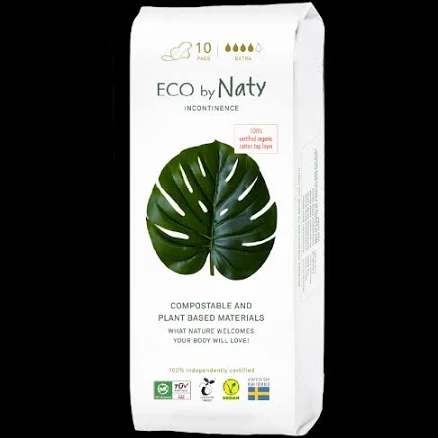
Eco By Naty
Eco by Naty Incontinence Pads
70/100 safety
Same rubric that flunked this product. The swap earned Good.
Still want this one anyway? Check the price on Amazon. We’d swap it.
Material
nonwoven cellulose/polymer blend with waterproof backing
Brand disclosure
Brand is silent on PFAS
Lab data
No public lab test
What Prevail Bladder Control Pads Ultimate is made of, ingredients and materials
Prevail Ultimate pads use a nonwoven cellulose core (wood pulp and synthetic fibers) with a polyethylene-based waterproof backing layer. The backing prevents leakage but requires synthetic coatings or laminates to achieve water resistance, which may include fluorinated compounds (PFAS) or other chemical sealants. The nonwoven materials themselves are generally low-toxicity, but the waterproof layer's specific formulation is not disclosed by the brand.
What’s concerning
Category baseline
The starting point for this type of product, before anything specific to this product is counted.
No PFAS disclosure
No public statement from the brand about PFAS in this product.
Waterproof / stain-resistant treatment
Water-repellent coating treatments have historically used PFAS.
PFAS
Water-resistant backing on incontinence pads commonly relies on Teflon-family coating or fluorinated polyurethanes to achieve leak protection. Prevail does not disclose whether its backing uses PFAS; given the brand's silence and industry norm, fluorinated coatings are probable but unconfirmed for this specific product.
Source, ATSDR ↗Skin irritation from adhesives and cellulose contaminants
Nonwoven cellulose pads may contain residual wood pulp dust or synthetic fiber fragments; adhesive backing (likely acrylate-based) can sensitize skin with prolonged contact. Individual sensitivity is low but higher in users with pre-existing dermatitis or incontinence-associated skin damage.
Waterproof backing degradation over time
Polyethylene and synthetic laminates in incontinence pad backings degrade with heat, UV exposure, and mechanical stress, potentially releasing microparticles. No specific data exists for Prevail Ultimate, but this is a known issue across the product category when storage or use conditions are suboptimal.
Fragrance additives and volatile organic compounds
Some Prevail pad variants include fragrance to mask odor, which typically adds synthetic musks or essential oils. These are not listed on packs; potential for allergic contact dermatitis or irritation exists, especially in users with chemical sensitivities.
What’s reassuring
Chlorine residues from bleaching
Prevail does not specify bleaching methods for its cellulose; if elemental chlorine bleaching is used (common in commodity absorbent products), trace chlorine-based compounds could remain. Data specific to Prevail Ultimate bleaching is not publicly available.
The full breakdown
The brand's record and disclosure
Prevail (owned by First Quality Enterprises) provides no public transparency about PFAS use, water-resistant coating chemistry, or third-party safety certifications for this product line. The brand has not signed ZDHC (Zero Discharge of Hazardous Chemicals) commitments or published environmental/chemical safety data sheets for consumer products. No major recalls or contamination incidents for Prevail incontinence pads are publicly documented, but absence of disclosure is itself a transparency gap in this product category.
How it compares in its category
Most incontinence pads on the market rely on similar nonwoven-plus-waterproof backing designs; Prevail is mainstream but not differentiated by safety certifications. Brands like Tena (SCA) and Depend (Kimberly-Clark) are equally opaque on PFAS and coating chemistry. Chlorine-free bleached options and products with disclosed non-fluorinated waterproofing exist but are niche; Prevail Ultimate does not market itself as either. The category itself normalizes chemical coatings without detailed consumer-facing ingredient lists.
If you buy it
Use as directed; change pads promptly when saturated to minimize skin maceration (moisture damage) that can increase dermatitis risk. Do not wash and reuse; the waterproof backing degrades with repeated laundering and loses effectiveness. Store in a dry, cool place away from heat and direct sunlight to prevent coating degradation. If skin irritation, rash, or odor develops beyond normal use, discontinue and consult a healthcare provider; sensitivity to adhesives or cellulose dust is possible but rare.
What we don’t know
- Basis
- Model estimate, 42% confidence, not a lab result
- Lab test
- None on record for this exact product
- Brand statement
- Prevail has made none
Formulations change between production runs, so check the current label. How we grade.
Better-graded alternatives in Incontinence Pads & Protection
Eco By Naty
Incontinence Pads
- Bamboo-derived viscose, cotton, plant-based absorbent core
- We found no PFAS statement from the brand
- Heavy metals
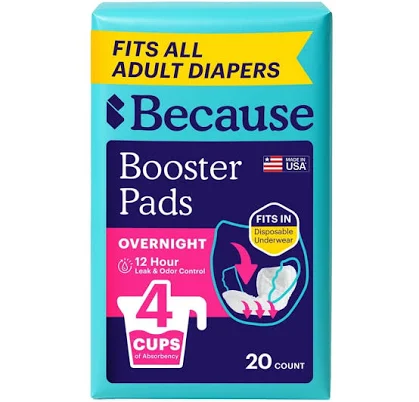
Because Market
Because Booster Pads
- Cellulose, superabsorbent polymer, cotton blend
- We found no PFAS statement from the brand
- Absorbent material degradation and bacterial growth
2 hazards checked on this product. See all of them.
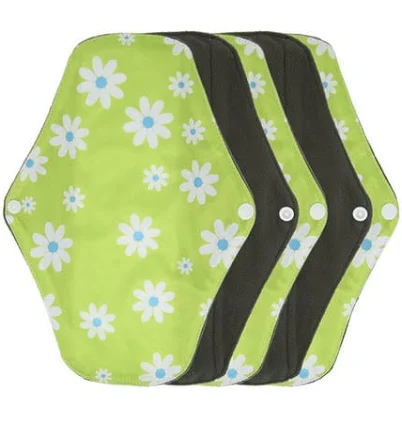
5pcs Bamboo Charcoal Washable Incontinence Pads
- bamboo charcoal textile, washable cotton-blend absorbent layer
- We found no PFAS statement from the brand
- Azo dyes and synthetic colorants
4 hazards checked on this product. See all of them.
More incontinence pads & protection grades
How we score, every product runs through the same public 0-100 rubric based on materials, coatings, brand disclosure, lab findings, and recalls. See the full methodology → Spotted a mistake? Report an error.