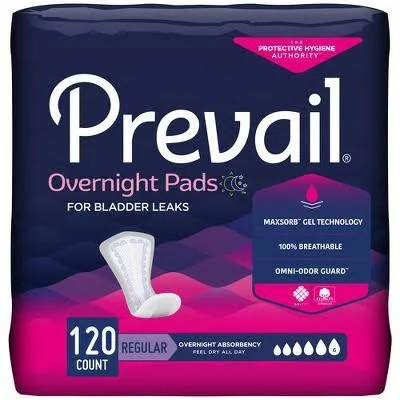
Prevail · Incontinence Pads & Protection
Prevail Incontinence Bladder Control Pads, Regular, Overnight Absorbency, Case of 120
Waterproof backing likely present, PFAS use uncertain from brand.
Absorbent pads typically use unspecified waterproof backings that may contain PFAS. Prevail provides no public PFAS testing or confirmation of its absence.
The better-graded swap
Lille
LILLE Suprem Form Maxi 2920ml
70/100 safety
Same rubric that flunked this product. The swap earned Good.
Still want this one anyway? Check the price on Amazon. We’d swap it.
Material
cellulose, superabsorbent polymer, waterproof backing (unspecified)
Brand disclosure
Brand is silent on PFAS
Lab data
No public lab test
What Prevail Incontinence Bladder Control is made of, ingredients and materials
Prevail Overnight pads use cellulose fiber as the absorbent core combined with superabsorbent polymer (SAP, typically sodium polyacrylate) to lock moisture away from skin. The waterproof backing material is not specified by Prevail on product labels or their website, which is the key unknown. Cellulose and SAP themselves have no established toxicity concerns in incontinence products, but the backing layer is where PFAS compounds or other plastic additives often appear to prevent leakage.
What’s concerning
Category baseline
The starting point for this type of product, before anything specific to this product is counted.
No PFAS disclosure
No public statement from the brand about PFAS in this product.
Waterproof / stain-resistant treatment
Water-repellent coating treatments have historically used PFAS.
PFAS
Waterproof backings in incontinence pads commonly use fluorinated chemistry to repel moisture, but Prevail does not disclose backing composition. No laboratory testing of Prevail overnight pads for PFAS has been published in the scientific literature.
Source, ATSDR ↗Skin irritation from absorbent polymer or adhesives
Sodium polyacrylate (SAP) is inert when contained but can cause irritation if particles contact broken or sensitive skin. Adhesive materials used to affix pads are not specified and could include acrylates or other sensitizers in susceptible individuals.
Bacterial colonization if changed infrequently
Incontinence pads are worn against skin for hours; failure to change regularly can create warm, moist conditions favoring bacterial and fungal overgrowth, leading to UTIs or dermatitis. This is a use-pattern hazard, not a material defect.
What’s reassuring
Dyes or pigments in outer layer
Prevail pads are typically plain white or light colored with minimal printing; no heavy metal dyes or azo dyes have been reported. Standard plastic pigments in the backing are unlikely to migrate to skin under normal use.
Fragrance or chemical additives
Prevail does not market scented or deodorizing incontinence pads in this Regular/Overnight line. No fragrance allergens or formaldehyde releasers are known to be added to the product.
The full breakdown
The brand's record and disclosure
Prevail (owned by First Quality Enterprises) does not publish ingredient transparency reports or certifications for this product line. The brand has not publicly stated whether they use PFAS-based water-repellent chemistry in their incontinence pad backings, and does not appear on lists of brands that have committed to PFAS phase-out. No major recalls or contamination incidents specific to Prevail incontinence pads have been widely reported, but the lack of transparency on backing materials limits independent verification of safety.
How it compares in its category
Incontinence pads occupy a unique position, they are not menstrual products and thus not covered by recent U.S. menstrual product transparency laws. Most major incontinence pad brands (Prevail, Depend, Tena) do not disclose backing composition. Brands like Seventh Generation and some medical-grade suppliers offer pads with disclosed materials, but Prevail Regular and Overnight lines are mainstream consumer products with typical industry opacity on water-resistant layers. This makes it an average performer on disclosure within its category, not a leader.
If you buy it
Store in a cool, dry place; SAP-based pads perform better at room temperature and can degrade if exposed to high heat or direct sunlight. Replace pads every 3-4 hours during use, or immediately if soiled, to prevent skin irritation and bacterial growth. If you have sensitive skin or unexplained reactions, discontinue and consider brands with disclosed backing materials. Do not flush these pads; dispose in regular trash only.
What we don’t know
- Basis
- Model estimate, 45% confidence, not a lab result
- Lab test
- None on record for this exact product
- Brand statement
- Prevail has made none
Formulations change between production runs, so check the current label. How we grade.
Better-graded alternatives in Incontinence Pads & Protection
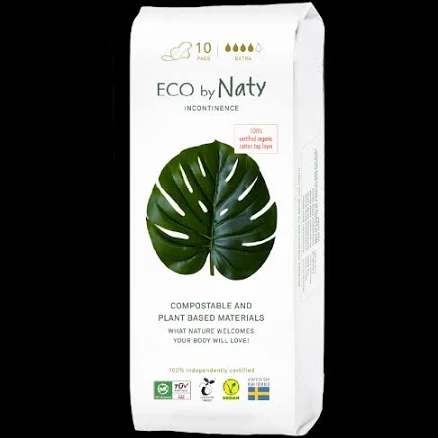
Eco By Naty
Incontinence Pads
- Bamboo-derived viscose, cotton, plant-based absorbent core
- We found no PFAS statement from the brand
- Heavy metals
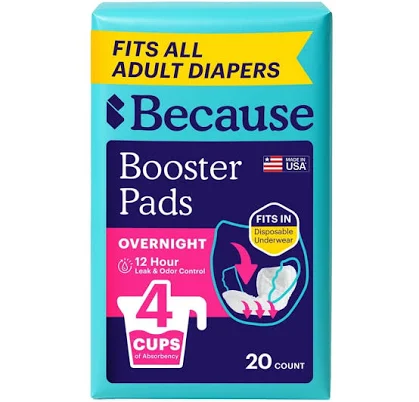
Because Market
Because Booster Pads
- Cellulose, superabsorbent polymer, cotton blend
- We found no PFAS statement from the brand
- Absorbent material degradation and bacterial growth
2 hazards checked on this product. See all of them.
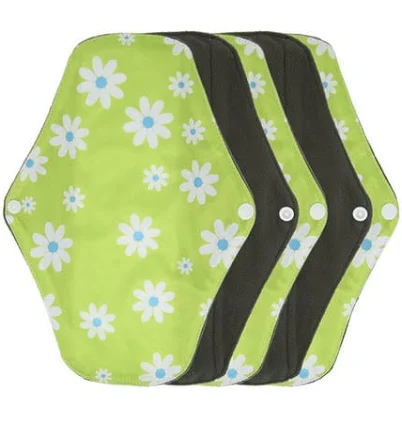
5pcs Bamboo Charcoal Washable Incontinence Pads
- bamboo charcoal textile, washable cotton-blend absorbent layer
- We found no PFAS statement from the brand
- Azo dyes and synthetic colorants
4 hazards checked on this product. See all of them.
More incontinence pads & protection grades
How we score, every product runs through the same public 0-100 rubric based on materials, coatings, brand disclosure, lab findings, and recalls. See the full methodology → Spotted a mistake? Report an error.