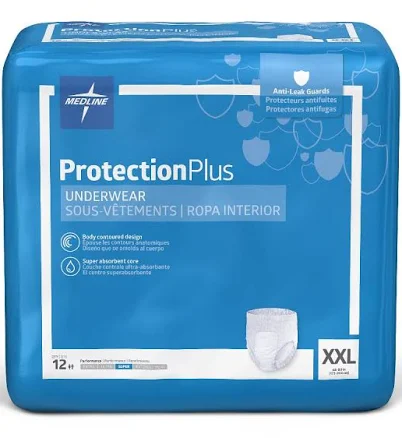
Protection Plus · Incontinence Pads & Protection
Medline Protection Plus Super Protective Adult Underwear
Waterproof adult incontinence underwear, PFAS status undisclosed by brand.
This brand does not disclose PFAS presence in this product. Waterproof backing coatings in incontinence wear often contain PFAS, but no lab testing or brand claims exist to confirm or rule out risk here.
The better-graded swap
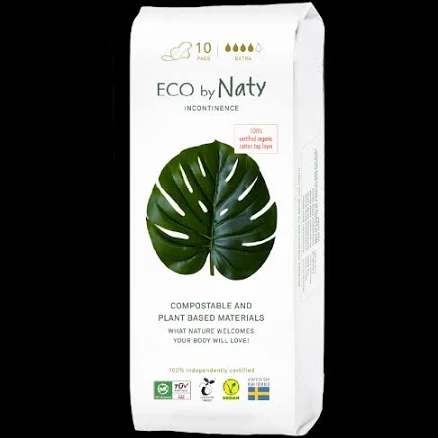
Eco By Naty
Eco by Naty Incontinence Pads
70/100 safety
Same rubric that flunked this product. The swap earned Good.
Still want this one anyway? Check the price on Amazon. We’d swap it.
Material
Cotton/poly blend with waterproof backing coating
Brand disclosure
Brand is silent on PFAS
Lab data
No public lab test
What Medline Protection Plus Super Protective is made of, ingredients and materials
Protection Plus Super Protective uses a cotton-polyester blend with a waterproof backing layer designed to contain moisture. The backing coating is the critical unknown, waterproofing in incontinence products typically relies on synthetic polymers or polyurethane laminates, which may contain PFAS or other synthetic chemicals to achieve water resistance. The cotton-poly blend itself carries minimal inherent chemical risk, but the functional coating is where leaching or off-gassing potential concentrates.
What’s concerning
Category baseline
The starting point for this type of product, before anything specific to this product is counted.
No PFAS disclosure
No public statement from the brand about PFAS in this product.
Waterproof / stain-resistant treatment
Water-repellent coating treatments have historically used PFAS.
Waterproof backing composition (undisclosed synthetic)
The backing layer is essential to function but unidentified by brand. It may contain PFAS (graded separately at 25/100) or other synthetic leachables, with no public test data available. Unknown composition creates genuine uncertainty about long-term dermal or urinary exposure.
Coating degradation and microparticle release
Waterproof backings degrade over time with repeated washing and wear. Flaking or peeling could release coating particles; no long-term wear data is published for this specific product. Risk is minimal if replaced annually as recommended.
Urinary tract exposure from prolonged wear
Incontinence products by design remain in contact with skin and mucous membranes for hours. If backing coating compounds leach into urine, prolonged exposure pathway exists. This is not specific to Protection Plus but relevant to any incontinence product with undisclosed backing chemistry.
What’s reassuring
Azo dyes in printed textile elements
No documentation of azo dye use in Protection Plus products; cotton-poly incontinence underwear typically uses colorants not linked to PFAS concerns. No recalls or complaints on record for dye-related dermatitis from this line.
Formaldehyde / VOCs
Standard adult incontinence textiles rarely use formaldehyde resins due to absorbency requirements. No complaints or test data linking Protection Plus to formaldehyde off-gassing.
Source, ATSDR ↗The full breakdown
The brand's record and disclosure
Medline, the parent company, is a major medical supplies manufacturer but has not publicly disclosed PFAS use or absence in Protection Plus products. No independent third-party certifications (such as OEKO-TEX or similar textile safety standards) appear on record for this specific line. The brand's silence on waterproof backing composition is notable in an industry where some competitors have begun voluntary PFAS phase-out announcements.
How it compares in its category
Adult incontinence underwear uniformly require waterproof backing, making PFAS risk category-wide rather than brand-specific. Some competitors (e.g., certain Depend or Aisle brands) have begun transparent PFAS communication or explored alternative backings; Protection Plus has not publicly matched this trend. Within incontinence products, cotton-poly blends are standard and relatively lower-risk than fully synthetic alternatives, but the backing opacity is a shared weakness across the category.
If you buy it
Wash before first use to reduce loose chemical residues from manufacturing. Do not expose to high heat (dryers, hot water) as repeated thermal stress can accelerate any coating degradation. Replace every 12 months or sooner if the waterproof backing shows signs of cracking, peeling, or reduced absorbency. Store in a cool, dry place away from direct sunlight to preserve backing integrity. Contact dermatitis risk is low for most users, but discontinue use if skin irritation develops.
What we don’t know
- Basis
- Model estimate, 35% confidence, not a lab result
- Lab test
- None on record for this exact product
- Brand statement
- Protection Plus has made none
Formulations change between production runs, so check the current label. How we grade.
Better-graded alternatives in Incontinence Pads & Protection
Eco By Naty
Incontinence Pads
- Bamboo-derived viscose, cotton, plant-based absorbent core
- We found no PFAS statement from the brand
- Heavy metals
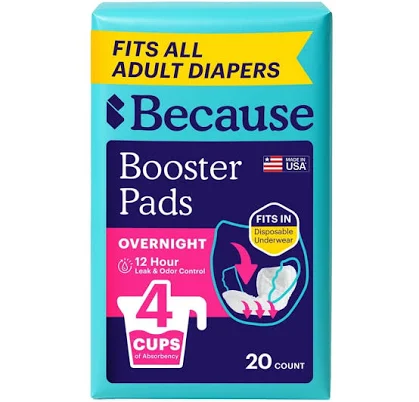
Because Market
Because Booster Pads
- Cellulose, superabsorbent polymer, cotton blend
- We found no PFAS statement from the brand
- Absorbent material degradation and bacterial growth
2 hazards checked on this product. See all of them.
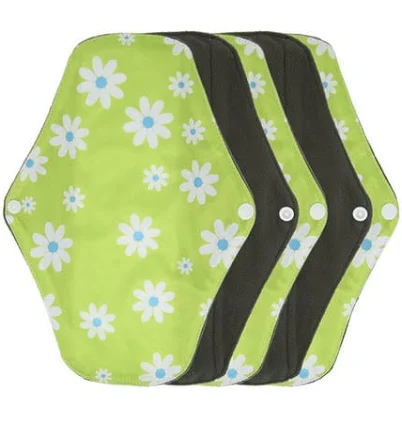
5pcs Bamboo Charcoal Washable Incontinence Pads
- bamboo charcoal textile, washable cotton-blend absorbent layer
- We found no PFAS statement from the brand
- Azo dyes and synthetic colorants
4 hazards checked on this product. See all of them.
More incontinence pads & protection grades
How we score, every product runs through the same public 0-100 rubric based on materials, coatings, brand disclosure, lab findings, and recalls. See the full methodology → Spotted a mistake? Report an error.