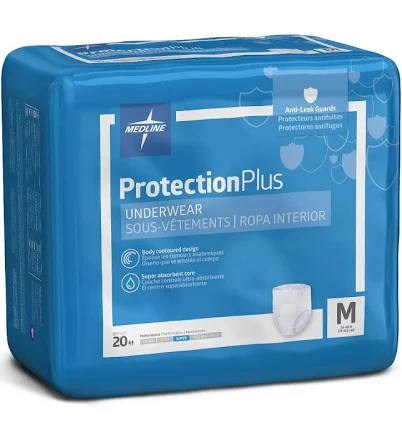
Protection Plus · Incontinence Pads & Protection
Protection Plus Superabsorbent Adult Underwear,Medium Bag of 20
Moderate concern. Waterproof backing likely contains PFAS. No brand disclosure.
Adult incontinence products typically use waterproof polymer coatings that often contain PFAS to repel moisture. This brand provides no public information about PFAS presence or absence in this product.
The better-graded swap
Lille
LILLE Suprem Form Maxi 2920ml
70/100 safety
Same rubric that flunked this product. The swap earned Good.
Still want this one anyway? Check the price on Amazon. We’d swap it.
Material
Absorbent core with synthetic polymer layers, waterproof backing
Brand disclosure
Brand is silent on PFAS
Lab data
No public lab test
What Protection Plus Superabsorbent Adult is made of, ingredients and materials
Protection Plus adult underwear uses a multilayer structure, an absorbent core (typically superabsorbent polymer SAP mixed with wood pulp or cellulose), synthetic polymer layers for fluid distribution, and a waterproof backing. The waterproof backing is the key concern because achieving water-resistance in thin flexible films typically requires fluorinated compounds (PFAS) or silicone-based coatings. These materials contact skin directly and repeatedly for extended periods, creating potential for dermal absorption of breakdown products or unreacted monomers over time.
What’s concerning
Category baseline
The starting point for this type of product, before anything specific to this product is counted.
No PFAS disclosure
No public statement from the brand about PFAS in this product.
Waterproof / stain-resistant treatment
Water-repellent coating treatments have historically used PFAS.
PFAS
Waterproof barrier in incontinence products typically requires fluorochemical coatings. Protection Plus does not disclose composition, making PFAS presence probable but unconfirmed. Direct skin contact over extended wear periods increases potential for dermal exposure.
Source, ATSDR ↗Absorbent core breakdown and microparticle release
Superabsorbent polymers (SAP) can degrade over time or with friction, potentially releasing microparticles. No published data exists on Protection Plus product integrity testing or polymer stability over shelf life or during use.
Synthetic polymer monomers or plasticizers
The synthetic polymer layers (likely polyethylene, polypropylene, or polyurethane) may contain residual monomers or processing aids. Prolonged skin contact could allow dermal uptake, though migration into healthy intact skin is generally low.
Skin sensitization or irritation from adhesives or coatings
Adhesive tapes and fastening systems in incontinence underwear can contain acrylics or other irritants. Some users report contact dermatitis; Protection Plus does not list adhesive composition or dermatological testing results.
Lack of material transparency and traceability
Consumer advocacy groups (e.g., Chem Fatale reports by CIIN) have flagged incontinence and period product manufacturers for refusing to disclose PFAS or heavy metals in absorbent cores. Protection Plus has not publicly addressed these concerns, limiting independent verification of safety.
The full breakdown
The brand's record and disclosure
Protection Plus does not publicly disclose material composition, manufacturing standards, or PFAS usage on product labels or website. No third-party certifications (such as Oeko-Tex Standard 100 or similar) are visible on marketing materials. The brand has not published statements on fluorochemical phase-out or substitution plans, which is standard transparency practice in the menstrual and incontinence product sector. This silence is notable given that competitors like Seventh Generation and some private labels have begun disclosing PFAS-free status.
How it compares in its category
Adult incontinence products as a category are under increasing scrutiny for PFAS in waterproof barriers. Products explicitly labeled PFAS-free or made with polyethylene-only backings exist but are less common in budget segments. Protection Plus sits in the mainstream commercial tier, where waterproof-backing technology often relies on older fluorochemical formulations. Organic and certified eco-alternatives (e.g., Pampers Swaddlers Overnights, some Depend variants) now offer transparency but at higher cost; Protection Plus' lack of disclosure makes direct comparison difficult.
If you buy it
Change product frequently (every 3-4 hours) to minimize skin contact duration and reduce cumulative exposure to potential PFAS leachates or degradation products. Do not heat or microwave packaging; store in a cool, dry place to prevent polymer breakdown. If skin irritation, redness, or rash develops, discontinue and consider products with published material safety data. Request detailed material composition from the manufacturer before repurchasing in bulk; this signals consumer demand for transparency and may prompt disclosure.
What we don’t know
- Basis
- Model estimate, 42% confidence, not a lab result
- Lab test
- None on record for this exact product
- Brand statement
- Protection Plus has made none
Formulations change between production runs, so check the current label. How we grade.
Better-graded alternatives in Incontinence Pads & Protection
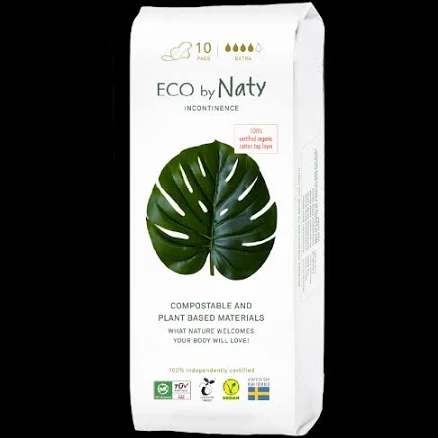
Eco By Naty
Incontinence Pads
- Bamboo-derived viscose, cotton, plant-based absorbent core
- We found no PFAS statement from the brand
- Heavy metals
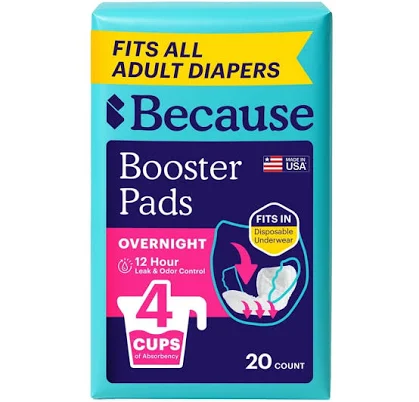
Because Market
Because Booster Pads
- Cellulose, superabsorbent polymer, cotton blend
- We found no PFAS statement from the brand
- Absorbent material degradation and bacterial growth
2 hazards checked on this product. See all of them.
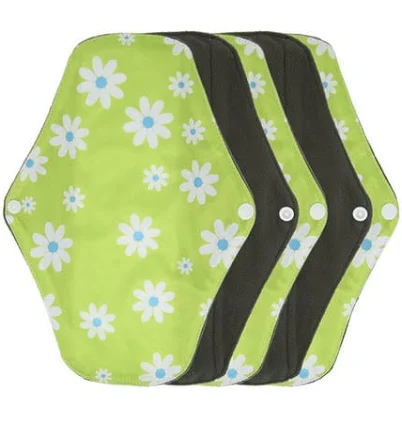
5pcs Bamboo Charcoal Washable Incontinence Pads
- bamboo charcoal textile, washable cotton-blend absorbent layer
- We found no PFAS statement from the brand
- Azo dyes and synthetic colorants
4 hazards checked on this product. See all of them.
More incontinence pads & protection grades
How we score, every product runs through the same public 0-100 rubric based on materials, coatings, brand disclosure, lab findings, and recalls. See the full methodology → Spotted a mistake? Report an error.