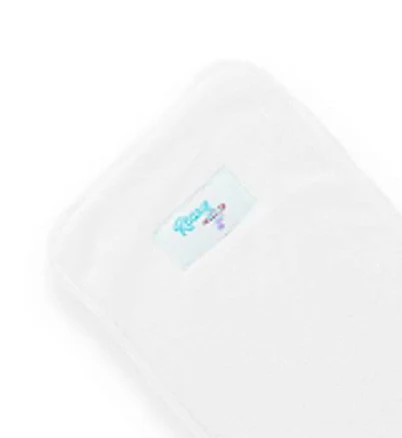
Rearz · Incontinence Pads & Protection
Rearz Bamboo Night Booster Pads 1 Booster Pad
Waterproof backing composition undisclosed, PFAS-based treatment common in category.
Rearz Bamboo boosters contain waterproof backing but material details remain unavailable from the company. Incontinence care frequently incorporates PFAS-based water-resistant finishes without public disclosure or independent verification.
The better-graded swap
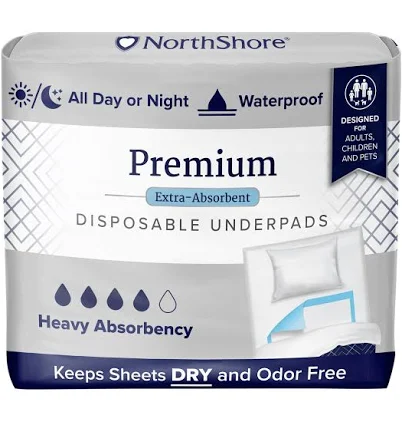
Northshore
NorthShore Premium 36
70/100 safety
Same rubric that flunked this product. The swap earned Good.
Still want this one anyway? Check the price on Amazon. We’d swap it.
Material
bamboo viscose with waterproof backing layer, composition unspecified
Brand disclosure
Brand is silent on PFAS
Lab data
No public lab test
What Rearz Bamboo Night Booster Pads 1 Booster is made of, ingredients and materials
Rearz Bamboo Night Booster is constructed from bamboo viscose (the absorbent layer) bonded to an unspecified waterproof backing. Bamboo viscose itself is generally regarded as low-toxicity once manufactured, though the viscose process uses sodium hydroxide and carbon disulfide as solvents, risks are primarily occupational, not consumer-facing in finished products. The waterproof backing layer is the material of concern, the brand provides no specification of its composition, and waterproof period pads typically rely on either polyurethane films or Teflon-family coating-based (PFAS) treatments to achieve water resistance. Without disclosure, the backing's chemical profile remains opaque.
What’s concerning
Category baseline
The starting point for this type of product, before anything specific to this product is counted.
No PFAS disclosure
No public statement from the brand about PFAS in this product.
Waterproof / stain-resistant treatment
Water-repellent coating treatments have historically used PFAS.
Waterproof backing composition (unknown)
Reartz does not disclose whether the waterproof layer uses PFAS-based treatments (most common in budget pads) or PFAS-free polyurethane. Without specification, assume risk of PFAS or other synthetic polymer skin contact; this is a material-level gap, not a confirmed hazard.
Skin irritation from synthetic backing
Unspecified synthetic waterproof backings can occasionally cause localized irritation, rashes, or contact dermatitis in sensitive individuals, especially during prolonged wear. Risk is low but not zero; brand silence on material hypoallergenic testing limits assurance.
Degradation of waterproof layer over time
Synthetic backings (polyurethane, Teflon-family coating) can degrade or crack with repeated washing, compression, or age. As backing integrity fails, absorbency and potential microparticle shedding or backing fragment contact becomes a secondary concern.
What’s reassuring
Viscose manufacturing residues
Bamboo viscose finished products do not typically retain sodium hydroxide or carbon disulfide; regulatory standards require removal. No evidence of residual solvent harm in this product category exists in consumer safety literature.
Formaldehyde / VOCs
Period pads are not typically associated with formaldehyde resin use; this hazard is more relevant to textile apparel. Adhesives in this product are not specified and carry minimal documented risk, but Reartz does not certify their absence.
Source, ATSDR ↗The full breakdown
The brand's record and disclosure
Reartz has not published materials safety documentation, certifications (such as OEKO-TEX or similar standards), or ingredient transparency on this product. The brand maintains public silence on PFAS use, waterproof treatment methodology, or chemical vetting. No major safety recalls or established health controversies are on record for this specific product line, but the absence of proactive disclosure is a red flag in a category where waterproofing chemistry directly contacts skin for extended periods.
How it compares in its category
Period pad boosters with unspecified waterproof backings are standard across budget and mid-market brands; this product is typical rather than exceptional. Premium or eco-focused competitors (Cora, Rael, some store brands) increasingly specify backing materials and test for or exclude PFAS. Reartz's silence places it in a lower-transparency tier, though the bamboo viscose choice (vs. bleached cotton) is a modest materials upgrade. The lack of third-party certification is a comparative weakness in a growing market segment that values chemical accountability.
If you buy it
Use as directed without concern for normal skin contact. Discontinue if you experience unexplained irritation, rashes, or odor issues, as these can signal degradation or unintended leeching of backing chemicals. Store in a dry place; do not expose to high heat or direct sun for extended periods, as synthetic backing layers can degrade over time. If reproductive or hormonal concerns arise, document timeline against pad use and consult your healthcare provider; period pads are not primary suspected culprits in such cases, but chemical exposure patterns are still being studied.
What we don’t know
- Basis
- Model estimate, 45% confidence, not a lab result
- Lab test
- None on record for this exact product
- Brand statement
- Rearz has made none
Formulations change between production runs, so check the current label. How we grade.
Better-graded alternatives in Incontinence Pads & Protection
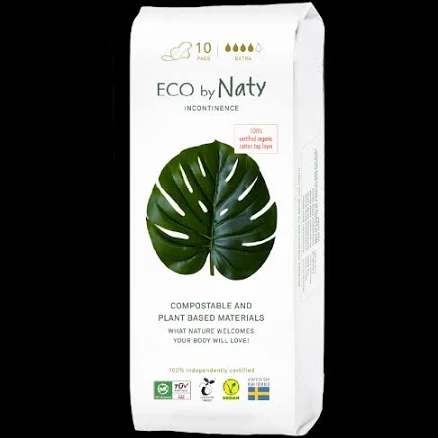
Eco By Naty
Incontinence Pads
- Bamboo-derived viscose, cotton, plant-based absorbent core
- We found no PFAS statement from the brand
- Heavy metals
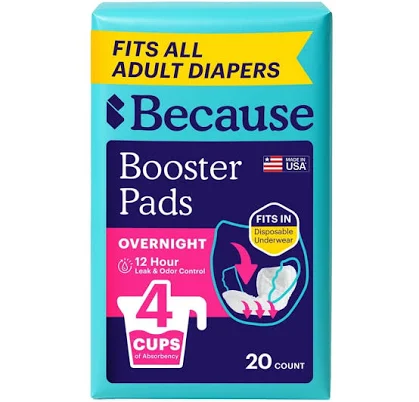
Because Market
Because Booster Pads
- Cellulose, superabsorbent polymer, cotton blend
- We found no PFAS statement from the brand
- Absorbent material degradation and bacterial growth
2 hazards checked on this product. See all of them.
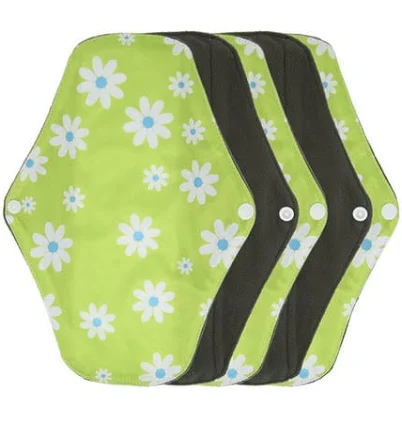
5pcs Bamboo Charcoal Washable Incontinence Pads
- bamboo charcoal textile, washable cotton-blend absorbent layer
- We found no PFAS statement from the brand
- Azo dyes and synthetic colorants
4 hazards checked on this product. See all of them.
More incontinence pads & protection grades
How we score, every product runs through the same public 0-100 rubric based on materials, coatings, brand disclosure, lab findings, and recalls. See the full methodology → Spotted a mistake? Report an error.