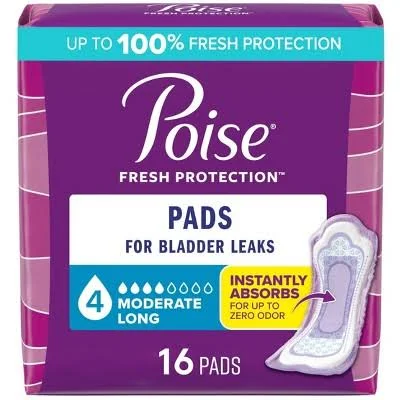
Poise · Incontinence Pads & Protection
Poise Absorbency Pads
Skip until Renfrew clarifies waterproofing chemistry.
Poise pads require water-resistant backsheets, a category historically prone to PFAS-based treatments. Renfrew makes no public disclosure of PFAS-free materials or third-party testing.
The better-graded swap
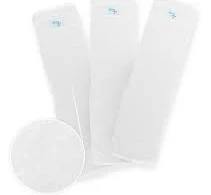
Adult Bamboo Booster Pads
70/100 safety
Same rubric that flunked this product. The swap earned Good.
Still want this one anyway? Check the price on Amazon. We’d swap it.
Material
Cellulose/wood pulp core with synthetic polymer waterproof backsheet
Brand disclosure
Brand is silent on PFAS
Lab data
No public lab test
What Poise Absorbency Pads is made of, ingredients and materials
Poise pads use a cellulose/wood pulp absorbent core, which is a conventional and generally non-toxic material in incontinence products. The synthetic polymer waterproof backsheet (typically polyethylene or polypropylene-based) serves to prevent leakage but is the component where PFAS (PFAS "forever chemicals") are commonly applied as water and oil repellents. Renfrew has not publicly disclosed the specific chemistry of this backsheet, leaving the PFAS content status opaque.
What’s concerning
Category baseline
The starting point for this type of product, before anything specific to this product is counted.
No PFAS disclosure
No public statement from the brand about PFAS in this product.
Waterproof / stain-resistant treatment
Water-repellent coating treatments have historically used PFAS.
PFAS
Synthetic polymer waterproof layers in incontinence pads commonly use fluorinated compounds; Renfrew's silence on this is the primary safety concern. No independent testing of this specific product is on record.
Source, ATSDR ↗Polymer additives and skin sensitization
Synthetic backsheets may contain plasticizers, stabilizers, or antimicrobial additives not fully disclosed. Incontinence pad users with compromised or sensitive skin are at higher risk; cellulose core itself is low-risk.
What’s reassuring
Degradation of backsheet integrity over time
No specific defects or premature degradation reported for this product. Standard wear and breakdown of polymer backsheets is expected with normal use and storage; heat or UV exposure accelerates this.
Microplastic shedding from synthetic components
Incontinence pads are not heated during use and microplastic release is not a documented concern in this product category. Physical wear may shed synthetic fibers, but internal exposure is minimal.
Allergenic dyes or colorants
Poise pads use minimal visible dyes. No azo dye or colorant safety issues are documented for Renfrew incontinence products; cellulose core does not require dye fixation.
The full breakdown
The brand's record and disclosure
Renfrew is a smaller regional brand with limited publicly available safety documentation or third-party certifications (e.g., dermatologist testing, hypoallergenic claims). The brand maintains a notably silent stance on PFAS use, fluorochemical sourcing, and environmental impact, which is a red flag in an industry where major competitors (Kimberly-Clark, Procter & Gamble) have begun publishing PFAS reduction commitments. No major product recalls or chemical controversies have been publicly documented for this specific product line.
How it compares in its category
Incontinence pad category leaders (Always Discreet, Depends, Tena) have similarly structured cellulose cores and synthetic backsheets, but many now carry dermatology certifications or public statements addressing PFAS reduction. Poise Absorbency Pads sit in the mid-market price tier with standard construction; they offer no documented advantage in chemical transparency or safety verification compared to larger competitors. The lack of disclosure from Renfrew is notably weaker than industry practice at the brand level.
If you buy it
Store pads in a cool, dry place away from heat and direct sunlight to preserve backsheet integrity and prevent any potential accelerated degradation of polymer coatings. Do not compost or incinerate pads due to the synthetic backsheet; dispose in regular waste. Replace pads promptly after use to minimize skin contact time and reduce infection or irritation risk. If skin irritation, rash, or sensitivity develops, discontinue use and consult a healthcare provider, as cellulose sensitivity is rare but polymer additives can trigger reactions in some users.
What we don’t know
- Basis
- Model estimate, 45% confidence, not a lab result
- Lab test
- None on record for this exact product
- Brand statement
- Poise has made none
Formulations change between production runs, so check the current label. How we grade.
Better-graded alternatives in Incontinence Pads & Protection
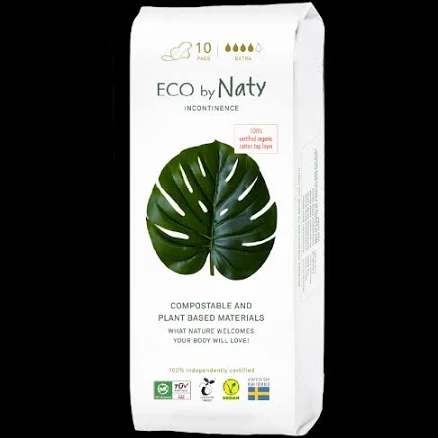
Eco By Naty
Incontinence Pads
- Bamboo-derived viscose, cotton, plant-based absorbent core
- We found no PFAS statement from the brand
- Heavy metals
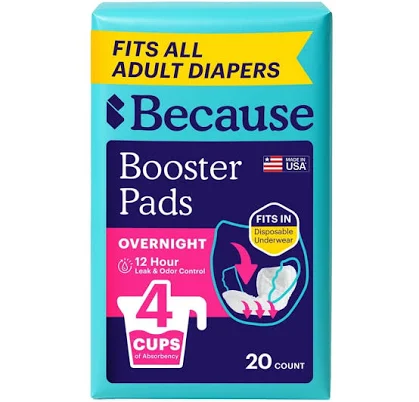
Because Market
Because Booster Pads
- Cellulose, superabsorbent polymer, cotton blend
- We found no PFAS statement from the brand
- Absorbent material degradation and bacterial growth
2 hazards checked on this product. See all of them.
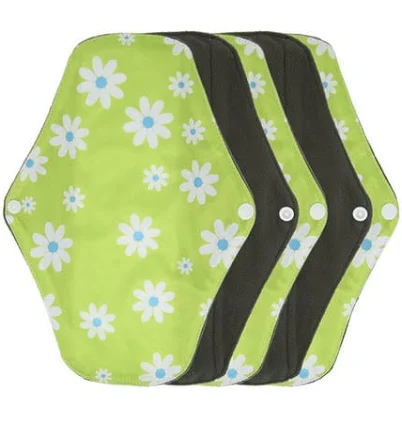
5pcs Bamboo Charcoal Washable Incontinence Pads
- bamboo charcoal textile, washable cotton-blend absorbent layer
- We found no PFAS statement from the brand
- Azo dyes and synthetic colorants
4 hazards checked on this product. See all of them.
More incontinence pads & protection grades
How we score, every product runs through the same public 0-100 rubric based on materials, coatings, brand disclosure, lab findings, and recalls. See the full methodology → Spotted a mistake? Report an error.