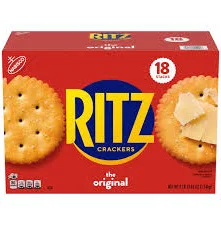
Ritz Crackers Original
Standard food packaging; grease resistance raises concern without disclosure.
Ritz Original uses grease-resistant paperboard packaging likely treated with fluorinated compounds. No PFAS statements or certifications from the manufacturer exist.
The better-graded swap
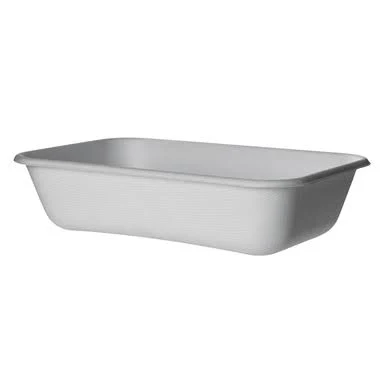
Eco-Products
Eco Products WorldView Compostable Take-Out Containers EP-SCRC32
100/100 safety
Same rubric that flunked this product. The swap earned Excellent.
Still want this one anyway? Check the price on Amazon. We’d swap it.
Material
paperboard box with grease-resistant coating
Brand disclosure
Brand is silent on PFAS
Lab data
No public lab test
You may also be interested in
Top-graded picks in the categories readers replace first, every one scored on the same rubric.

- polypropylene filter housing, carbon/sediment cartridge
- We found no PFAS statement from the brand
- Bacterial growth in spent cartridges
3 hazards checked on this product, all on its full breakdown.

Aquasure
Premier Series 75 GPD Under Sink Reverse Osmosis Water Filtration System
- RO membrane, carbon filters, stainless steel housing
- We found no PFAS statement from the brand
- Bacterial and microbial growth in housing and filters
4 hazards checked on this product, all on its full breakdown.

Avocado
Vegan Mattress
- organic cotton, natural latex, coconut coir, recycled steel coils
- The brand calls it PFAS-free, which we have not verified
- Heavy metals
2 hazards checked on this product, all on its full breakdown.
What Ritz Crackers Original is made of, ingredients and materials
Ritz Original crackers come in a paperboard box with a grease-resistant interior coating, typically a Teflon-family coating or wax-based barrier designed to prevent oil from the crackers seeping through. The crackers themselves are a flour-based snack fried in vegetable oil. The coating is not in direct contact with the food for extended time; it acts as a barrier between product and cardboard. However, any PFAS-based grease-resistant coating raises questions about migration into the product or environment after disposal.
What’s concerning
Category baseline
The starting point for this type of product, before anything specific to this product is counted.
No PFAS disclosure
No public statement from the brand about PFAS in this product.
Waterproof / stain-resistant treatment
Water-repellent coating treatments have historically used PFAS.
PFAS
Paperboard box interior likely uses Teflon-family coating-based water and oil repellent. No brand disclosure on coating type or PFAS presence. Migration risk is low for dry crackers in short-term storage but cumulative exposure remains unquantified.
Source, ATSDR ↗What’s reassuring
BPA & bisphenols
No documented cases of BPA/BPS contamination from Ritz packaging. Modern food-grade adhesives typically avoid these compounds, but ingredient transparency from Mondelez is limited.
Source, FDA ↗Mineral oil or soy ink migration from printing
Box printing ink is typically on the exterior and poses no direct contact risk to crackers. Food-grade inks are standard in the industry; no specific safety alerts on record for Ritz.
Microplastics
Paperboard coating is unlikely to shed microplastics into the product under normal storage. Degradation would be visible (visible cracks, flaking) before meaningful contamination occurs.
Source, EPA ↗Allergen cross-contact from shared packaging facility
Not a packaging hazard but a manufacturing control issue. Mondelez facilities handle multiple allergens; check the label for facility warnings if you have severe allergies.
How is this PFAS grade calculated?
The brand's record and disclosure
Mondelez International (Ritz's parent company) has not publicly disclosed PFAS use in food packaging or committed to phase-out timelines, placing it behind competitors like Unilever on transparency. No recalls or formal safety complaints specific to Ritz packaging have been documented in FDA or CPSC databases. The company has made general commitments to sustainable packaging but has not addressed PFAS specifically in investor or consumer communications.
How it compares in its category
Ritz uses standard industry-typical grease-resistant coating found in most mainstream cracker and snack boxes. Organic or premium brands (e.g., Simple Mills, Mary's Gone Crackers) sometimes use uncoated or wax-only packaging, reducing PFAS exposure. Budget competitors (store brands) typically use identical coating systems. Few snack boxes in mass retail have lower concern for PFAS; this is not a differentiator.
If you buy it
Store in a cool, dry place; the coating does not degrade significantly under normal pantry conditions. Do not microwave the crackers in the box. Recycle the box in standard cardboard streams, though note that PFAS may not be fully removed in municipal recycling. If PFAS exposure is a primary concern, consider alternatives like uncoated bulk snacks or brands with explicit PFAS-free packaging claims.
What is not known about PFAS in this product?
- Basis
- Model estimate, 45% confidence, not a lab result
- Lab test
- None on record for this exact product
- Brand statement
- Ritz has made none
Formulations change between production runs, so check the current label. How we grade.
What are the PFAS-free alternatives to Ritz Crackers Original?
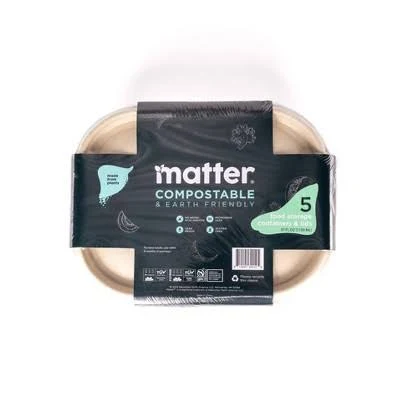
- Plant-based fiber pulp (compostable)
- A third party reports verifying it as PFAS-free
- Microbe/mold growth if stored damp
2 hazards checked on this product, all on its full breakdown.
Eco-Products
Eco Products WorldView Compostable Take-Out Containers EP-SCRC32
- Plant-based fiber (compostable sugarcane bagasse)
- A third party reports verifying it as PFAS-free
- Bleaching agents and processing residues
3 hazards checked on this product, all on its full breakdown.
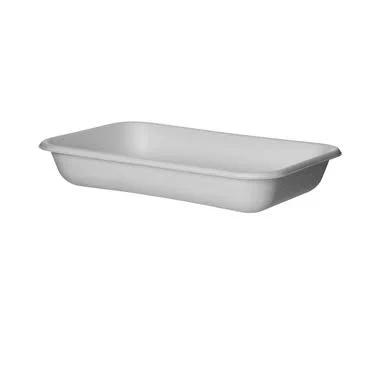
Eco-Products
WorldView Sugarcane Take-Out Containers
- Sugarcane bagasse (post-consumer fiber)
- A third party reports verifying it as PFAS-free
- Cellulose fiber degradation and food contact
2 hazards checked on this product, all on its full breakdown.
More food packaging grades
How we score, every product runs through the same public 0-100 rubric based on materials, coatings, brand disclosure, lab findings, and recalls. See the full methodology → Spotted a mistake? Report an error.