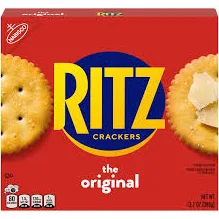
Ritz Original Crackers
Standard food packaging with likely PFAS; manufacturer provides no disclosure.
Ritz Original comes in standard grease-resistant paperboard packaging typical of cracker boxes. The manufacturer does not disclose whether PFAS coatings were used.
The better-graded swap
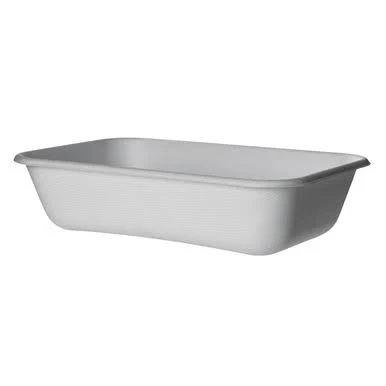
Eco-Products
Eco Products WorldView Compostable Take-Out Containers EP-SCRC32
100/100 safety
Same rubric that flunked this product. The swap earned Excellent.
Still want this one anyway? Check the price on Amazon. We’d swap it.
Material
paperboard packaging with probable grease-resistant coating
Brand disclosure
Brand is silent on PFAS
Lab data
No public lab test
You may also be interested in
Top-graded picks in the categories readers replace first, every one scored on the same rubric.

- polypropylene filter housing, carbon/sediment cartridge
- We found no PFAS statement from the brand
- Bacterial growth in spent cartridges
3 hazards checked on this product, all on its full breakdown.

Aquasure
Premier Series 75 GPD Under Sink Reverse Osmosis Water Filtration System
- RO membrane, carbon filters, stainless steel housing
- We found no PFAS statement from the brand
- Bacterial and microbial growth in housing and filters
4 hazards checked on this product, all on its full breakdown.

Avocado
Vegan Mattress
- organic cotton, natural latex, coconut coir, recycled steel coils
- The brand calls it PFAS-free, which we have not verified
- Heavy metals
2 hazards checked on this product, all on its full breakdown.
What Ritz Original Crackers is made of, ingredients and materials
Ritz Original Crackers arrive in paperboard packaging with a grease-resistant interior coating to prevent oil from the crackers degrading the box. This coating is almost certainly a fluorinated compound (PFAS family) applied during manufacturing, though Ritz/Mondelez does not publicly disclose the specific chemical. The crackers themselves are a wheat flour, vegetable oil, and salt base with no documented hazardous additives in the product formulation.
What’s concerning
Category baseline
The starting point for this type of product, before anything specific to this product is counted.
No PFAS disclosure
No public statement from the brand about PFAS in this product.
Waterproof / stain-resistant treatment
Water-repellent coating treatments have historically used PFAS.
PFAS
Standard for paperboard food packaging in this product category. Mondelez does not disclose which PFAS compound is used, but fluorinated coatings are industry norm for oil-barrier protection in snack packaging.
Source, ATSDR ↗Mineral oil or other coating transfer to product
Ritz crackers are pre-coated with vegetable oil, so additional mineral oil transfer from packaging is unlikely to significantly alter product composition. However, the grease-resistant coating itself (PFAS) can migrate into oily foods at low levels over time.
What’s reassuring
Microplastics
No documented cases of visible coating flaking in Ritz packaging or recall history for particulates. Paperboard coating degradation is minimal under normal storage; risk increases only if packaging is visibly damaged or stored in extreme heat.
Source, EPA ↗BPA & bisphenols
Mondelez has not disclosed epoxy-based inks or adhesives in Ritz packaging. Contemporary paperboard food packaging typically avoids BPA, but no independent testing of Ritz packaging has been publicly released to confirm absence.
Source, FDA ↗Heavy metals
FDA regulations restrict lead and cadmium in printing inks on food-contact surfaces. No recalls or contamination reports specific to Ritz crackers or Mondelez paperboard packaging exist in public records.
Source, FDA ↗How is this PFAS grade calculated?
The brand's record and disclosure
Mondelez International (Ritz owner) has not publicly committed to PFAS phase-out in food packaging, nor does it disclose PFAS use on product labels or sustainability reports. The company has faced no major recalls or documented chemical safety controversies specific to Ritz crackers. Mondelez maintains basic food safety certifications (FDA compliance) but remains silent on fluorinated coatings, which is standard industry practice for snack manufacturers.
How it compares in its category
Ritz crackers are packaged identically to most mass-market salty snacks (Doritos, Lay's, similar competitors), all of which rely on grease-resistant coatings that typically contain PFAS. No major competitor in this segment has switched to packaging with lower PFAS concern. Unpackaged bulk crackers or those in uncoated paper eliminate coating exposure but are rare in retail and risk staleness. On coating hazard parity, Ritz is neither better nor worse than its direct peers.
If you buy it
Store the crackers in an airtight container once opened to preserve freshness and reduce packaging contact duration. Do not microwave or heat crackers inside the original packaging, as PFAS migration risk increases with temperature. The primary exposure route is indirect ingestion via oil transfer from coating to crackers; this is unavoidable with current packaging. Monitor expiration dates and replace packaging after 2-3 months of storage to limit extended grease-coating contact.
What is not known about PFAS in this product?
- Basis
- Model estimate, 45% confidence, not a lab result
- Lab test
- None on record for this exact product
- Brand statement
- Ritz has made none
Formulations change between production runs, so check the current label. How we grade.
What are the PFAS-free alternatives to Ritz Original Crackers?
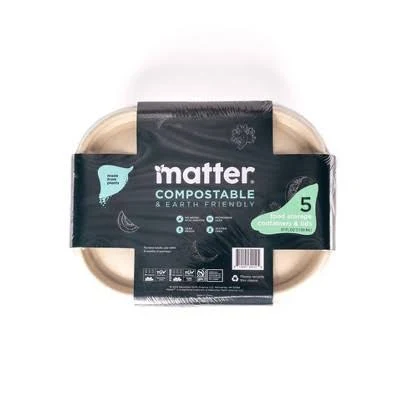
- Plant-based fiber pulp (compostable)
- A third party reports verifying it as PFAS-free
- Microbe/mold growth if stored damp
2 hazards checked on this product, all on its full breakdown.
Eco-Products
Eco Products WorldView Compostable Take-Out Containers EP-SCRC32
- Plant-based fiber (compostable sugarcane bagasse)
- A third party reports verifying it as PFAS-free
- Bleaching agents and processing residues
3 hazards checked on this product, all on its full breakdown.
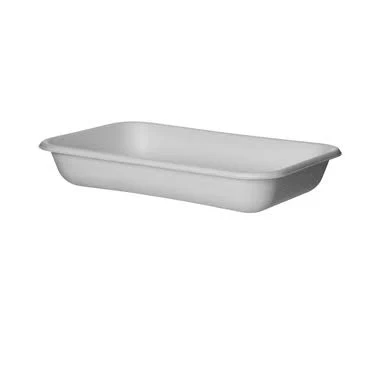
Eco-Products
WorldView Sugarcane Take-Out Containers
- Sugarcane bagasse (post-consumer fiber)
- A third party reports verifying it as PFAS-free
- Cellulose fiber degradation and food contact
2 hazards checked on this product, all on its full breakdown.
More food packaging grades
How we score, every product runs through the same public 0-100 rubric based on materials, coatings, brand disclosure, lab findings, and recalls. See the full methodology → Spotted a mistake? Report an error.