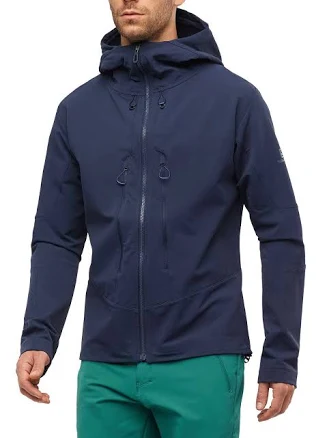
Men's Salomon Outpeak Softshell Hooded Jacket
Avoid until Salomon reveals water-repellent coating chemistry or certifies PFAS-free.
The polyester/nylon blend includes a water-repellent finish typical of outdoor jackets, but Salomon provides no transparency on water-repellent coating chemistry or PFAS status. Most legacy softshell coatings rely on fluorocarbon treatments.
Still want this one anyway? Check the price on Amazon. We’d swap it.
Material
Polyester/nylon blend with water-repellent coating (water-repellent coating) coating
Lab data
No public lab test
You may also be interested in
Top-graded picks in the categories readers replace first, every one scored on the same rubric.

- polypropylene filter housing, carbon/sediment cartridge
- We found no PFAS statement from the brand
- Bacterial growth in spent cartridges
3 hazards checked on this product, all on its full breakdown.

Aquasure
Premier Series 75 GPD Under Sink Reverse Osmosis Water Filtration System
- RO membrane, carbon filters, stainless steel housing
- We found no PFAS statement from the brand
- Bacterial and microbial growth in housing and filters
4 hazards checked on this product, all on its full breakdown.

Avocado
Vegan Mattress
- organic cotton, natural latex, coconut coir, recycled steel coils
- The brand calls it PFAS-free, which we have not verified
- Heavy metals
2 hazards checked on this product, all on its full breakdown.
What Men's Salomon Outpeak Hooded Jacket is made of, ingredients and materials
The Outpeak combines polyester (primary face fabric) with nylon (likely in stretch panels or lining) and applies a water-repellent coating (water-repellent coating) finish to shed water without being fully waterproof. This construction balances breathability and weather resistance, but the water-repellent coating chemistry is the critical unknown, legacy fluorinated coatings (Teflon-type coating-based or similar) can persist in the environment and body; non-fluorinated alternatives exist but are rarely disclosed. Polyester itself does not inherently leach hazardous substances at body temperature, but the applied treatments are the primary concern.
What’s concerning
Category baseline
The starting point for this type of product, before anything specific to this product is counted.
No PFAS disclosure
No public statement from the brand about PFAS in this product.
Waterproof / stain-resistant treatment
Water-repellent coating treatments have historically used PFAS.
Formaldehyde / VOCs
Polyester-nylon blends sometimes include formaldehyde-releasing agents to maintain shape; Salomon does not list these additives publicly. Off-gassing diminishes with washing and airing, but initial exposure in new clothing is common in this category.
Source, ATSDR ↗Microplastic shedding from synthetic fibers
Polyester and nylon jackets shed synthetic fibers during laundering. This is inherent to the material class and not specific to Salomon, but wear and tear will increase shedding over the jacket's lifetime, especially with frequent washing or pilling.
VOC off-gassing from adhesives or laminate layers
If the jacket uses bonded lining or membrane layers, polyurethane or solvent-based adhesives may release volatile organic compounds initially. This typically dissipates within hours to days of exposure to air and is not expected to cause acute harm, but sensitivity varies individually.
water-repellent coating degradation and unknown residual chemistry
Fluorinated water-repellent coating coatings are known to degrade into perfluorinated compounds (PFAS precursors) during laundry and wear. Without disclosure, the baseline chemistry and persistence profile of this jacket's coating cannot be assessed; any softshell with undisclosed water-repellent coating carries this risk.
What’s reassuring
Heavy metals
No recalls or documented contamination for Salomon softshells. Modern polyester dyeing standards in Salomon's supply chain (primarily Asian facilities) are governed by OEKO-TEX or similar frameworks, though independent verification is not transparently available.
Source, FDA ↗How is this PFAS grade calculated?
The brand's record and disclosure
Salomon (owned by Amer Sports) has not published publicly available ingredient lists or water-repellent coating certifications for this product line. The brand does not advertise PFAS-free or fluorine-free claims for softshell jackets, and independent testing of their outerwear is not widely documented in peer-reviewed or third-party safety reports. This silence is the defining issue, transparency leaders in this category (Patagonia, Arc'teryx limited lines) disclose water-repellent coating chemistry; Salomon's absence of disclosure suggests either legacy fluorinated systems or reluctance to commit to alternatives.
How it compares in its category
Mid-range softshell jackets from Salomon typically prioritize durability and cost over transparency. Competitors like Arc'teryx Gamma LT disclose Teflon-type coating use but are more expensive and acknowledge the trade-off; Patagonia's Stretch Rainshadow Jacket explicitly states non-fluorinated water-repellent coating and commands premium pricing. Salomon's pricing and silence align it with mass-market options (The North Face, Columbia) where water-repellent coating chemistry remains largely opaque to consumers. This places it in a category where informed choice is difficult without direct contact with the manufacturer.
If you buy it
Launder sparingly using cool water and mild detergent; avoid heavy bleach or fabric softeners, which degrade water-repellent coating and may mobilize residual coating chemicals. Do not machine dry at high heat; air dry or low heat only. water-repellent coating effectiveness diminishes after 10-20 washes, at which point you can reapply commercial water-repellent coating treatments (also variable in chemistry) or retire the jacket. Contact Salomon directly to request water-repellent coating ingredient disclosure before purchase; documented consumer demand may accelerate transparency.
What is not known about PFAS in this product?
- Basis
- Model estimate, 35% confidence, not a lab result
- Lab test
- None on record for this exact product
- Brand statement
- Salomon has made a specific claim
Formulations change between production runs, so check the current label. How we grade.
What are the PFAS-free alternatives to Men's Salomon Outpeak Softshell Hooded Jacket?
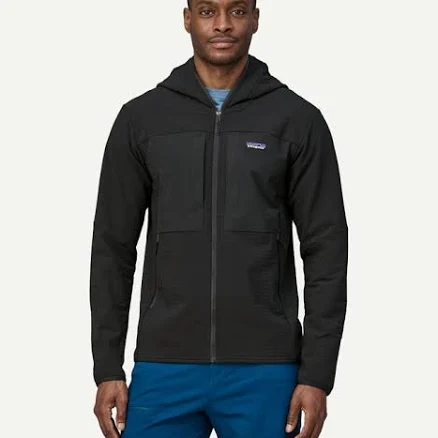
- Polyester shell with water-repellent coating treatment
- The brand calls it PFAS-free, which we have not verified
- PFAS
3 hazards checked on this product, all on its full breakdown.
Find an alternative on Amazon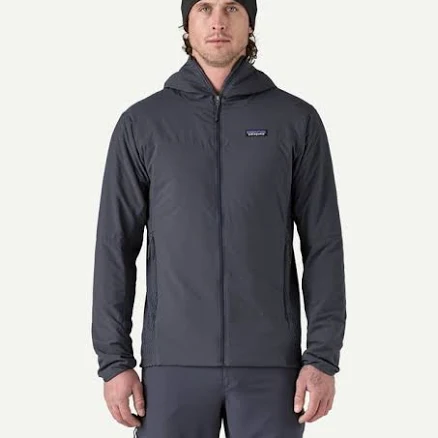
- Polyester ripstop with water-repellent coating finish (nylon stretch side)
- The brand calls it PFAS-free, which we have not verified
- water-repellent coating chemistry (unidentified)
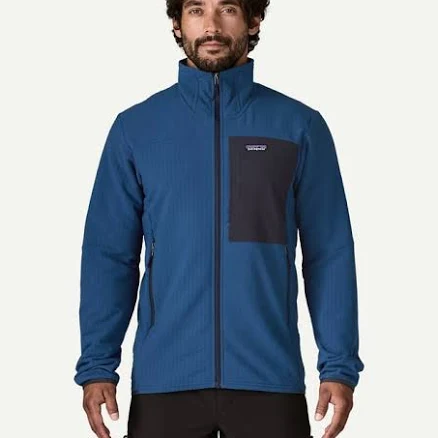
- Polyester with water-repellent coating (water-repellent coating) treatment
- The brand calls it PFAS-free, which we have not verified
- water-repellent coating chemistry, unspecified fluorocarbon alternative
3 hazards checked on this product, all on its full breakdown.
Find an alternative on AmazonMore softshell jackets grades
How we score, every product runs through the same public 0-100 rubric based on materials, coatings, brand disclosure, lab findings, and recalls. See the full methodology → Spotted a mistake? Report an error.